2026 Nobel Prize Honors Light-Based Control of Brain Cells
Scientists received the 2026 Nobel Prize for developing a method that uses light to activate or inhibit brain cells, a technique inspired by light-sensitive proteins found in algae. This breakthrough is advancing research into memory, vision restoration, and brain disorder treatments.
Paste the copied caption into your Instagram post. Caption links are not clickable; add the article URL to a Story link sticker or your profile link.
Open InstagramFor information, not personal medical advice. Discuss treatment decisions with a qualified clinician.
Key takeaways
- The 2026 Nobel Prize in physiology or medicine was awarded for a discovery enabling control of brain cells using light-sensitive proteins derived from algae.
- The technique uses gene insertion to make neurons responsive to light, allowing precise activation or inhibition in animal studies.
- While promising for understanding brain functions and potential therapies, its application in humans is limited by current genetic modification requirements and uncertain long-term safety.
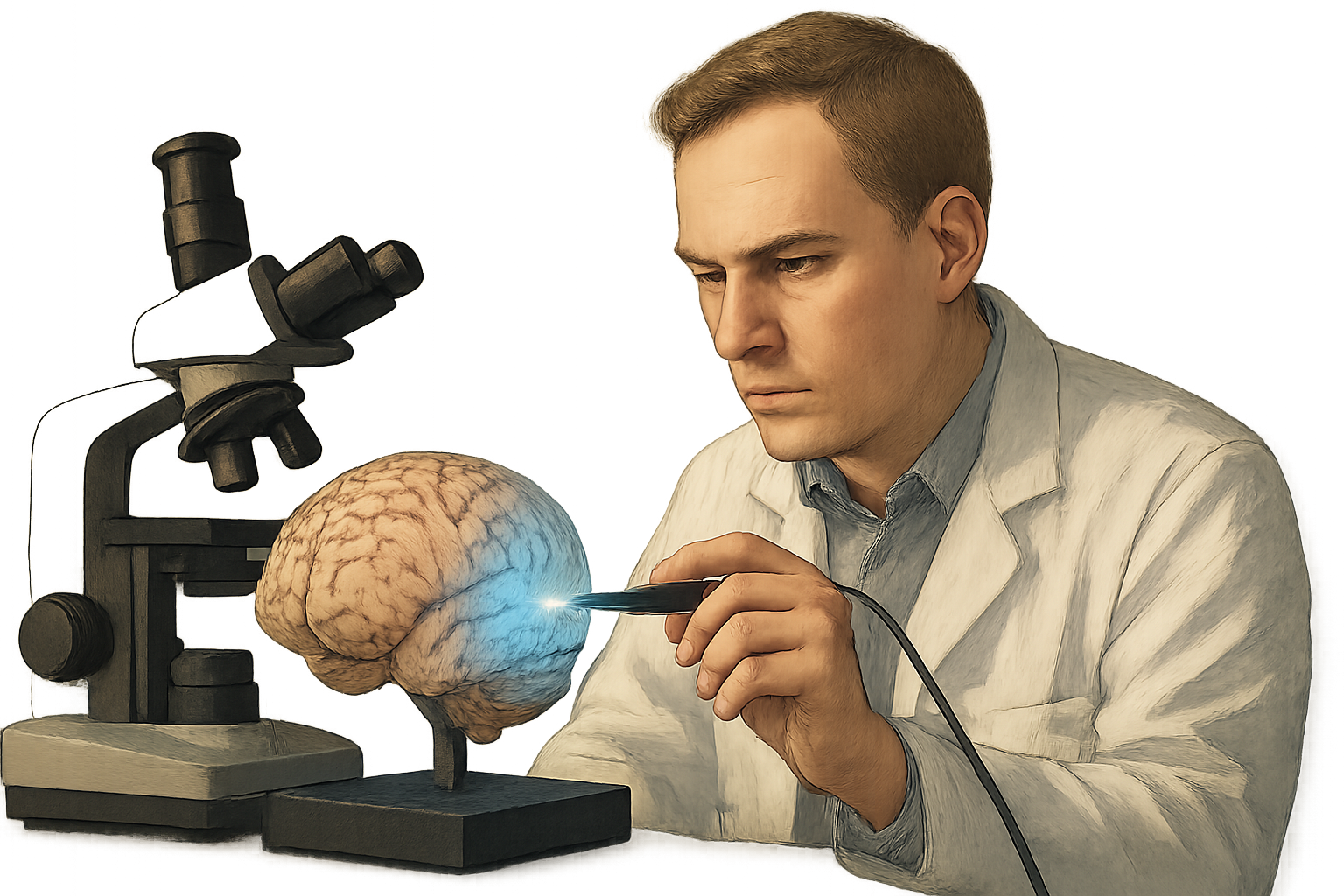
In 2026, the Nobel Prize in physiology or medicine was awarded for a scientific discovery that allows researchers to control brain cells using light. This technique originated from studying tiny algae, which contain light-sensitive proteins that react to specific wavelengths of light.
How the Technique Works
The method involves inserting genes that code for these light-sensitive proteins into neurons, the brain's nerve cells. When exposed to particular colors of light, these proteins can either activate or inhibit the neurons. This precise control enables scientists to switch brain cells on or off as needed.
Laboratory and Research Evidence
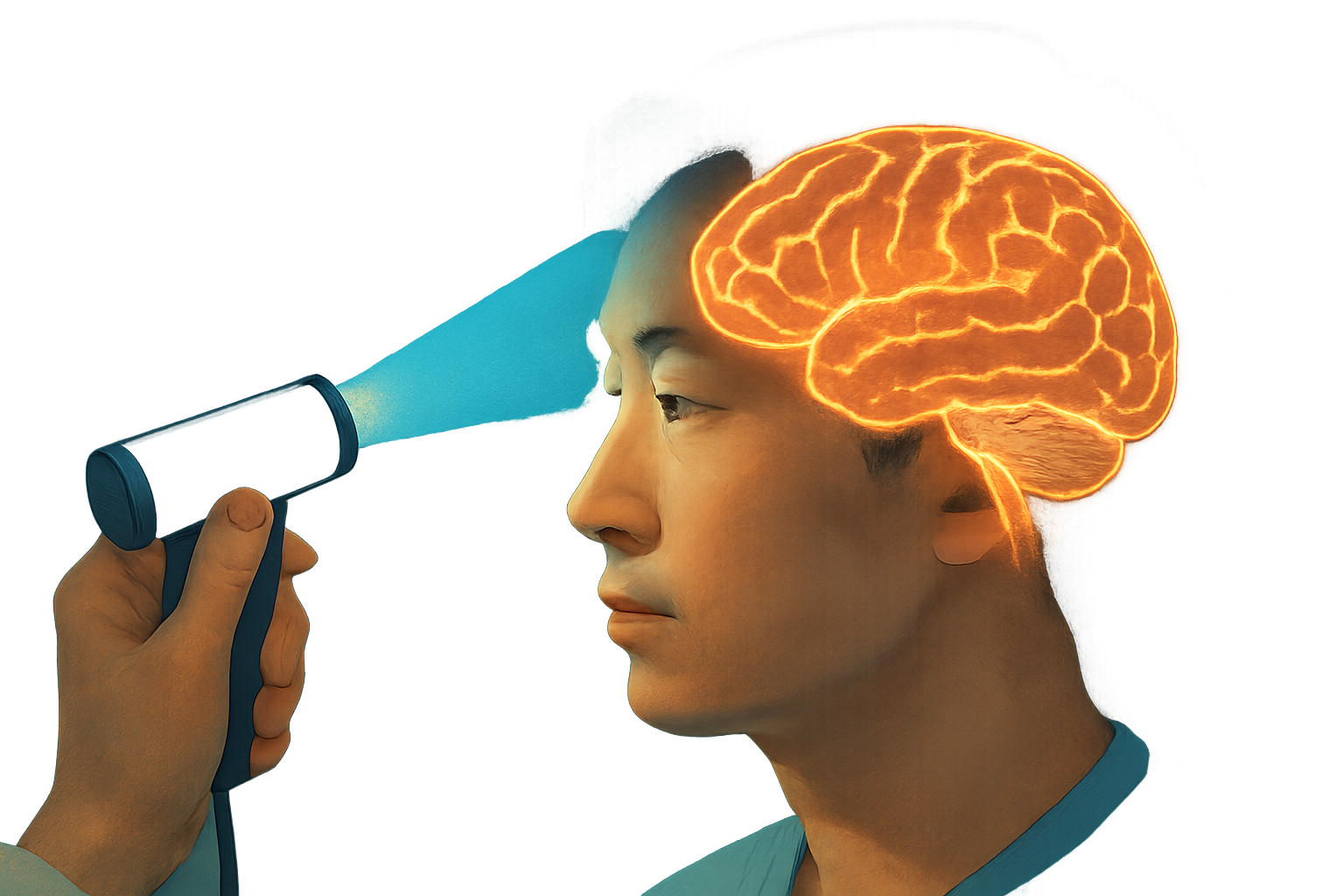
Originally demonstrated in laboratory settings, this approach has been used to influence brain activity in animal models. Early research has successfully activated memories and modulated neural circuits that are implicated in vision and brain disorders.
Limitations and Uncertainties
While these advances are promising, much of the evidence comes from animal studies or controlled laboratory experiments. The technique requires genetic modification of neurons, which currently limits its direct application in human patients. Additionally, the long-term safety and efficacy of using light to control brain cells in clinical settings remain uncertain.
Potential Implications
The ability to control neurons with light opens new avenues for understanding brain functions and could eventually inspire novel treatments for conditions such as memory loss, blindness, and neurological disorders. However, further research and development are needed before this method can translate into widely available therapies for humans.
Source: ScienceDaily Medical
Paste the copied caption into your Instagram post. Caption links are not clickable; add the article URL to a Story link sticker or your profile link.
Open Instagram