A 194-Year-Old Giant Tortoise Offers Clues to Longevity, But Research Is Early
Researchers studying Jonathan, a giant tortoise aged 194 years, have identified genetic factors potentially linked to extreme longevity. The work is at an early stage, and its relevance to human aging remains uncertain.
Paste the copied caption into your Instagram post. Caption links are not clickable; add the article URL to a Story link sticker or your profile link.
Open InstagramFor information, not personal medical advice. Discuss treatment decisions with a qualified clinician.
Key takeaways
- Researchers studied Jonathan, a 194-year-old giant tortoise, to investigate genetic factors contributing to extreme longevity.
- Findings from Jonathan's genomic analysis may shed light on biological pathways linked to long life, but the results are preliminary and based on a single animal.
- Current evidence shows correlations between genes and longevity in tortoises but does not establish causation or direct relevance to human aging.
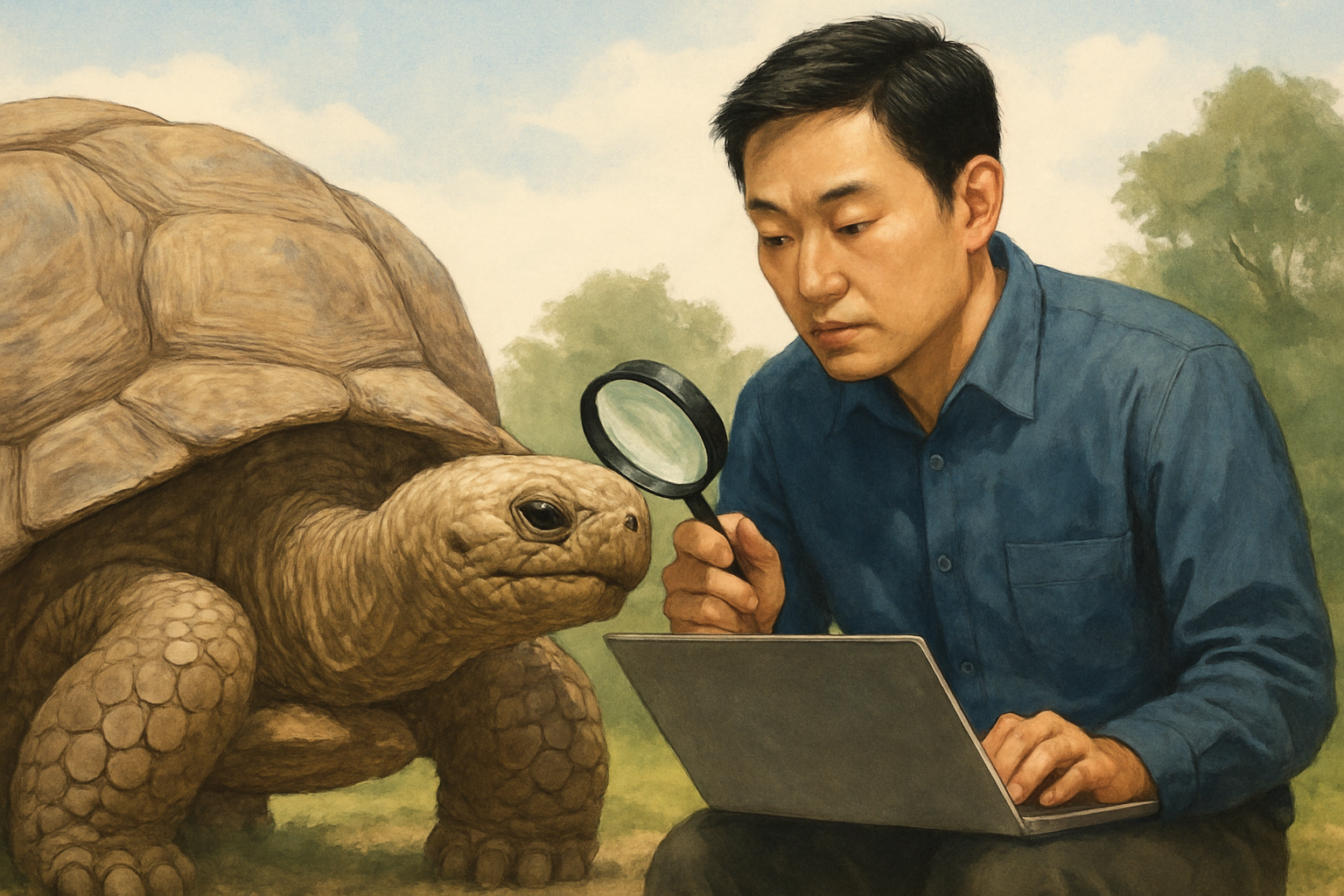
An international research team including neurologists and genomics experts at Vanderbilt Health has focused on Jonathan, a giant tortoise known to be 194 years old, to explore what might contribute to a long, healthy life. By studying Jonathan's genetics, researchers aim to understand factors behind extreme longevity.
What the Researchers Found
The team used advanced genomic tools to analyze Jonathan's DNA. While the research details are still unfolding, aspects of his genetic makeup may provide insights into how some organisms live exceptionally long lives with fewer age-related diseases.
Types of Evidence and Its Limits
This work centers on genetic information from a single tortoise. Laboratory and animal studies like this help identify biological pathways but do not directly prove these mechanisms apply to humans or how they influence lifespan.
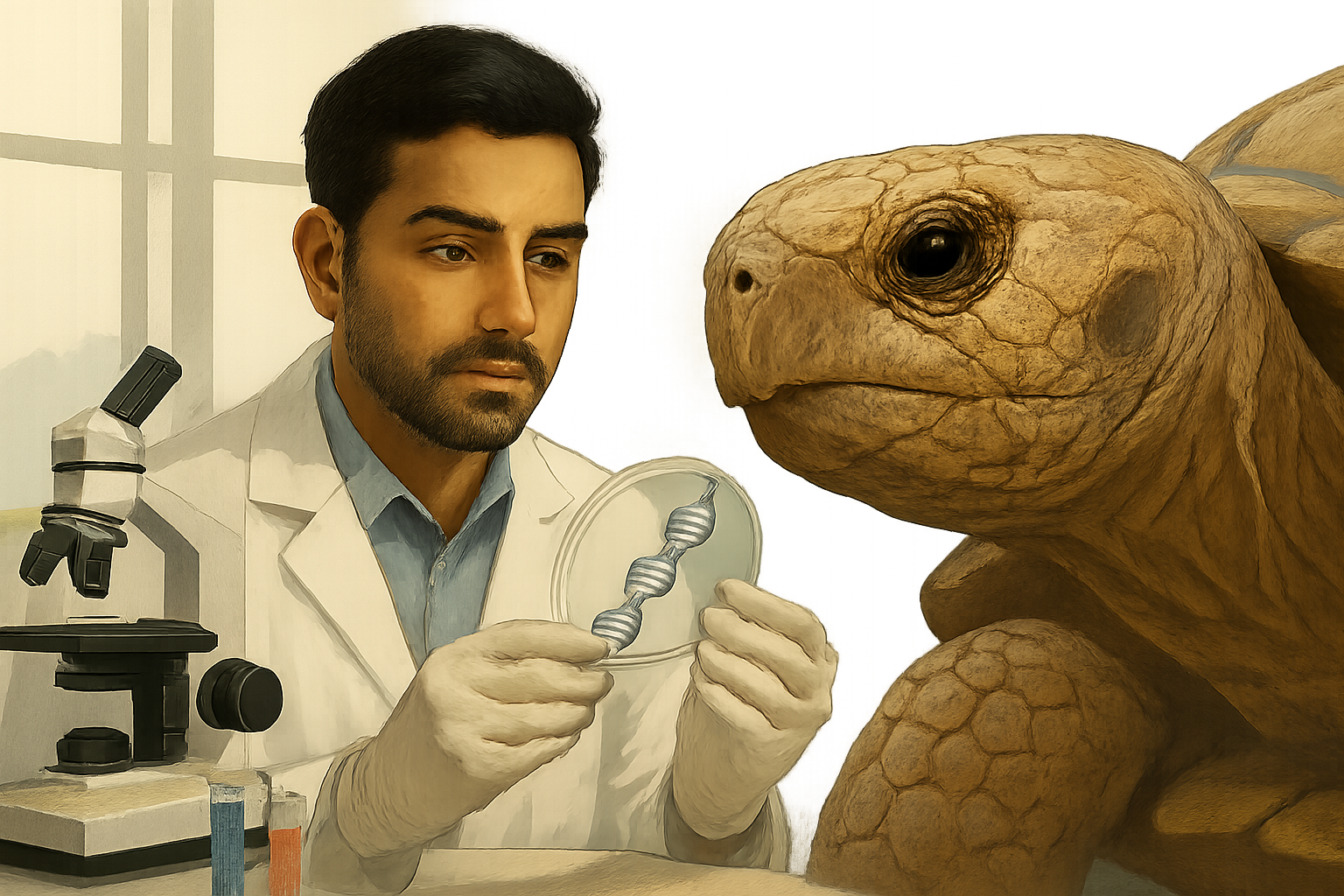
Correlations between certain genes and long life in tortoises are interesting but do not establish causation, meaning we cannot say these genetic traits cause long life. Further studies, including human research, are needed to clarify any connections.
It is also unknown how environmental, lifestyle, or other factors interact with genetics to affect longevity in tortoises or humans.
Potential Implications
Understanding the genetics of long-living animals like Jonathan may eventually help uncover biological mechanisms that influence aging and healthspan. However, current findings are mostly descriptive of one species and do not yet translate into treatments or interventions for people.
More research is required before any clinical applications can be considered.
Source: Medical Xpress
Paste the copied caption into your Instagram post. Caption links are not clickable; add the article URL to a Story link sticker or your profile link.
Open Instagram