A breakthrough in p53-targeted therapy
Researchers have made progress in therapies targeting the p53 protein, an important factor in many cancers. This work is based on laboratory and early-stage studies that explore how manipulating p53 can affect cancer cells.
Paste the copied caption into your Instagram post. Caption links are not clickable; add the article URL to a Story link sticker or your profile link.
Open InstagramFor information, not personal medical advice. Discuss treatment decisions with a qualified clinician.
Key takeaways
- p53 protein controls cell growth and prevents cancer; mutations in p53 are common in many cancers, making it a vital therapeutic target.
- New lab research shows potential ways to restore or mimic p53 function to inhibit tumour growth, based on cell and animal model studies.
- Current findings are preliminary; no large-scale human trials yet confirm safety or efficacy, so clinical benefits and survival impact remain uncertain.
Understanding the Finding
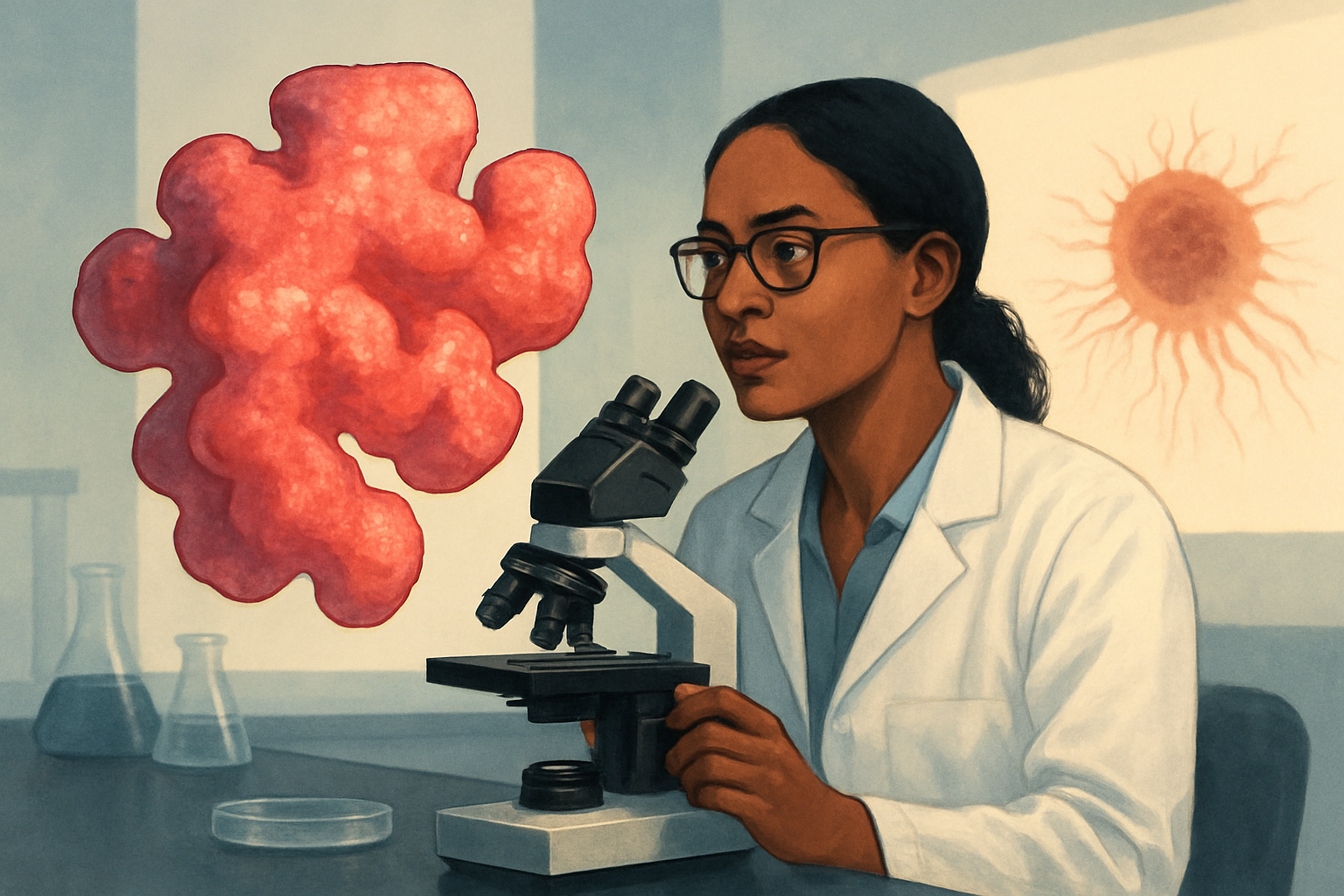
The p53 protein plays a crucial role in controlling cell growth and preventing cancer development. Mutations or malfunctions in p53 are common in numerous cancers, making it a key target for cancer therapies.
Evidence Supporting the Breakthrough
Laboratory research has identified new methods to target p53, potentially restoring its function or mimicking its activity to stop tumor growth. These findings come primarily from experiments on cells and animal models, demonstrating how manipulating p53 affects cancer development.
Limitations and Uncertainties
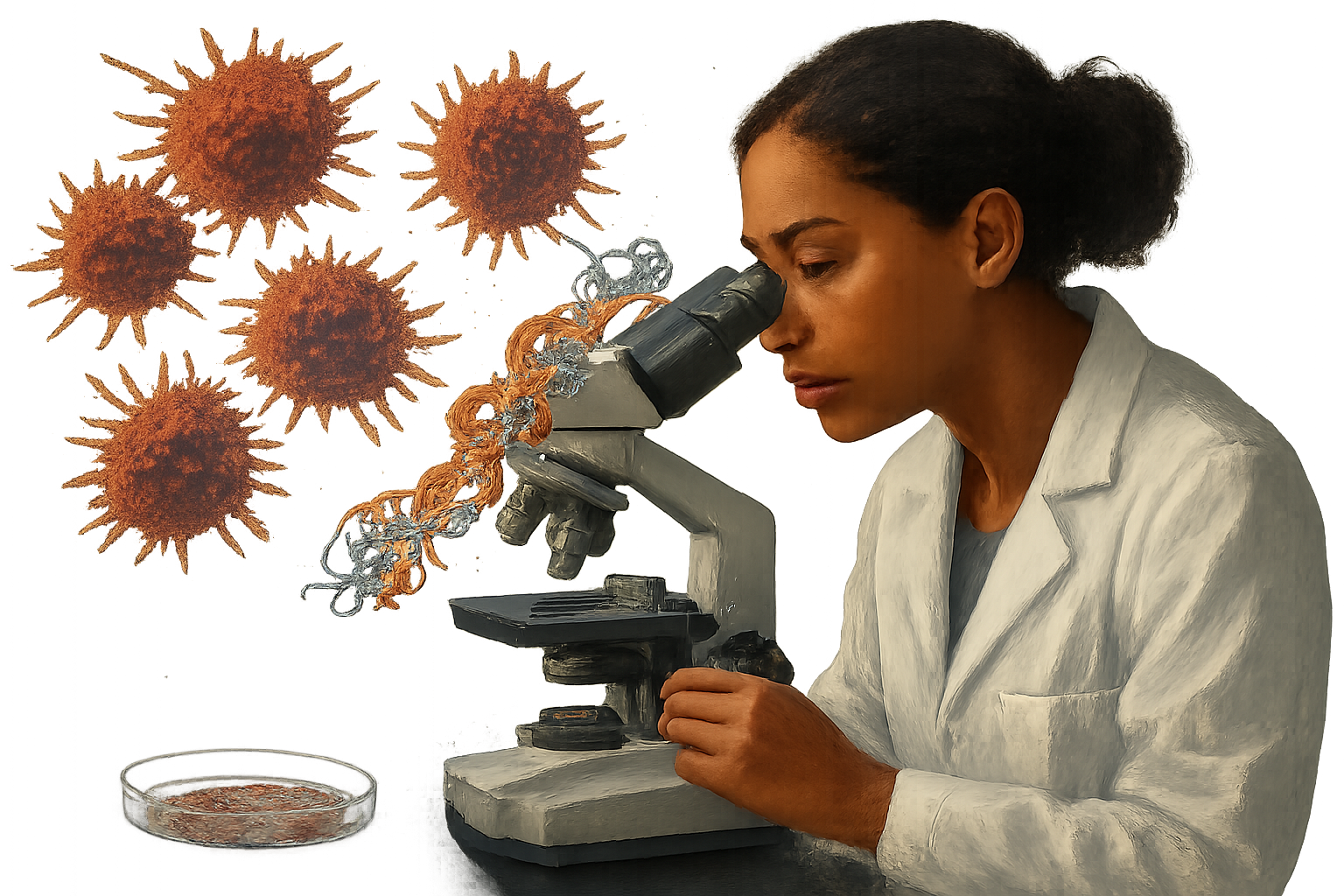
While these advances are promising, they are mostly at the laboratory stage. There is a lack of data from large-scale human clinical trials confirming the safety and effectiveness of these new p53-targeted therapies. Additionally, the complexity of cancer biology means results in experimental settings do not always translate directly to patient benefits. The full impact on survival or symptom relief remains unclear.
Possible Implications
If further studies confirm these findings, p53-targeted treatments could become part of cancer therapy, potentially improving outcomes for patients with p53-related tumors. However, more evidence is needed to understand how these approaches will fit into current treatment options and their accessibility.
Source: Nature Cancer
Paste the copied caption into your Instagram post. Caption links are not clickable; add the article URL to a Story link sticker or your profile link.
Open Instagram