Abnormal Antibodies That Disrupt DNA Repair May Help Explain Childhood Cancer
Norwegian researchers have uncovered abnormal antibodies targeting DNA repair proteins in children with cancer, suggesting a possible new mechanism behind the disease.
Paste the copied caption into your Instagram post. Caption links are not clickable; add the article URL to a Story link sticker or your profile link.
Open InstagramFor information, not personal medical advice. Discuss treatment decisions with a qualified clinician.
Key takeaways
- Norwegian researchers have identified abnormal antibodies in children with cancer that may interfere with proteins responsible for DNA repair, a key process to maintain healthy cells.
- These antibodies could disrupt DNA repair, potentially allowing DNA damage to accumulate and contribute to cancer development, though the evidence is correlational and causality is unclear.
- Further research is needed to determine if these antibodies directly impair DNA repair in living bodies, with potential future implications for diagnosis and therapy if confirmed.
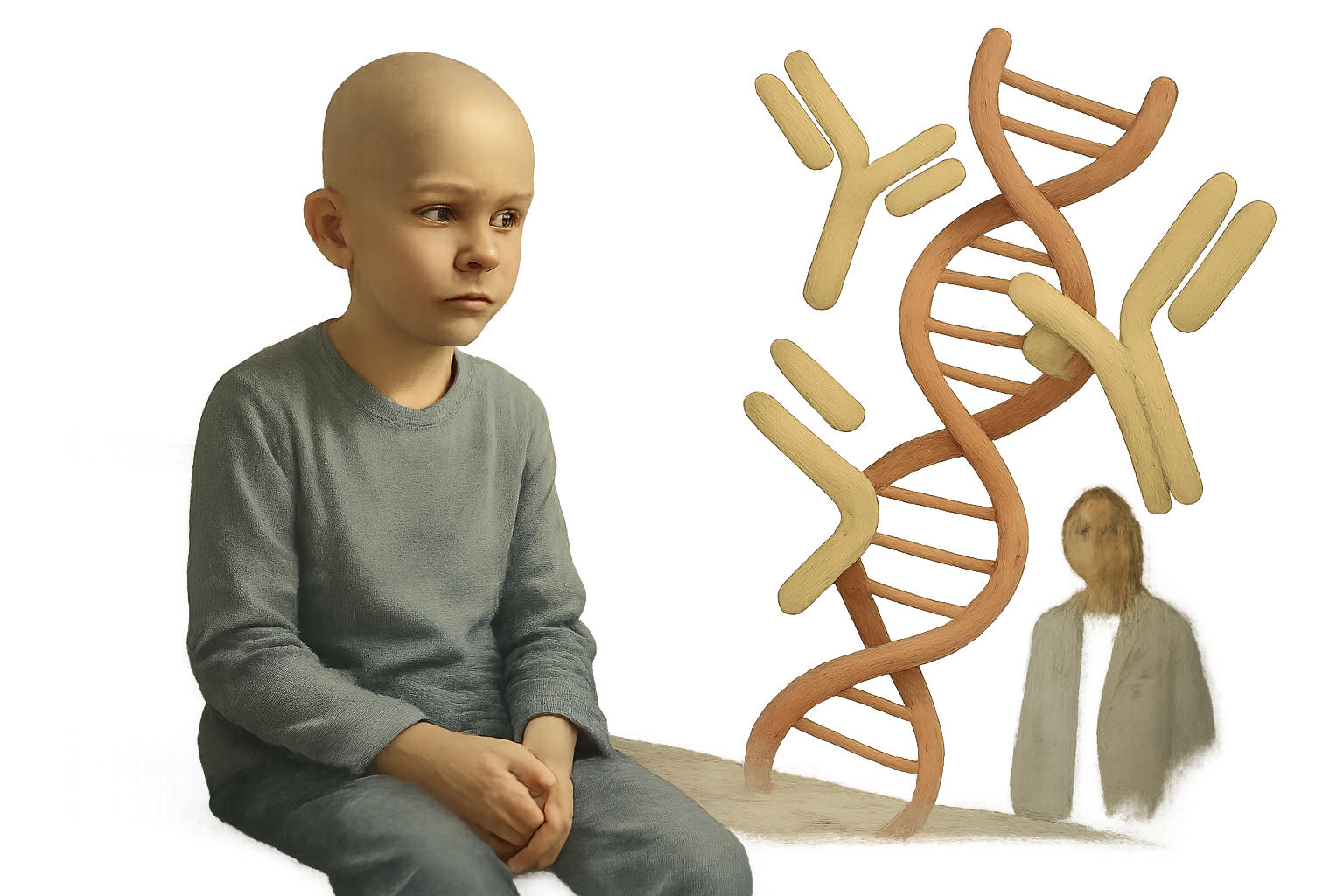
A team of scientists in Norway has found evidence suggesting that some childhood cancers may be linked to abnormal antibodies that interfere with the body’s DNA repair system. These antibodies appear to attack proteins responsible for fixing damage or errors in DNA, which is a crucial process for maintaining healthy cells.
What Are DNA Repair Proteins and Why Are They Important?
Our cells are constantly exposed to factors that can cause DNA damage. To prevent this from leading to cancer or other diseases, the body relies on a large and diverse group of proteins – collectively called the DNA repair machinery – to identify and correct these errors.
What Did the Researchers Find?
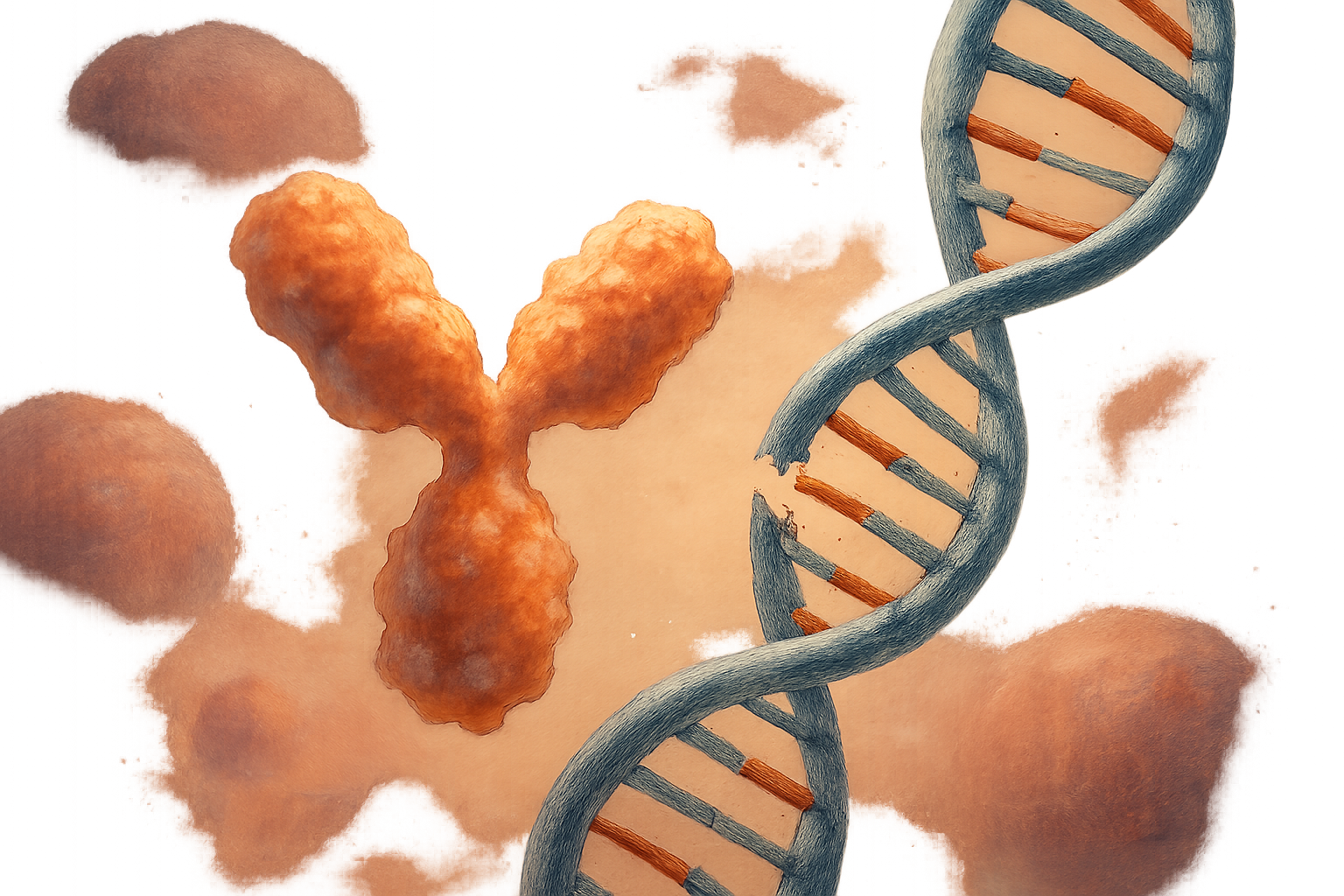
The scientists observed that children with cancer produce an unusually high level of aberrant antibodies directed against many of these DNA repair proteins. Such antibodies could disrupt the repair process, potentially allowing DNA damage to accumulate and contribute to cancer development.
Type of Evidence and Its Limitations
This finding comes from laboratory studies detecting the presence of these antibodies in children diagnosed with cancer. However, it’s important to note that the evidence so far is correlational. It is not yet clear whether these antibodies cause the cancer, are a result of the cancer, or are linked in another way.
More research is needed to understand whether these antibodies directly interfere with DNA repair in living bodies, and how that might lead to cancer onset. No current treatments targeting these antibodies exist, and it remains uncertain if modifying these antibodies could help prevent or treat childhood cancer.
What Could This Mean Going Forward?
If future studies confirm that these abnormal antibodies disrupt DNA repair and contribute to childhood cancer, it may open new avenues for diagnosis or therapy. For instance, detecting such antibodies could help identify children at risk. Therapies that reduce or block these antibodies could one day be explored, but significant research and clinical testing would be required before any such applications.
For now, this research offers an intriguing insight into one possible mechanism involved in childhood cancers, emphasizing the complexity of cancer development and the importance of the immune system and DNA repair processes.
Source: Medical Xpress
Paste the copied caption into your Instagram post. Caption links are not clickable; add the article URL to a Story link sticker or your profile link.
Open Instagram