Alcohol and the brain interact through immune cells, new research shows
New research reveals that immune cells in the brain, called microglia, play a key role in how alcohol abuse leads to brain damage and dysfunction, suggesting a potential new target for treatment.
Paste the copied caption into your Instagram post. Caption links are not clickable; add the article URL to a Story link sticker or your profile link.
Open InstagramFor information, not personal medical advice. Discuss treatment decisions with a qualified clinician.
Key takeaways
- Chronic alcohol exposure activates microglia, the brain's immune cells, leading to inflammation and damage, which contributes to brain dysfunction.
- The study highlights microglia as a significant factor in alcohol-related brain damage, suggesting a novel target for potential treatments.
- Current evidence does not establish direct causation or demonstrate clinical benefit, and no approved treatments targeting microglial pathways exist yet.
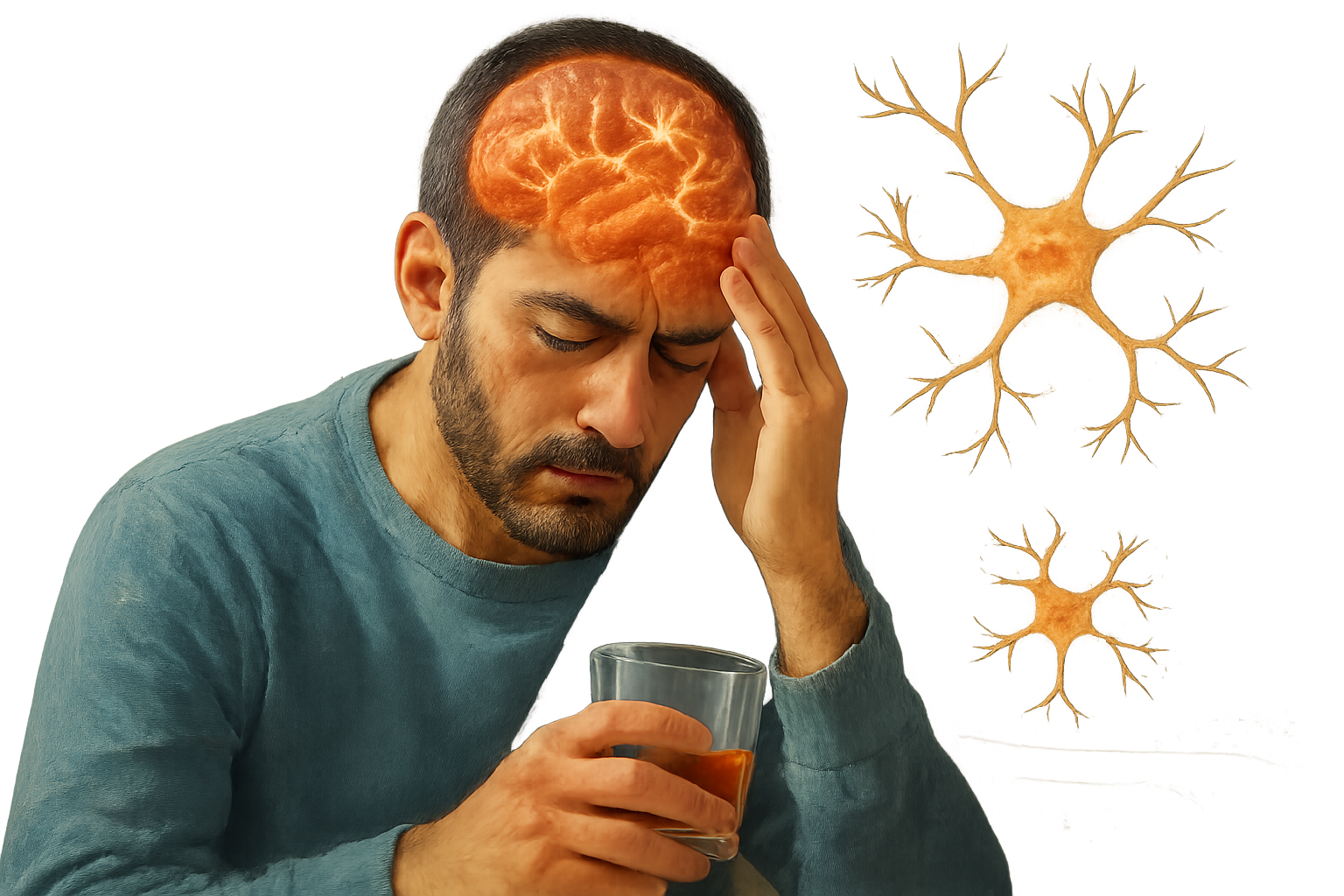
Researchers at the Cleveland Clinic have identified an important connection between alcohol abuse and brain damage involving the brain's immune cells, known as microglia. Their work suggests that alcohol impacts brain function not only directly on neurons but also by activating these immune cells, which then contribute to brain dysfunction.
What the research found
The study discovered that chronic alcohol exposure influences microglia, the brain's resident immune cells, activating them in a way that triggers inflammation and damage within the brain. This immune activation is thought to be a significant pathway through which alcohol leads to harmful effects on brain structure and function.
Evidence and its limitations
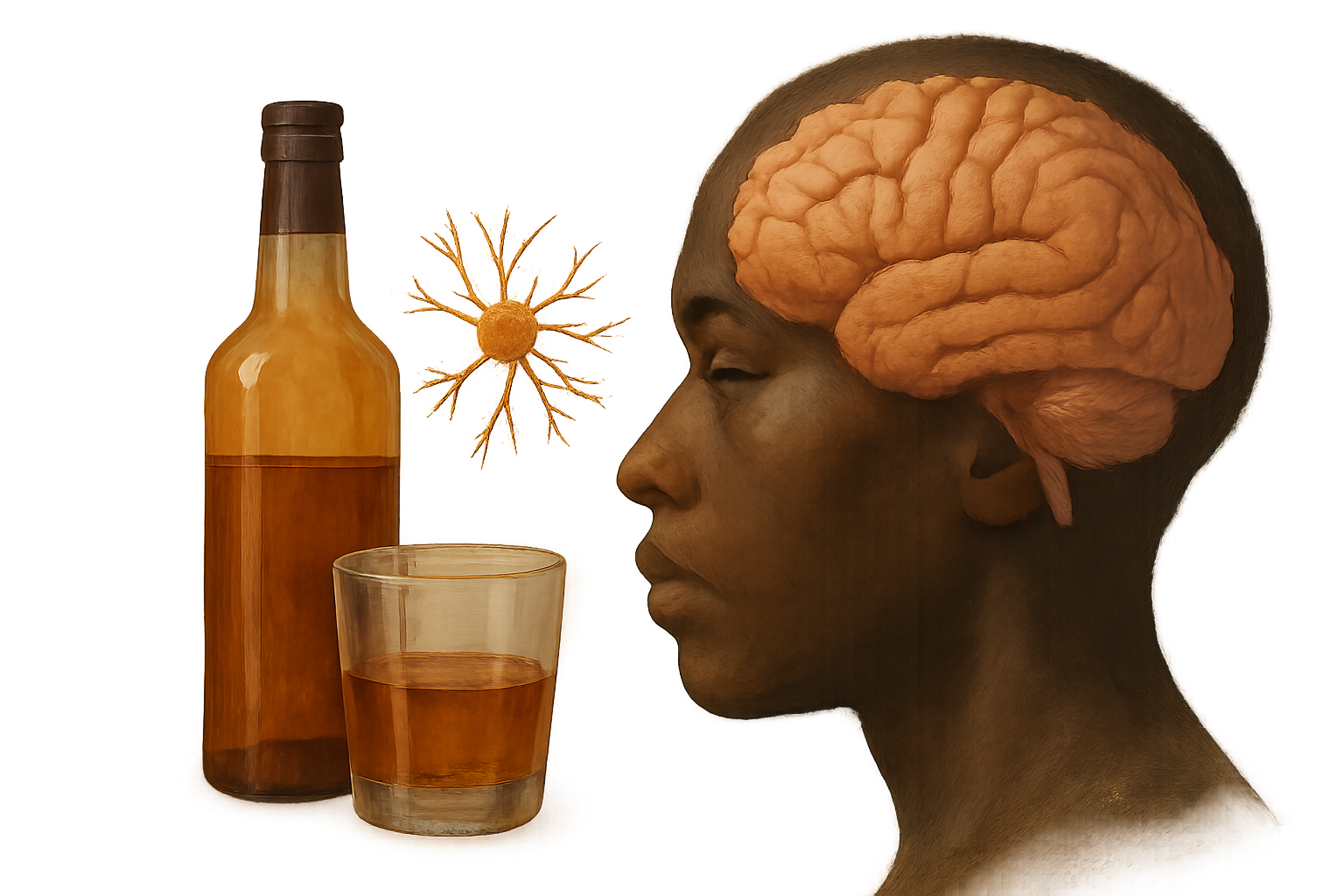
The findings come from a research team studying these cellular interactions, though the original summary does not specify whether the evidence is from laboratory, animal, or human studies. It is important to note that while the research points to a strong association between alcohol, microglial activation, and brain damage, it does not yet establish direct causation or demonstrate patient benefit from targeting these cells.
Potential implications
Identifying microglia as a key player opens a possible new target for treatments aiming to prevent or reduce alcohol-related brain damage. However, this remains an early scientific discovery. More research, including human clinical studies, is needed to explore whether interventions focused on microglia can safely and effectively treat brain dysfunction due to alcohol abuse.
At present, no approved treatments specifically targeting microglial pathways for alcohol-related brain damage exist.
Source: Medical Xpress
Paste the copied caption into your Instagram post. Caption links are not clickable; add the article URL to a Story link sticker or your profile link.
Open Instagram