Alzheimer’s Risk Gene APOE4 May Have a Reversible Weakness
New research suggests that the gene APOE4, linked to higher Alzheimer’s risk, harms brain blood vessels and disrupts protein clearance systems. Experiments showed some of these effects can be reversed, pointing to potential new treatment avenues for Alzheimer’s and other brain diseases.
Paste the copied caption into your Instagram post. Caption links are not clickable; add the article URL to a Story link sticker or your profile link.
Open InstagramFor information, not personal medical advice. Discuss treatment decisions with a qualified clinician.
Key takeaways
- The APOE4 gene increases Alzheimer's risk by damaging brain blood vessels and impairing clearance of harmful proteins like beta-amyloid.
- Laboratory studies show some damaging effects of APOE4 can be reversed, suggesting potential therapy targets.
- Findings are based on experimental models; clinical relevance and impact on symptoms or disease progression remain uncertain.

The gene known as APOE4 is a well-established factor increasing the risk of Alzheimer’s disease. Recent studies have investigated how this gene might contribute to brain damage beyond genetic predisposition, focusing on its impact on blood vessels and protein clearance in the brain.
What the Research Found
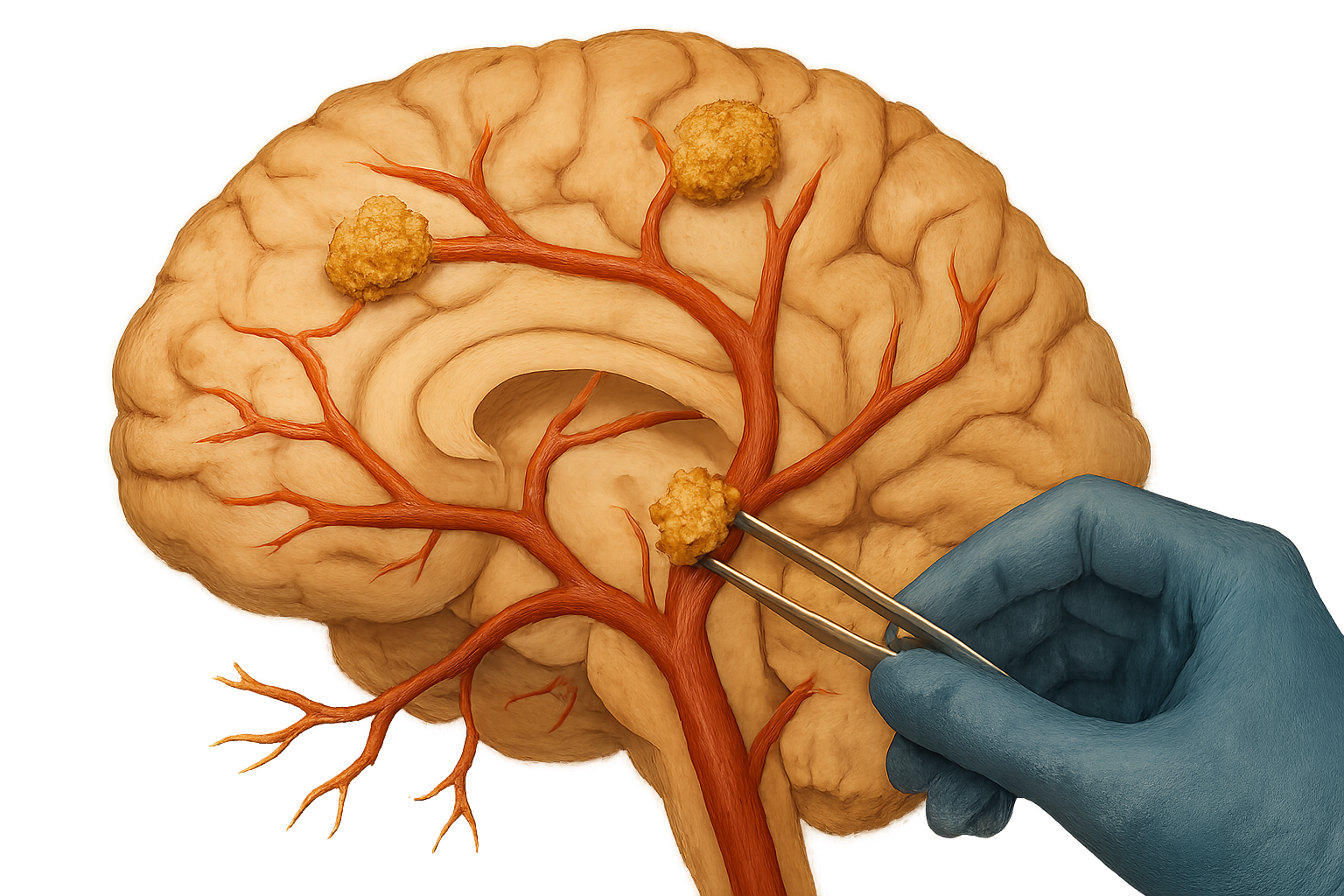
APOE4 appears to actively damage brain blood vessels, which are crucial for supplying oxygen and nutrients and removing waste. Additionally, the gene seems to interfere with cellular systems responsible for clearing harmful proteins, like beta-amyloid, that accumulate in Alzheimer’s and other neurodegenerative diseases such as Parkinson’s.
Evidence from Experiments
In laboratory experiments, researchers were able to reverse some of the damaging effects caused by APOE4. This reversal suggests that the harmful influence of APOE4 on blood vessels and protein clearance might not be permanent and could be targeted through new therapies.
Limitations and Unknowns
These findings come from laboratory and experimental models rather than confirmed clinical trials in humans. How these results translate to patient treatments remains uncertain. While the research reveals promising targets, no current treatments have been developed or approved based on this mechanism. It also remains unclear whether reversing blood vessel and protein clearance damage directly leads to improvements in cognitive symptoms or disease progression.
Possible Implications
If ongoing research confirms these findings in humans, new therapies could emerge to protect or repair blood vessel function and enhance protein clearance in people with APOE4. Such treatments might not only benefit Alzheimer’s patients but could also have implications for other neurodegenerative diseases involving protein buildup.
Source: ScienceDaily Medical
Paste the copied caption into your Instagram post. Caption links are not clickable; add the article URL to a Story link sticker or your profile link.
Open Instagram