Blocking a Cellular Stress Pathway May Help Preserve Insulin-Producing Cells
Scientists have found that stopping certain proteins in a stress-related pathway can protect insulin-producing beta cells in the pancreas, offering a possible new approach to treating type 2 diabetes.
Paste the copied caption into your Instagram post. Caption links are not clickable; add the article URL to a Story link sticker or your profile link.
Open InstagramFor information, not personal medical advice. Discuss treatment decisions with a qualified clinician.
Key takeaways
- Researchers at Weill Cornell Medicine identified a stress-related molecular pathway contributing to the death of insulin-producing beta cells in the pancreas, relevant to type 2 diabetes.
- Blocking proteins in this stress pathway improved beta cell survival in preclinical and human cell studies, suggesting potential to preserve beta cell function.
- Current findings are from laboratory and preclinical studies; safety and effectiveness in humans remain unknown, requiring further research before clinical application.
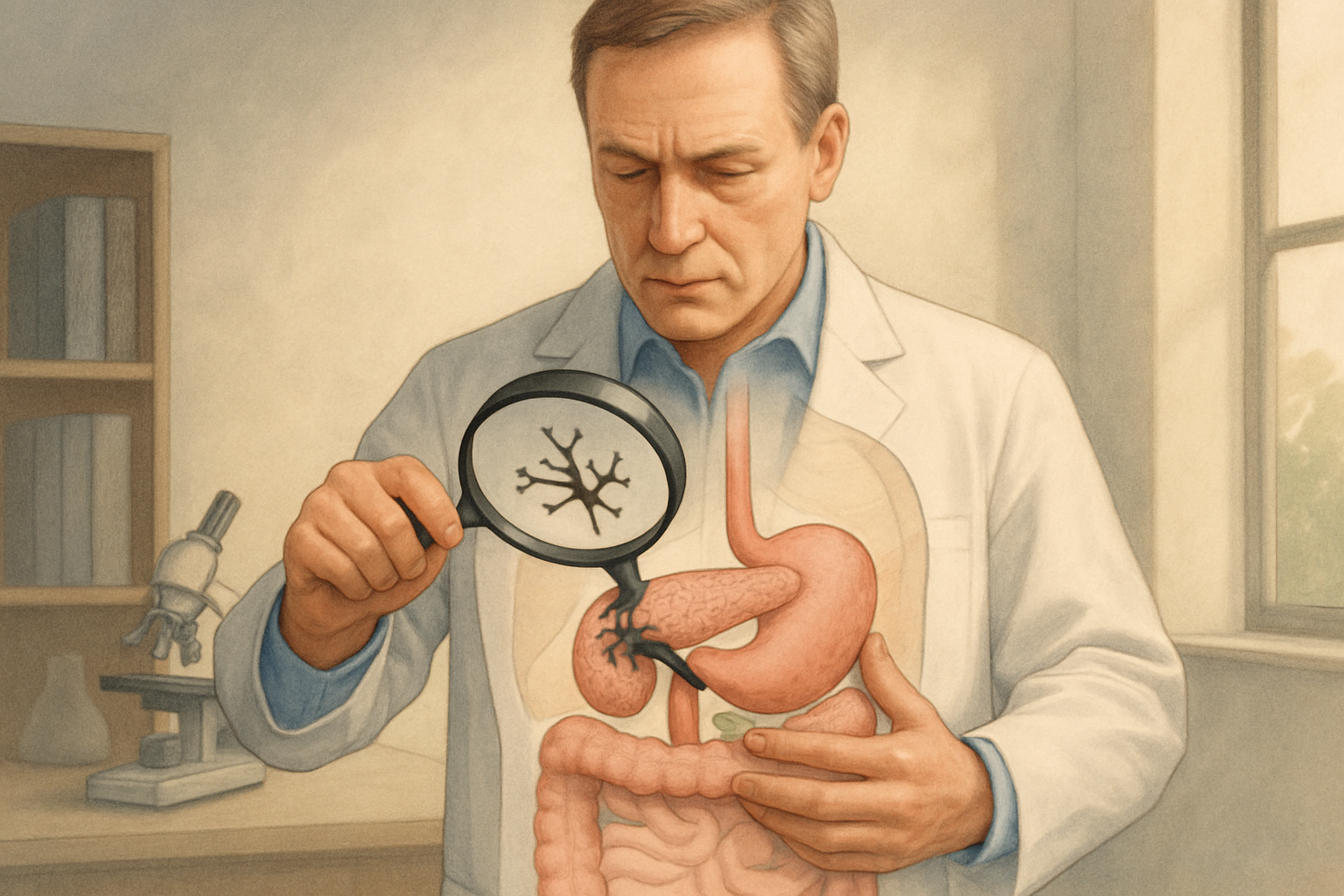
What Researchers Discovered
Scientists at Weill Cornell Medicine identified a molecular pathway that plays a role in the death of beta cells in the pancreas. These beta cells produce insulin, a hormone crucial for regulating blood sugar. The researchers found that excessive cellular stress can contribute to beta cell loss, which is a key problem in type 2 diabetes.
Evidence Behind the Finding
The discovery comes from experiments using preclinical models and human pancreatic cells. When they blocked certain proteins involved in this cellular stress pathway, beta cells were better able to survive and resist damage from stress. This suggests that interfering with this pathway could potentially preserve beta cell function.
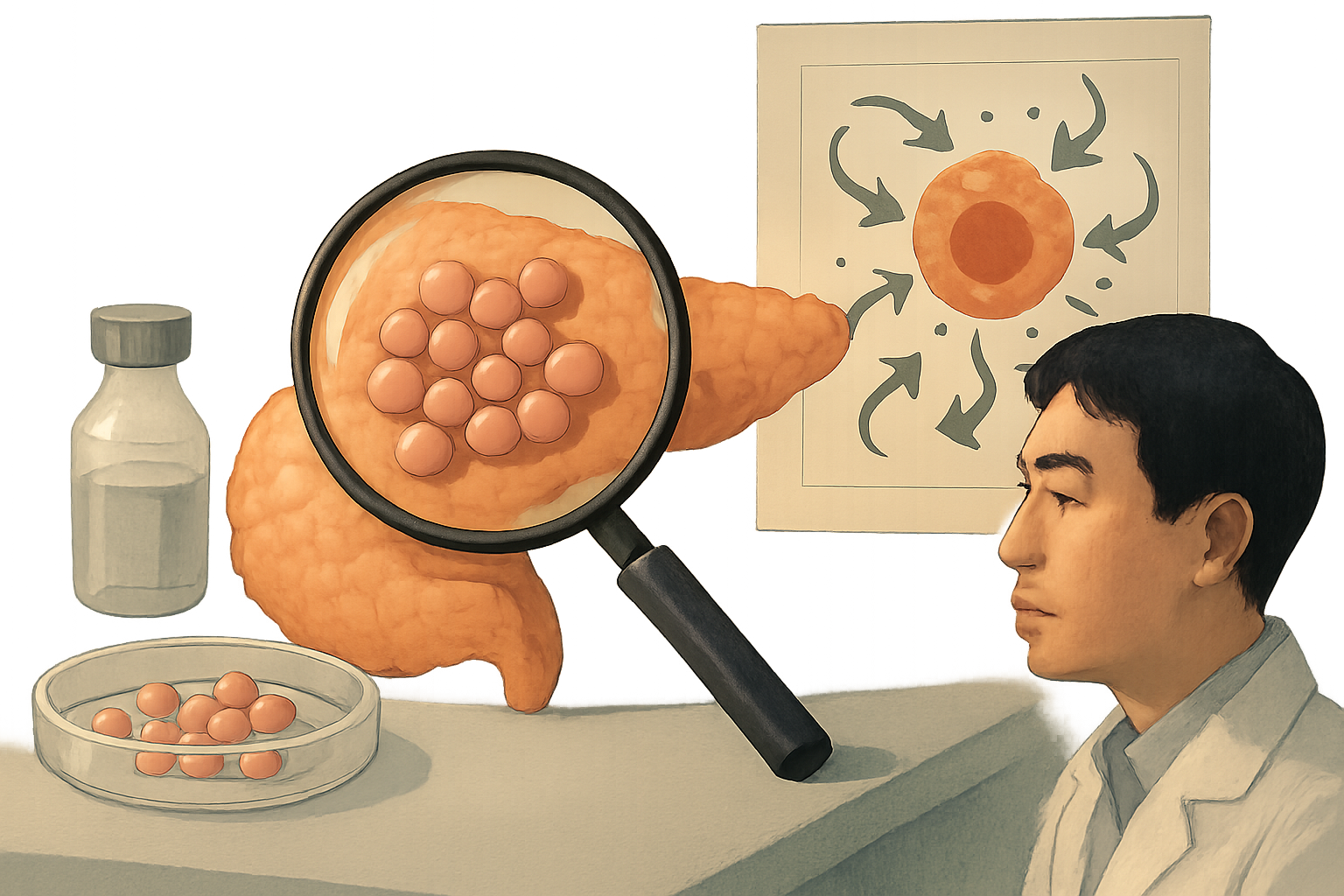
Limitations and What We Don’t Yet Know
While the findings are promising, they are based on laboratory and preclinical studies rather than clinical trials in patients. We do not yet know if blocking this pathway will be safe or effective in people with type 2 diabetes. More research is needed to explore whether this strategy can be developed into a treatment and what side effects might arise.
Possible Implications
If future studies in humans confirm these results, therapies targeting this stress pathway might help maintain insulin production, improve blood sugar control, and potentially slow or prevent progression of type 2 diabetes. However, this is an early step, and no treatments are currently available based on this approach.
Source: Medical Xpress
Paste the copied caption into your Instagram post. Caption links are not clickable; add the article URL to a Story link sticker or your profile link.
Open Instagram