Blood cancer study links blood formation and bone health
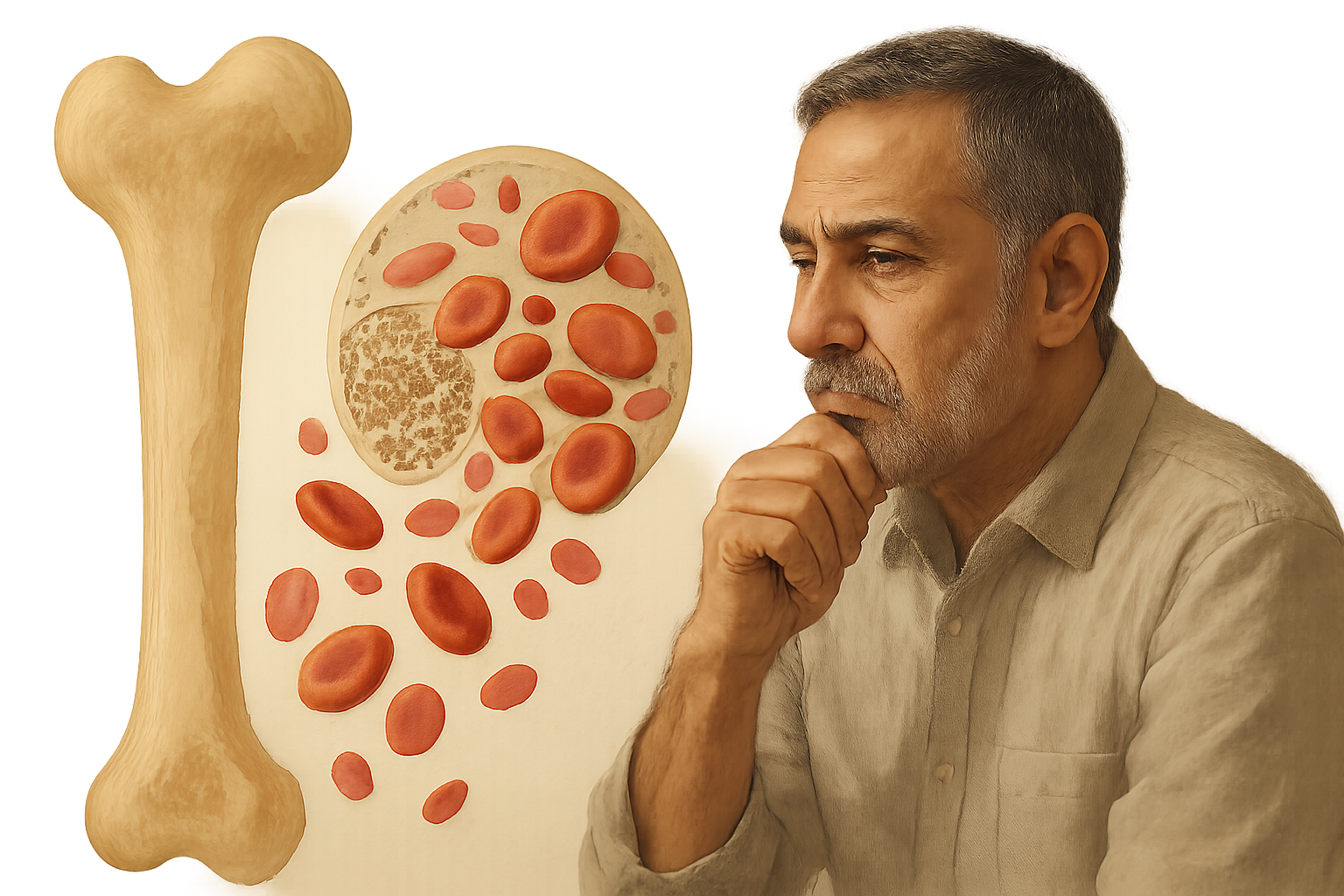
Research into myelodysplastic syndromes (MDS), a blood and bone marrow disorder mainly affecting older adults, reveals that impaired blood formation in the bone marrow is associated with bone health issues that have not been well studied before.
Paste the copied caption into your Instagram post. Caption links are not clickable; add the article URL to a Story link sticker or your profile link.
Open InstagramFor information, not personal medical advice. Discuss treatment decisions with a qualified clinician.
Key takeaways
- Myelodysplastic syndromes (MDS) disrupt healthy blood cell production in bone marrow, leading to blood abnormalities like anemia, mostly affecting older adults.
- New study highlights a potential link between blood formation problems in MDS and bone health deterioration, suggesting that bone quality issues deserve more attention.
- Current evidence on the relationship between MDS and bone health is limited and unclear, with unknown clinical significance and need for further research.
Understanding MDS and Blood Formation
Myelodysplastic syndromes (MDS) are a group of malignant diseases affecting the blood-forming system, primarily seen in older adults. In MDS, the bone marrow's ability to produce healthy blood cells is disrupted. This impairment causes abnormalities in the blood counts, such as anemia, which is a deficiency of red blood cells. Managing MDS usually focuses on correcting blood counts and addressing symptoms like anemia. Some patients need frequent blood transfusions to maintain adequate blood levels.
Link Between Blood Formation and Bone Health
While most treatments concentrate on blood cell levels and anemia, the new study highlights that bone health has not received sufficient attention in patients with MDS. Since the bone marrow—the site where blood cells are made—is inside the bones, the disease’s impact goes beyond blood alone. The study suggests that problems with blood formation in MDS may be connected to weakening or deterioration of bone quality.
Nature of the Evidence
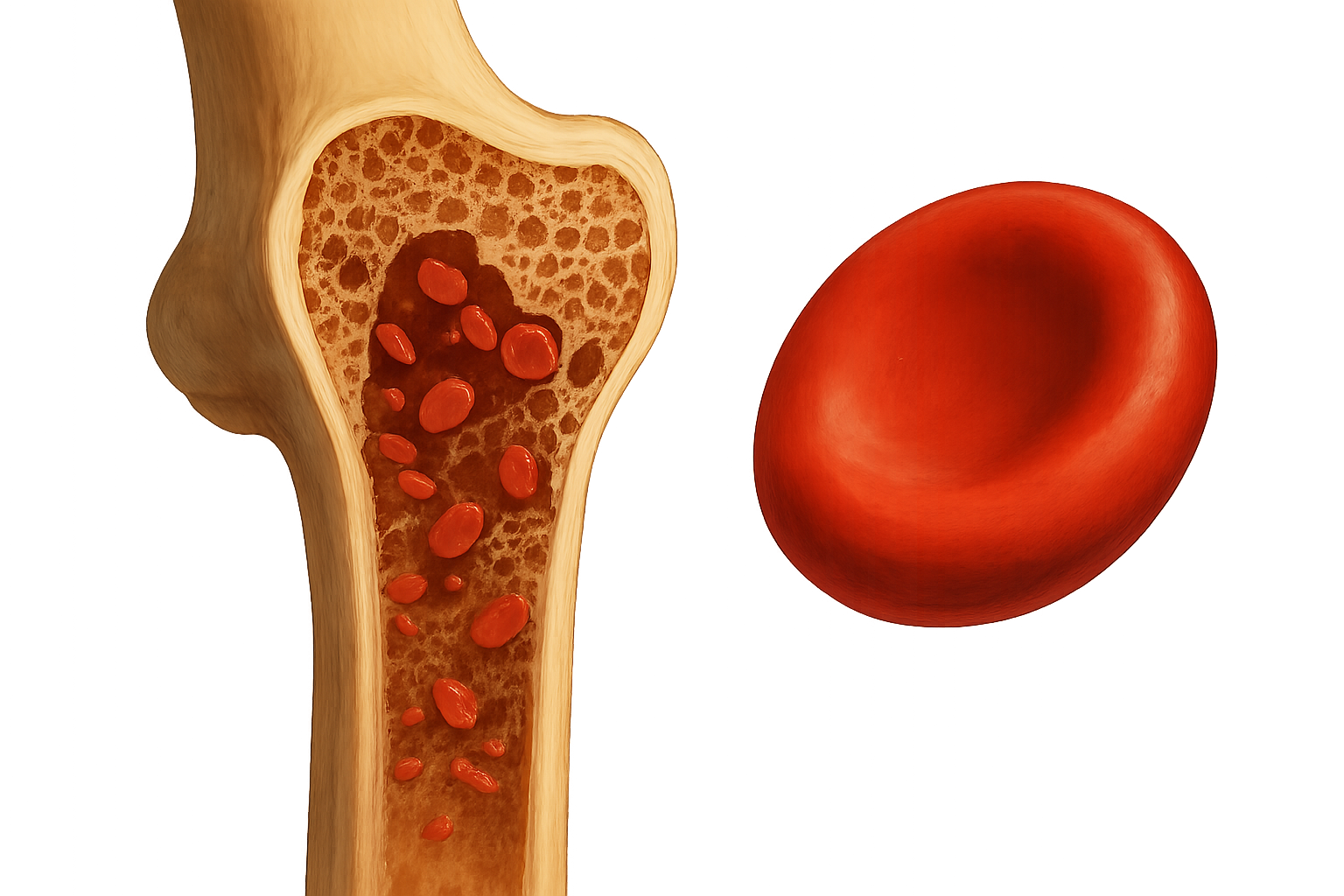
The findings are based on clinical observations and research focusing on how MDS affects the bone marrow environment. However, the information provided does not specify whether the evidence comes from lab studies, animal models, or direct patient data. The detailed biological mechanisms and strength of the association between blood formation defects and bone health have not been fully explained in this summary.
Limitations and Unknowns
Because the summary is brief and lacks details on study design, participant numbers, or direct outcomes related to bone health measures in MDS patients, the extent and clinical significance of bone health problems remain uncertain. It is also unclear whether interventions targeting bone health would improve outcomes for these patients or how such treatments might be integrated with current blood-focused therapies.
Possible Implications
If future research confirms that bone health is significantly affected in MDS, medical care could expand to include screening for bone weakening and preventive or therapeutic strategies to protect the skeleton. This would represent a broader approach to managing MDS symptoms, aiming not only to maintain blood cell levels but also to support overall bone integrity and patient quality of life.
For now, patients and clinicians should be aware of the potential connection but recognize that more research is needed before changes in standard care are established.
Source: Medical Xpress
Paste the copied caption into your Instagram post. Caption links are not clickable; add the article URL to a Story link sticker or your profile link.
Open Instagram