Blood test can help clinicians better identify brain injury severity in patients
Blood-based biomarker tests offer a promising tool to improve the identification of traumatic brain injury severity, potentially leading to better patient care.
Paste the copied caption into your Instagram post. Caption links are not clickable; add the article URL to a Story link sticker or your profile link.
Open InstagramFor information, not personal medical advice. Discuss treatment decisions with a qualified clinician.
Key takeaways
- A blood test measuring brain injury biomarkers may help clinicians assess the severity of traumatic brain injury (TBI) more effectively than current diagnostic methods.
- Current evidence supporting biomarker blood tests mainly comes from observational and laboratory studies, indicating potential but not yet confirming clinical utility.
- Limitations include variability in test accuracy across populations and injury types, unclear timing for reliable biomarker detection, and uncertain impact on treatment decisions.
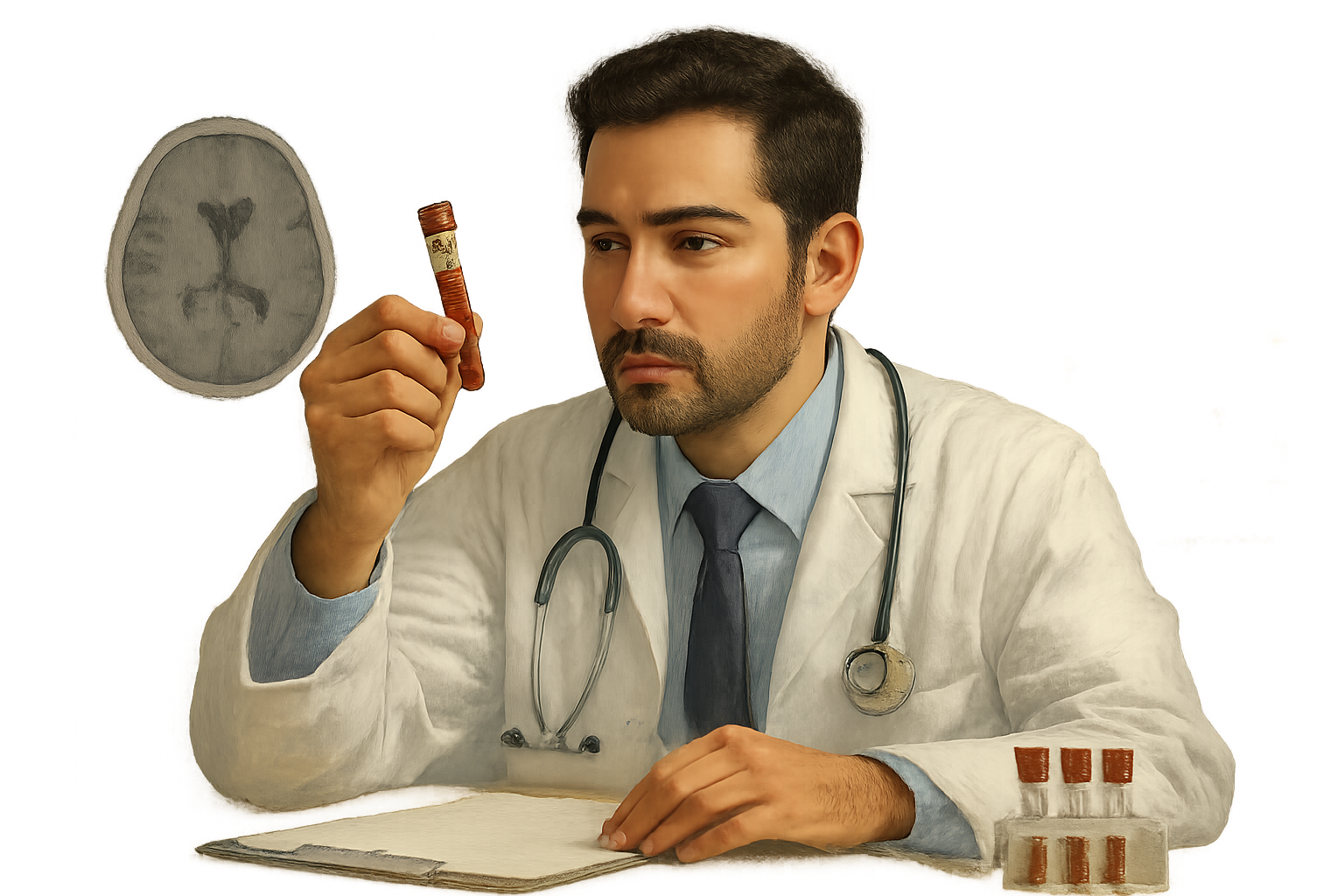
Traumatic brain injury (TBI) is a complex condition where timely and accurate diagnosis can be challenging. Clinician-scientists are investigating blood-based biomarker tests that may help identify the severity of brain injury more effectively than current methods.
What is the new finding?
A blood test measuring specific biomarkers associated with brain injury could assist clinicians in determining how severe a patient's TBI is. This could be especially helpful for patients whose condition might otherwise be overlooked or underestimated in emergency or clinical settings.
What is the evidence?
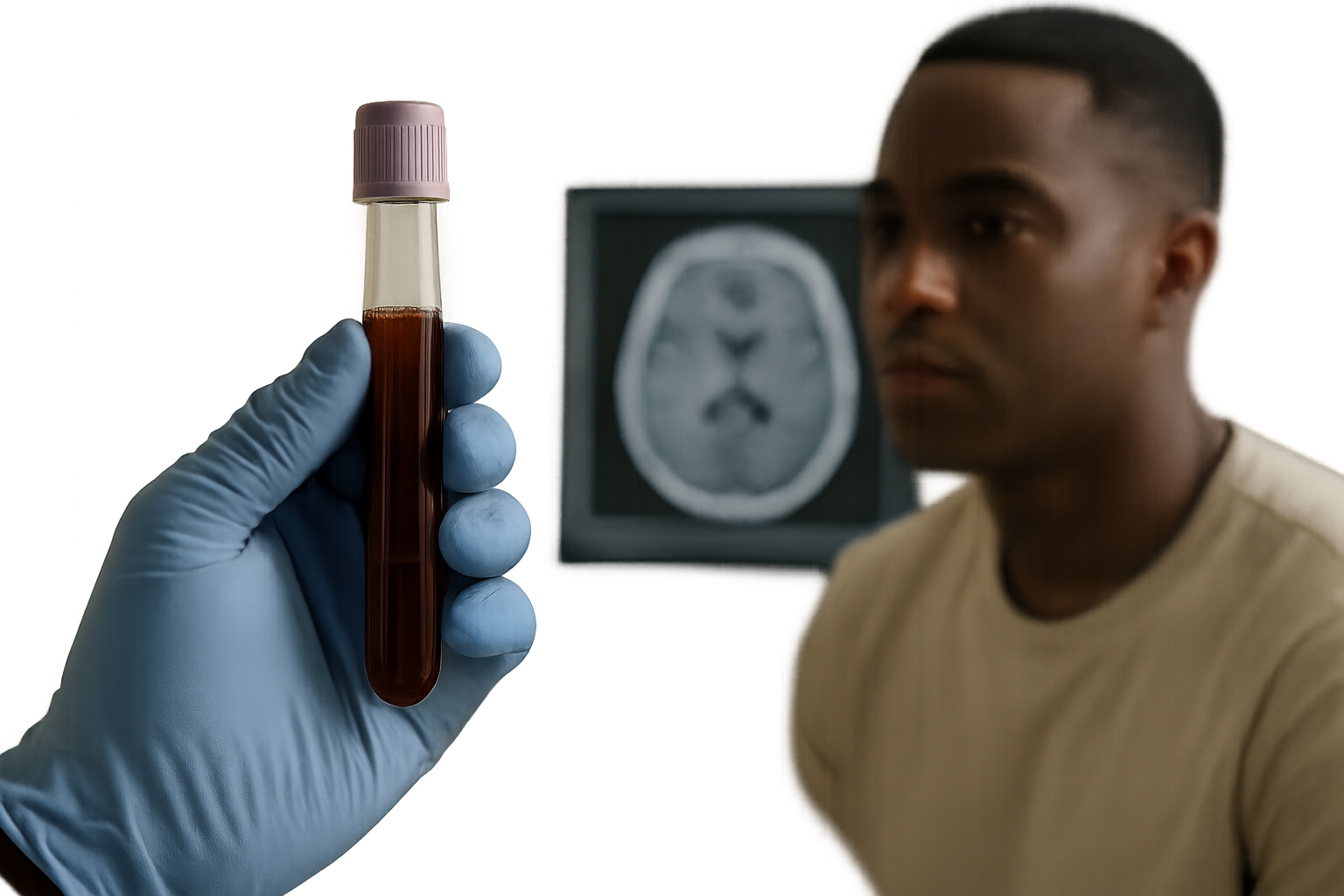
The idea of using blood-based tests for TBI severity relies on detecting molecules released into the bloodstream following brain injury. These biomarkers can provide information about the extent of neuronal damage or inflammation.
While studies have shown that certain biomarkers rise in patients with more severe brain injuries, most of this research comes from laboratory or clinical observational studies. These studies support the theory that blood tests could augment current diagnostic tools, such as imaging scans and clinical assessments.
Limitations and uncertainties
Despite promising results, the use of blood biomarker tests for TBI severity is not yet standard practice. Important questions remain about how well these tests predict patient outcomes across diverse populations and injury types. Additionally, their performance compared to or in combination with imaging tests needs further evaluation.
Blood tests may not capture all aspects of brain injury and could produce false positives or negatives. It is also unclear how early after injury these biomarkers provide reliable information and whether they can guide treatment decisions effectively.
Possible implications
If further research confirms these findings, blood tests could become an important part of evaluating traumatic brain injury. This would help clinicians prioritize care and monitor patients more closely, potentially improving outcomes.
Overall, while blood-based biomarker tests hold promise, more research is needed before they can be widely adopted in clinical practice.
Source: Medical Xpress
Paste the copied caption into your Instagram post. Caption links are not clickable; add the article URL to a Story link sticker or your profile link.
Open Instagram