Brain Cells Once Thought Protective May Contribute to Cognitive Decline
New research suggests that brain cells known for their protective role might actually contribute to age-related cognitive decline by producing excessive myelin, which disrupts nerve fibers and could impair memory and thinking.
Paste the copied caption into your Instagram post. Caption links are not clickable; add the article URL to a Story link sticker or your profile link.
Open InstagramFor information, not personal medical advice. Discuss treatment decisions with a qualified clinician.
Key takeaways
- Brain cells that produce myelin, traditionally seen as protective, may contribute to cognitive decline by producing excess myelin which disrupts nerve fibre function as we age.
- Current evidence primarily comes from laboratory studies, suggesting excess myelin production by dysfunctional cells impairs nerve signalling linked to memory and thinking problems.
- Cognitive decline is complex and multifactorial; excessive myelin production represents one potential contributor among many factors involved in age-related brain changes.

As we age, many people experience a decline in memory and cognitive abilities. Scientists have traditionally focused on neuron damage or loss as key causes. However, recent findings highlight a surprising role for a different brain cell type in this process.
What Are These Brain Cells?
The cells in question are involved in maintaining and protecting nerve fibers by producing myelin, a fatty substance that insulates nerve cells and aids signal transmission. These cells have generally been seen as beneficial for brain health.
New Findings About Dysfunctional Cells
Scientists have discovered that as these cells become dysfunctional with age, they start producing abnormally high amounts of myelin. Instead of protecting nerve fibers, this excess myelin may disrupt their normal function.
Evidence Behind the Discovery
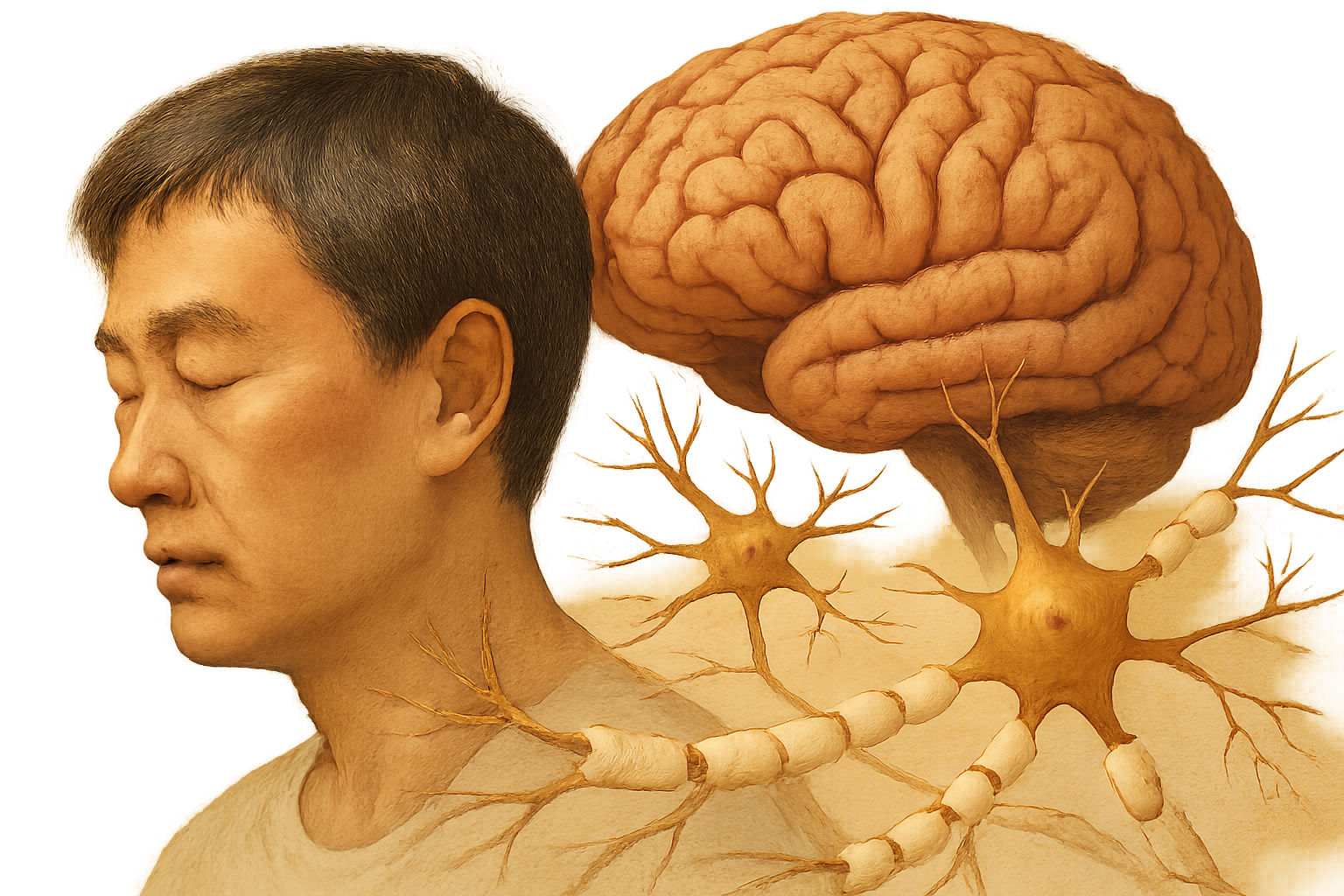
The research includes laboratory studies examining these cells and their effects on nerve fibers during aging. Such studies suggest a connection between increased myelin production by dysfunctional cells and impaired nerve signaling. This disruption could contribute to the memory and thinking problems commonly seen in older adults.
Limitations and What We Don’t Know
While these findings provide a new perspective, it is important to note that the evidence mainly comes from laboratory settings. More research is needed to confirm how this process occurs in humans and to understand the extent to which it directly causes cognitive decline.
Additionally, cognitive decline is complex and likely results from multiple factors, including other cell types and brain changes. The role of excessive myelin production is an important piece but not the whole story.
Potential Implications
Understanding that these brain cells can have both protective and harmful effects could influence how scientists approach treatments for age-related cognitive decline. Future therapies might aim to restore the normal function of these cells to protect nerve fibers without causing disruption.
At this stage, these findings do not point to any existing treatments but lay groundwork for further research into brain aging mechanisms.
Source: ScienceDaily Medical
Paste the copied caption into your Instagram post. Caption links are not clickable; add the article URL to a Story link sticker or your profile link.
Open Instagram