Brain scans reveal which disorders are linked to faster brain aging
A large MRI study has found that Alzheimer's disease, mild cognitive impairment, psychiatric disorders, and addiction relate to faster brain aging, with the strongest effects seen in Alzheimer's and mild cognitive impairment. ADHD and autism showed no significant differences in brain aging.
Paste the copied caption into your Instagram post. Caption links are not clickable; add the article URL to a Story link sticker or your profile link.
Open InstagramFor information, not personal medical advice. Discuss treatment decisions with a qualified clinician.
Key takeaways
- MRI brain scans reveal Alzheimer’s disease and mild cognitive impairment show the strongest links to faster brain aging, with distinct structural changes noted.
- Psychiatric disorders and addiction are also associated with accelerated brain aging but with different patterns compared to Alzheimer’s and MCI.
- No significant brain aging differences were found in ADHD or autism spectrum disorder, suggesting differing brain aging processes across conditions.
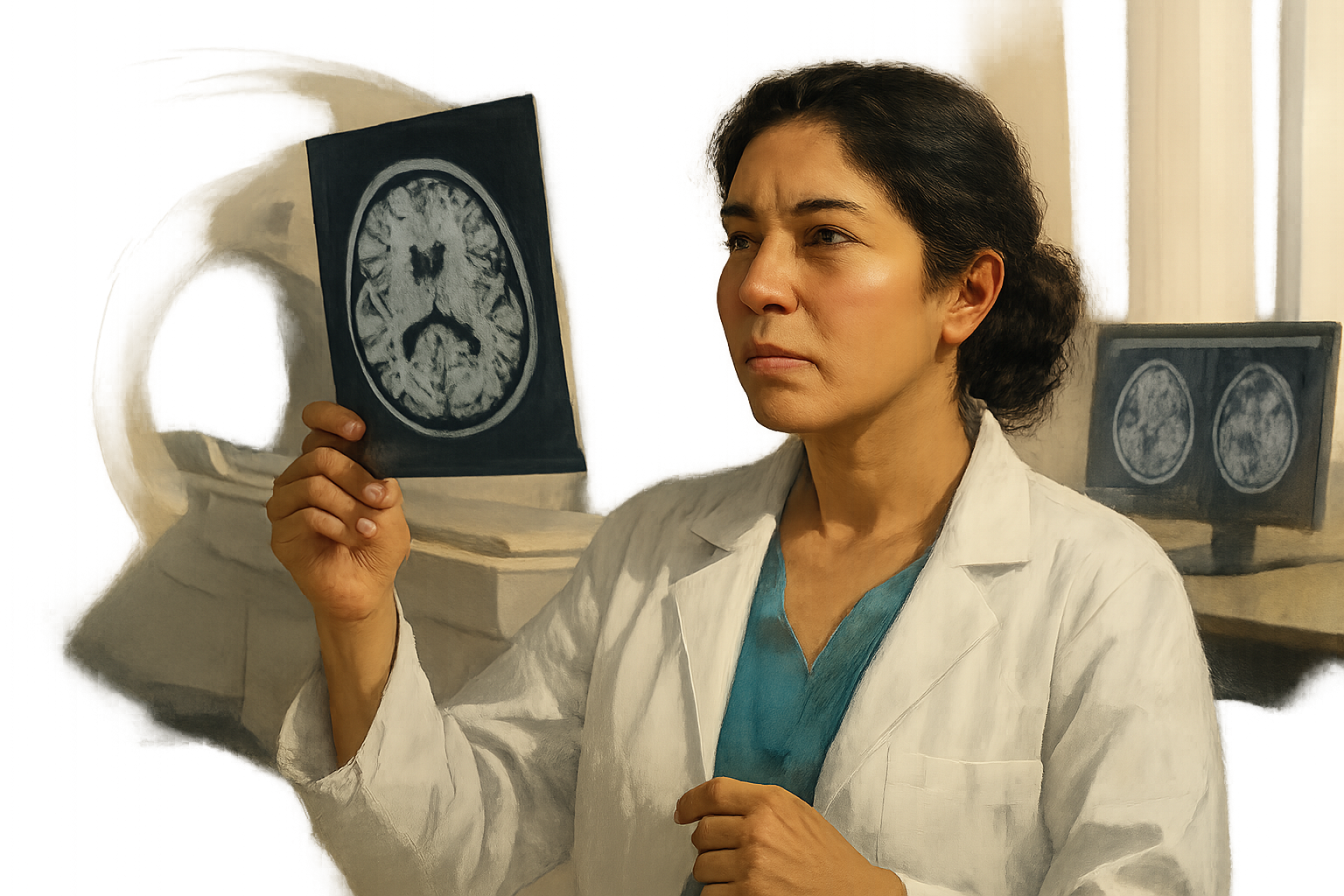
A recent large-scale study used MRI brain scans to investigate how various neurological and psychiatric conditions may be linked to accelerated aging of the brain. Researchers analyzed detailed brain images to identify distinct patterns associated with different disorders.
Findings on brain aging and disorders
The study found that Alzheimer’s disease and mild cognitive impairment (MCI) showed the most pronounced signs of faster brain aging. These conditions, which affect memory and cognitive function, appeared clearly linked to accelerated structural changes visible in brain scans.
Psychiatric disorders and addiction also showed associations with faster brain aging, but the patterns were distinct from those seen in Alzheimer’s and MCI. This suggests that while these conditions may affect brain health, they do so in different ways.
Interestingly, the study found no significant overall differences in brain aging patterns for people with attention deficit hyperactivity disorder (ADHD) or autism spectrum disorder (ASD). This indicates these conditions may not involve the same accelerated brain aging processes observed in the other disorders examined.
Understanding the evidence
The evidence comes from a large number of MRI scans, which offer a detailed look at brain structure. This allows researchers to estimate the brain’s biological age compared to chronological age, identifying acceleration or slowing in the aging process.
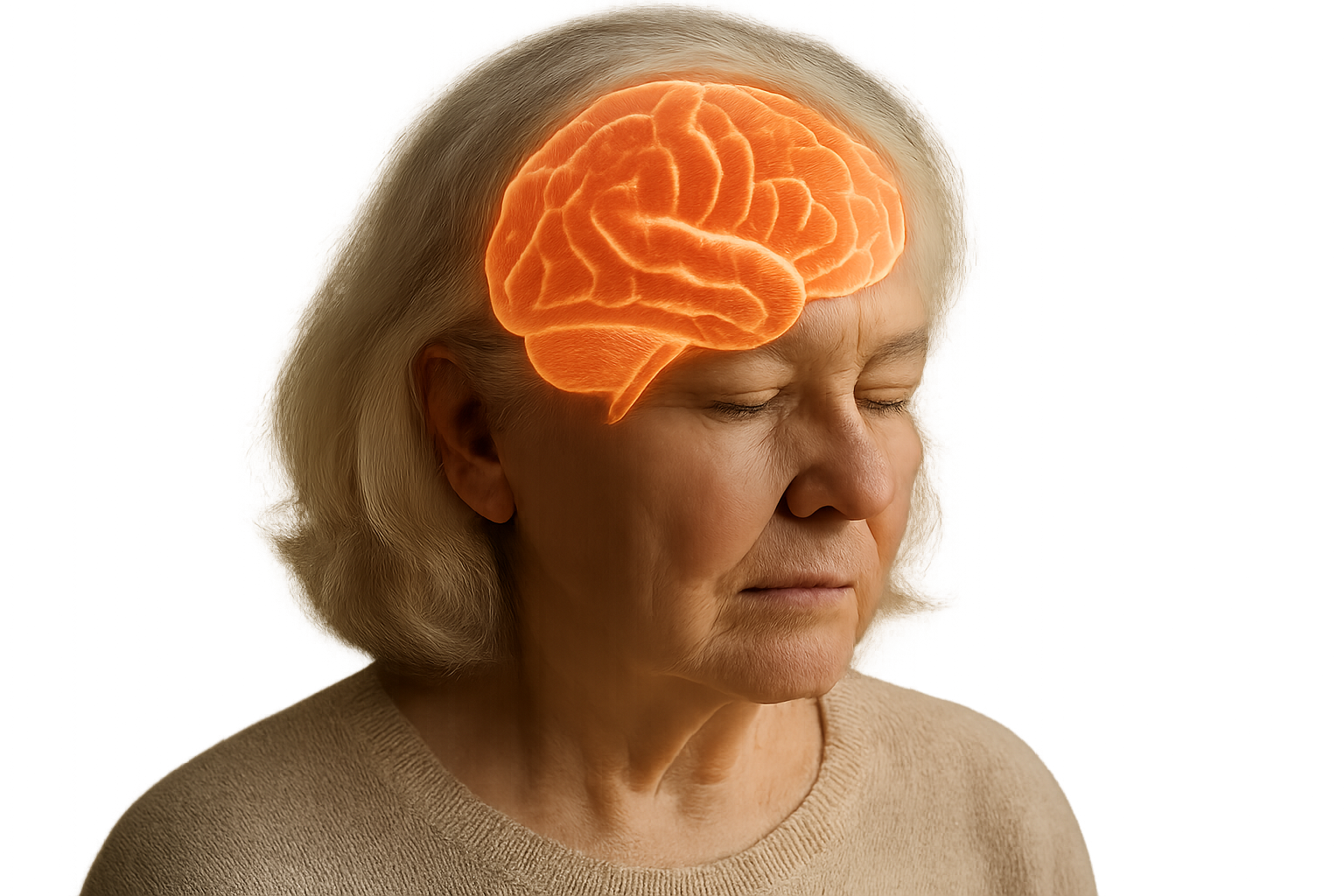
These findings show correlations between certain disorders and brain aging, but it is important to note that correlation does not establish causation. The accelerated brain aging could be a consequence of disease processes, risk factors, or other related issues.
Limitations and unknowns
The study focuses on imaging biomarkers rather than direct measures of cognitive function or daily functioning. Thus, the clinical relevance in terms of symptoms or patient outcomes needs further research.
Moreover, the study does not address whether interventions could slow brain aging or alter these patterns. It is also unclear what factors drive the differences between disorders, requiring more investigation.
Possible implications
This research highlights the potential for brain imaging to better understand how different diseases affect brain health and aging. Tracking brain aging could eventually help in diagnosis, monitoring disease progression, or developing treatments targeting brain health.
However, more work is needed to confirm these findings, explore underlying mechanisms, and translate them into clinical practice.
Source: ScienceDaily Medical
Paste the copied caption into your Instagram post. Caption links are not clickable; add the article URL to a Story link sticker or your profile link.
Open Instagram