Cancer Stem Cells Show 'Energy Addiction' Offering New Potential Treatment Target
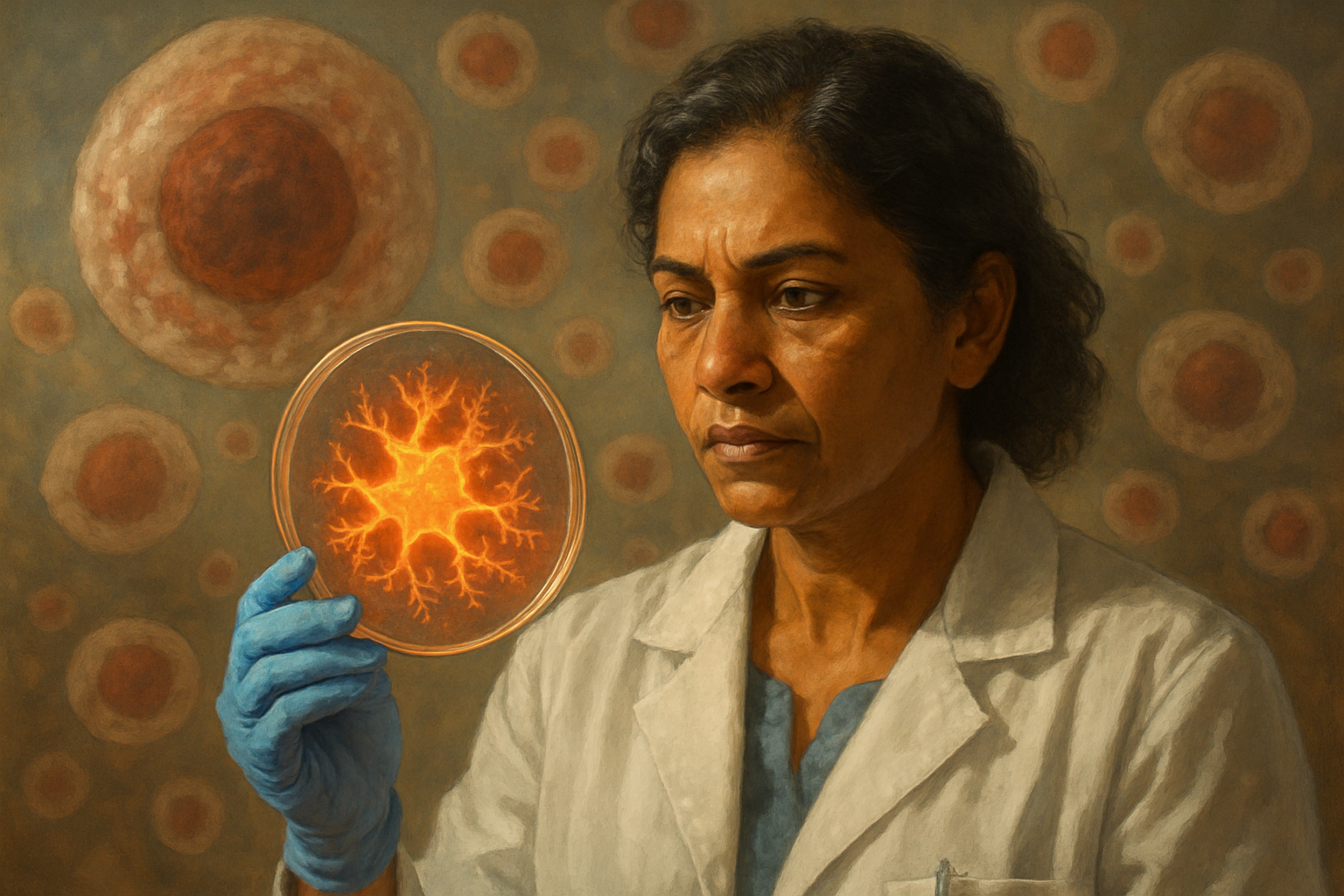
Researchers have discovered that stem cells driving high-risk myelodysplastic syndromes (MDS) depend heavily on a molecule called NAD for energy. Interrupting this reliance selectively weakened these cancerous cells, pointing to a possible new approach for therapies.
Paste the copied caption into your Instagram post. Caption links are not clickable; add the article URL to a Story link sticker or your profile link.
Open InstagramFor information, not personal medical advice. Discuss treatment decisions with a qualified clinician.
Key takeaways
- Researchers found that disrupting the NAD-related energy pathway weakens cancer-driving stem cells in high-risk MDS while sparing normal blood cells.
- This vulnerability in the energy dependence of MDS stem cells offers a potential target for treatments that could reduce cancer progression and relapse.
- Current findings are early-stage laboratory results; safety and effectiveness in patients require further studies and clinical trials.
What the Finding Shows
Evidence Supporting the Finding
The researchers observed that disrupting the NAD-related energy pathway specifically weakened the cancer-driving stem cells while sparing normal cells. This discovery suggests that the energy dependence of MDS stem cells is a vulnerability that might be exploited to develop treatments targeting these cancer cells without harming healthy blood cells.
Limitations and Unknowns
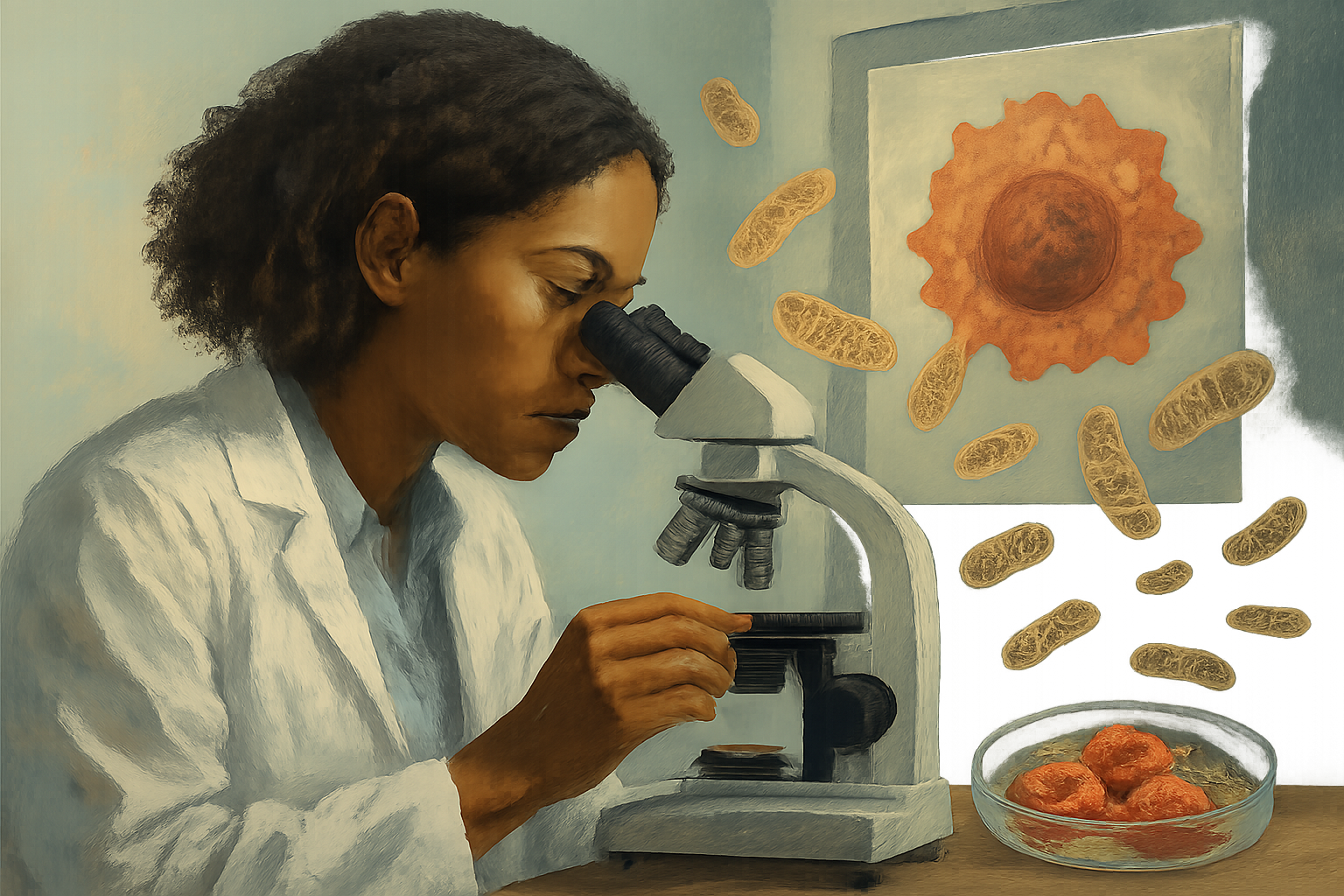
While these findings highlight a promising potential treatment strategy, they represent early-stage laboratory research. It is not yet determined whether interfering with NAD metabolism will be safe or effective in patients. More studies, including human clinical trials, will be needed to explore these questions and assess any possible harms.
Possible Implications
This research opens the possibility of creating therapies that specifically target the energy needs of cancer stem cells in high-risk MDS. If successful, such treatments could improve outcomes by eliminating the cells that drive cancer progression and relapse, with potentially fewer side effects than current therapies. However, these benefits remain theoretical until confirmed by further research.
Source: ScienceDaily Medical
Paste the copied caption into your Instagram post. Caption links are not clickable; add the article URL to a Story link sticker or your profile link.
Open Instagram