Childhood Measles Vaccination Rates Have Fallen Globally Since COVID-19
A new study reveals that disruptions to routine vaccinations and strained health systems have led to a worldwide drop in measles immunization for young children, with measles cases rising notably since 2019.
Paste the copied caption into your Instagram post. Caption links are not clickable; add the article URL to a Story link sticker or your profile link.
Open InstagramFor information, not personal medical advice. Discuss treatment decisions with a qualified clinician.
Key takeaways
- Global childhood measles vaccination rates have significantly declined since the COVID-19 pandemic, reversing years of progress in disease control.
- Estimated worldwide measles cases increased approximately 40% from 11.1 million in 2019 to 15.6 million in 2023, raising concerns about outbreaks and higher mortality.
- Disruptions to immunization programs and under-resourced health systems during and after the pandemic contributed to decreased vaccination coverage.
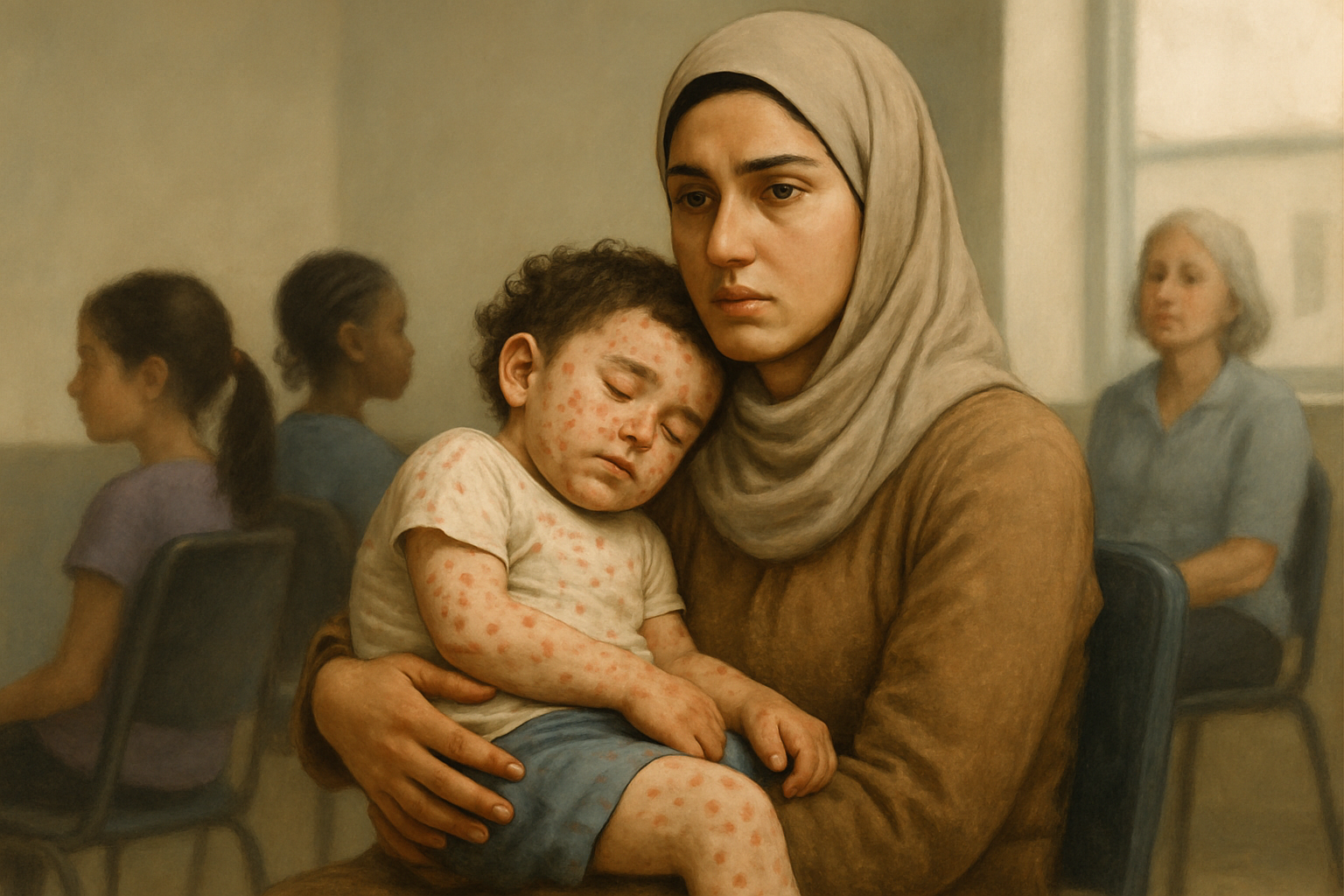
A recent large-scale study led by researchers at the University of Queensland has found a significant global decline in childhood measles vaccination rates following the COVID-19 pandemic. The team analyzed data from 204 countries and territories over more than three decades, from 1990 through 2023, focusing on measles cases, deaths, and vaccination coverage among children under the age of five.
Study Findings and Evidence
The study found that disruptions to routine immunization programs, alongside under-resourced health systems during and after the pandemic, contributed to a marked decrease in measles vaccine coverage. Estimated measles cases worldwide increased by about 40%, rising from 11.1 million cases in 2019 to 15.6 million in 2023.
The data suggest that the decline in vaccination coverage has reversed years of progress in controlling measles, a highly contagious viral disease that can cause severe complications and death in young children. This resurgence raises concerns about the risk of outbreaks and increased measles-related mortality moving forward.
Limitations and Uncertainties
While the study offers extensive epidemiological modeling across many countries and years, it is important to note that variations in data quality and reporting across regions may affect exact estimates. Additionally, the study focuses on estimating cases and vaccine coverage gaps but does not provide new clinical trial data on vaccine efficacy or safety.
Potential Implications
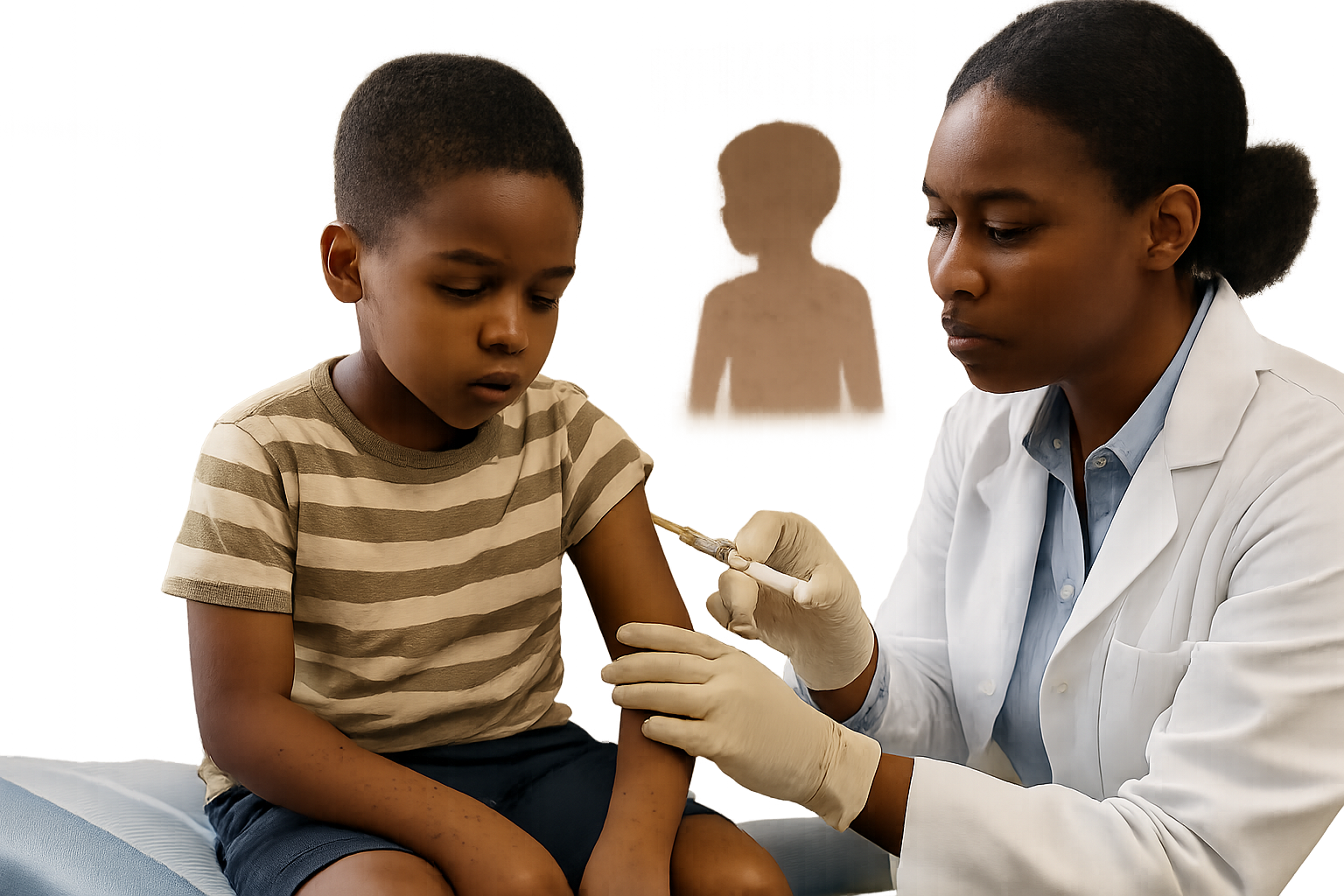
The findings highlight the urgent need to strengthen routine immunization services worldwide, especially in under-resourced settings, to prevent further increases in measles cases and deaths. The study underscores how global health crises like COVID-19 can disrupt essential preventive care, emphasizing the importance of resilient health systems capable of maintaining vaccination programs during emergencies.
Source: Medical Xpress
Paste the copied caption into your Instagram post. Caption links are not clickable; add the article URL to a Story link sticker or your profile link.
Open Instagram