Continuously Evolving Cells Help Pancreatic Cancer Evade Treatment and Spread
Research analyzing hundreds of thousands of pancreatic cancer cells reveals how these cells continuously change their genetics, helping the cancer resist treatment and spread within the body.
Paste the copied caption into your Instagram post. Caption links are not clickable; add the article URL to a Story link sticker or your profile link.
Open InstagramFor information, not personal medical advice. Discuss treatment decisions with a qualified clinician.
Key takeaways
- Pancreatic cancer cells continuously evolve genetically, helping them resist treatment and spread to other parts of the body.
- The study analysed nearly half a million individual cancer cells from patient tumors, revealing detailed genetic diversity and dynamic changes.
- Further research is needed to identify key genetic changes driving resistance and to develop new treatments targeting cancer cell adaptability.
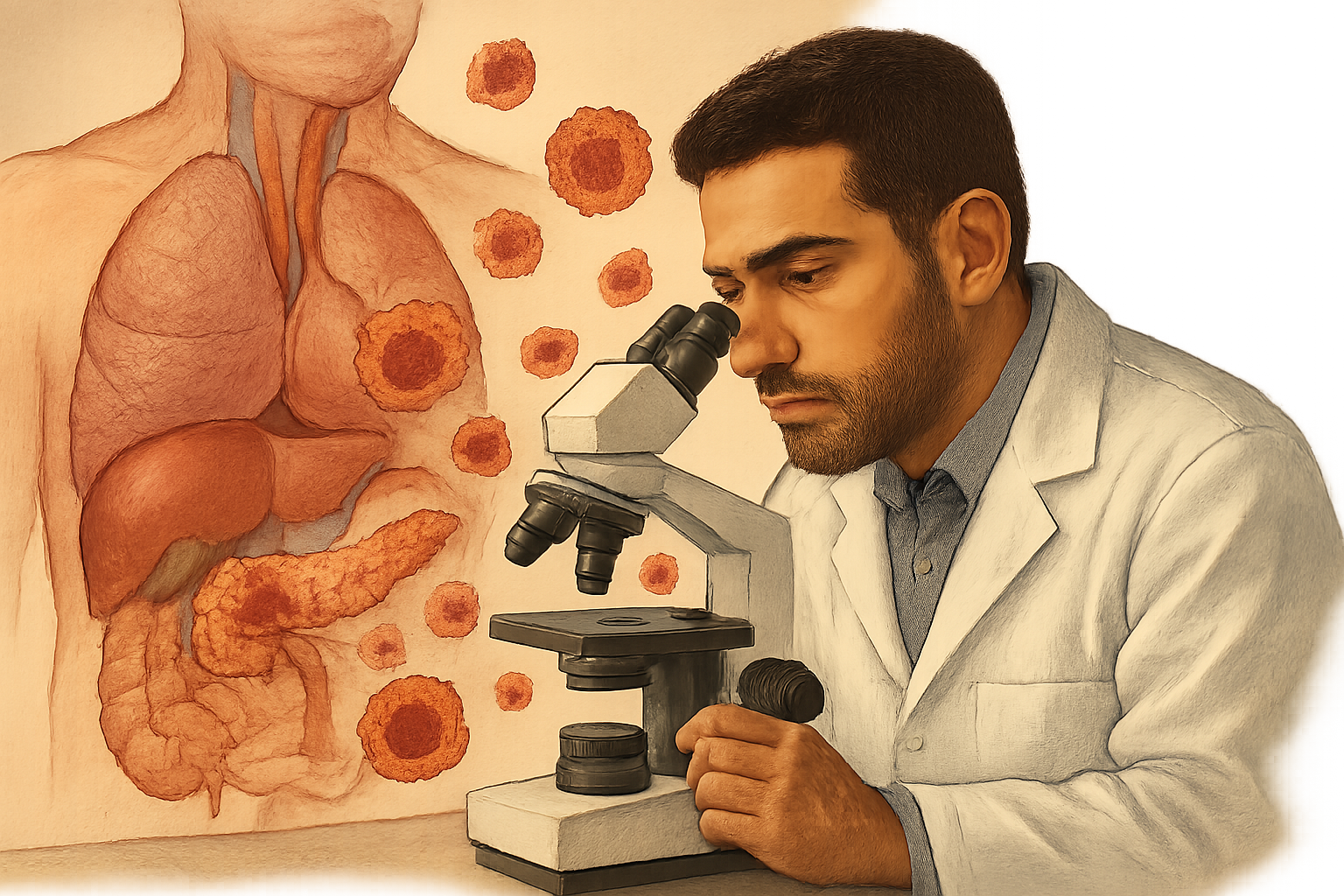
Pancreatic cancer is one of the deadliest types of cancer, often resisting treatment and spreading quickly. New research has studied nearly half a million individual cells taken from tumors of dozens of patients with pancreatic cancer. This large-scale analysis helps scientists understand how cancer cells adapt over time.
How Cancer Cells Change to Avoid Treatments
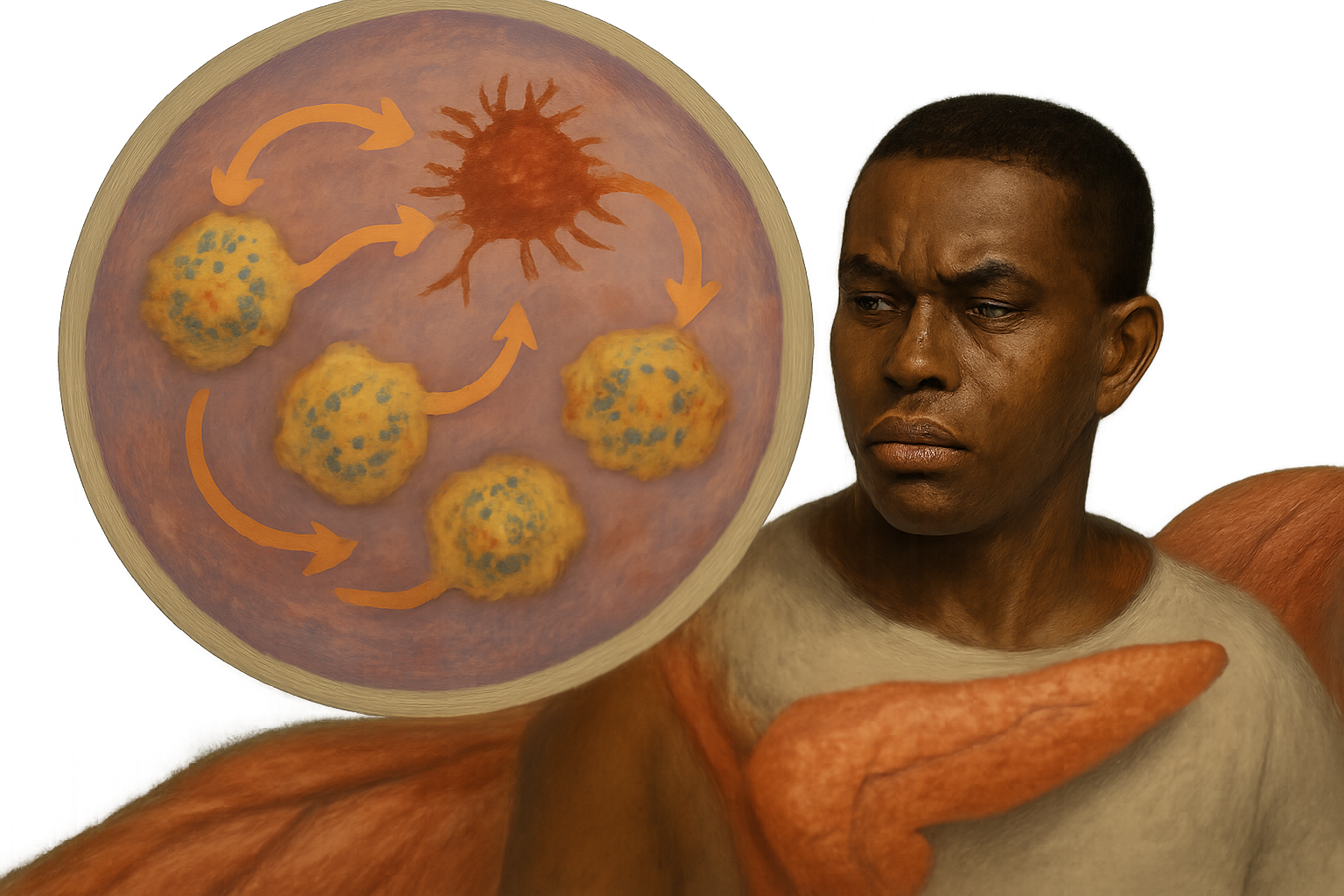
The study found that pancreatic cancer cells do not remain genetically static. Instead, they continuously reshape or evolve their genetic makeup. This ongoing change appears to help the cancer cells survive despite treatment efforts and spread to other parts of the body.
Evidence Behind the Findings
The research examined thousands of single cells directly from human tumors. This approach allows detailed observation of the genetic diversity within the cancer, revealing the dynamic and evolving nature of the cells. Unlike previous studies that looked only at tumor samples as a whole, this cell-level analysis uncovers how individual cancer cells develop new genetic traits.
Limitations and Remaining Questions
While the study provides valuable insight into how pancreatic cancer cells adapt, it does not yet explain exactly which genetic changes are most responsible for treatment resistance or how to block this evolution. It also does not directly show improved treatments based on these findings.
Understanding these evolving cancer cell populations is complex, and more research is needed before new therapies can be developed to overcome this challenge.
Possible Implications
Recognizing that pancreatic cancer cells continuously evolve suggests that future therapies may need to target this adaptability itself or focus on multiple genetic traits simultaneously. This approach might help prevent cancer cells from escaping treatment.
Though the findings improve scientific knowledge of pancreatic cancer behavior, they represent an early step toward better treatment strategies rather than a near-term cure.
Source: Medical Xpress
Paste the copied caption into your Instagram post. Caption links are not clickable; add the article URL to a Story link sticker or your profile link.
Open Instagram