Drug Combination That Lowers Tissue Oxygen Levels Eases Parkinson's Symptoms in Mice
Researchers found that two small-molecule drugs reducing oxygen delivery to brain cells helped improve signs of neurodegeneration in a mouse model of Parkinson's disease, supporting earlier findings linking high oxygen levels with neuron damage.
Paste the copied caption into your Instagram post. Caption links are not clickable; add the article URL to a Story link sticker or your profile link.
Open InstagramFor information, not personal medical advice. Discuss treatment decisions with a qualified clinician.
Key takeaways
- A drug combination that lowers oxygen delivered to brain cells improved Parkinson's-like symptoms in a mouse model, supporting earlier findings linking high brain oxygen to neuron death.
- Research used chemically induced oxygen reduction rather than lower breathing oxygen, showing potential neuroprotective effects in Parkinson's disease models.
- Findings are limited to mice; effects and safety of reducing oxygen in human brain cells remain unknown, highlighting need for further studies before clinical application.

What the Researchers Found
A team from the Broad Institute has studied the effects of a combination of two small-molecule chemicals designed to reduce oxygen levels delivered to cells. In a mouse model of Parkinson's disease, this combination helped improve symptoms related to neurodegeneration. These findings build on earlier research which suggested that excessive oxygen in the brain may contribute to neuronal death in Parkinson's disease.
Understanding the Evidence
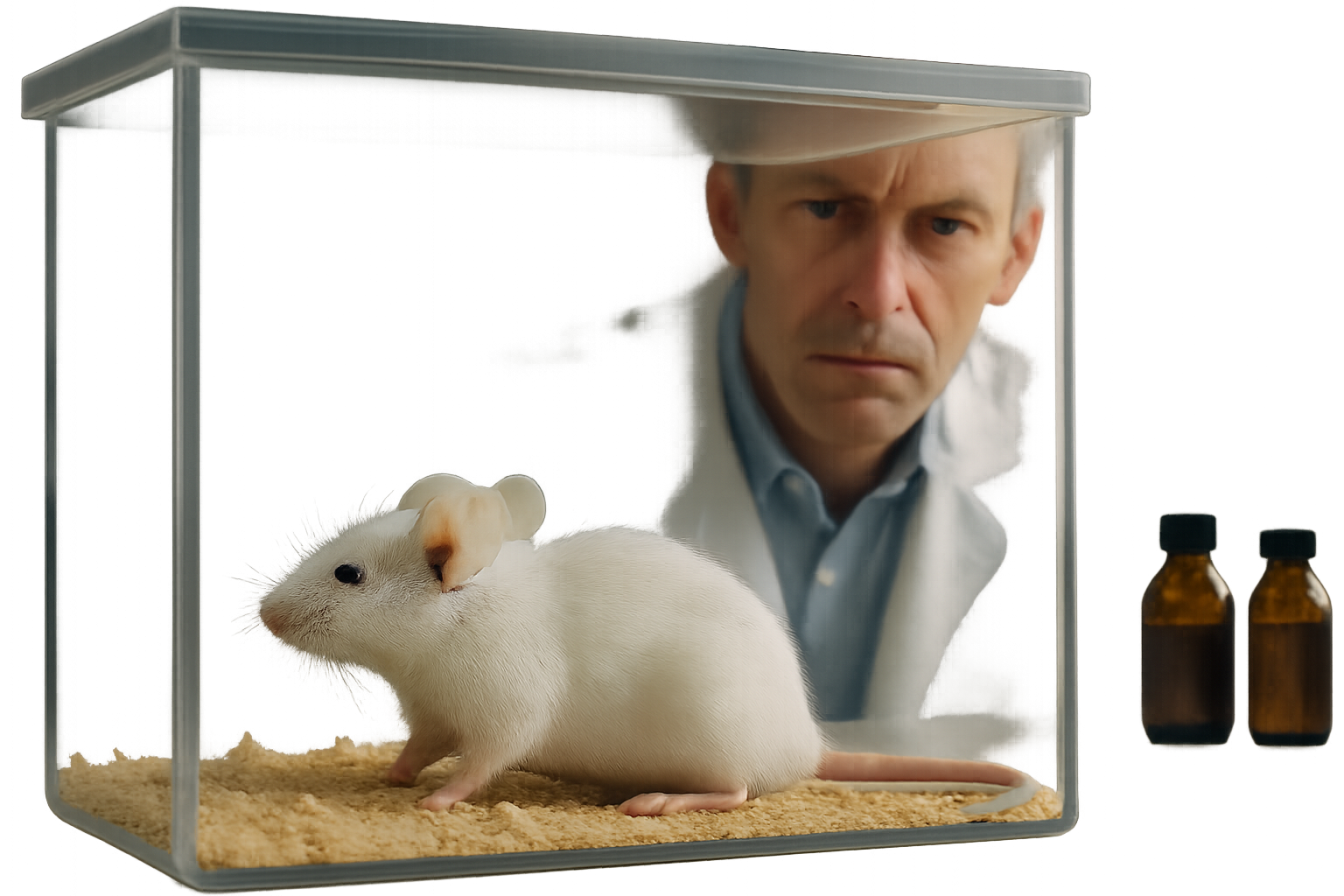
The current research was conducted in mice engineered to mimic features of Parkinson's disease. The scientists gave the mice a combination of two drugs that reduce how much oxygen their brain cells receive. The mice showed improvements in symptoms commonly seen in Parkinson's models, suggesting neuroprotective effects.
Prior evidence from the same group indicated a link between high oxygen levels and neuron damage in Parkinson's. Lowering the oxygen that the mice breathed was previously shown to reverse some symptoms. This study adds to that by demonstrating similar benefits through chemical reduction of oxygen delivery at the cellular level.
Important Limitations
These findings are from laboratory animal studies. Mice models do not fully replicate the complexity of Parkinson's disease in humans, so it is unclear whether reducing oxygen delivery with these drugs would have similar benefits in people.
Also, reducing oxygen delivery systemically or to brain cells could have harmful effects not captured in the study. Oxygen is essential for normal cell function, and lowering it too much may cause tissue damage or other health problems.
What This Might Mean Going Forward
The work suggests a promising new area for Parkinson's disease research focused on oxygen levels in brain tissue. However, further studies in animals and eventually humans are necessary to understand safety, dosing, and effectiveness. Currently, no approved Parkinson's treatments exist that work by reducing brain oxygen levels.
For now, these results offer a better understanding of Parkinson's disease mechanisms and a potential direction for future therapies, but patients should not expect immediate clinical applications.
Source: Medical Xpress
Paste the copied caption into your Instagram post. Caption links are not clickable; add the article URL to a Story link sticker or your profile link.
Open Instagram