Drug could help protect salivary glands during radiation treatment
A new drug under study aims to protect salivary glands from radiation damage that causes problems like difficulty eating and swallowing.
Paste the copied caption into your Instagram post. Caption links are not clickable; add the article URL to a Story link sticker or your profile link.
Open InstagramFor information, not personal medical advice. Discuss treatment decisions with a qualified clinician.
Key takeaways
- A drug identified by University of Missouri researchers shows potential to protect salivary glands from radiation damage during head and neck cancer treatment.
- Damage to salivary glands from radiation can cause dry mouth and difficulties with eating, swallowing, speaking, and oral health.
- Current findings are based on laboratory research with no reported clinical trials, so safety and effectiveness in humans remain unknown.
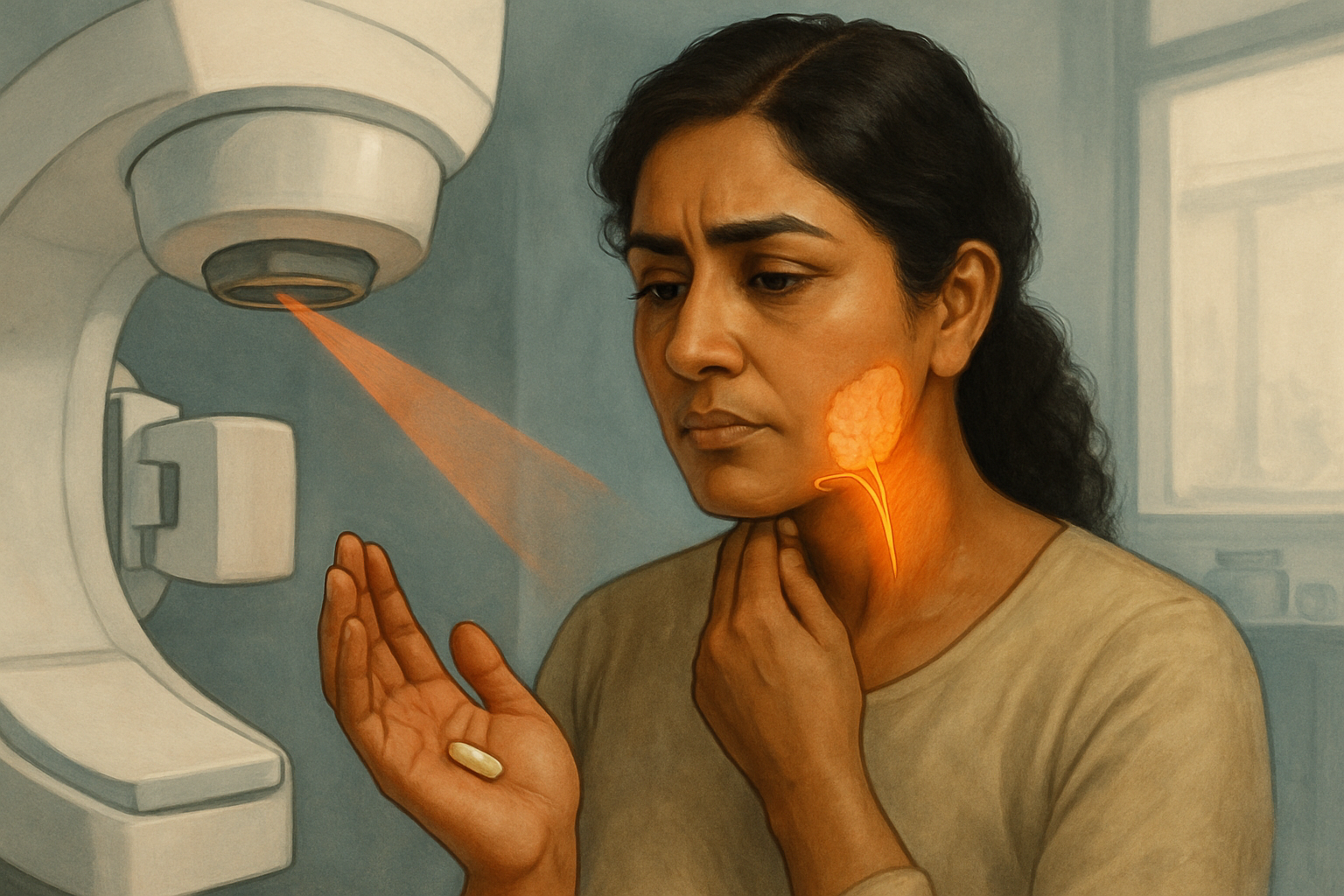
Radiation therapy for cancers in the head and neck area often damages salivary glands, which produce saliva needed for eating, swallowing, speaking, and maintaining oral health. This damage can lead to dry mouth and significant discomfort.
What the research found
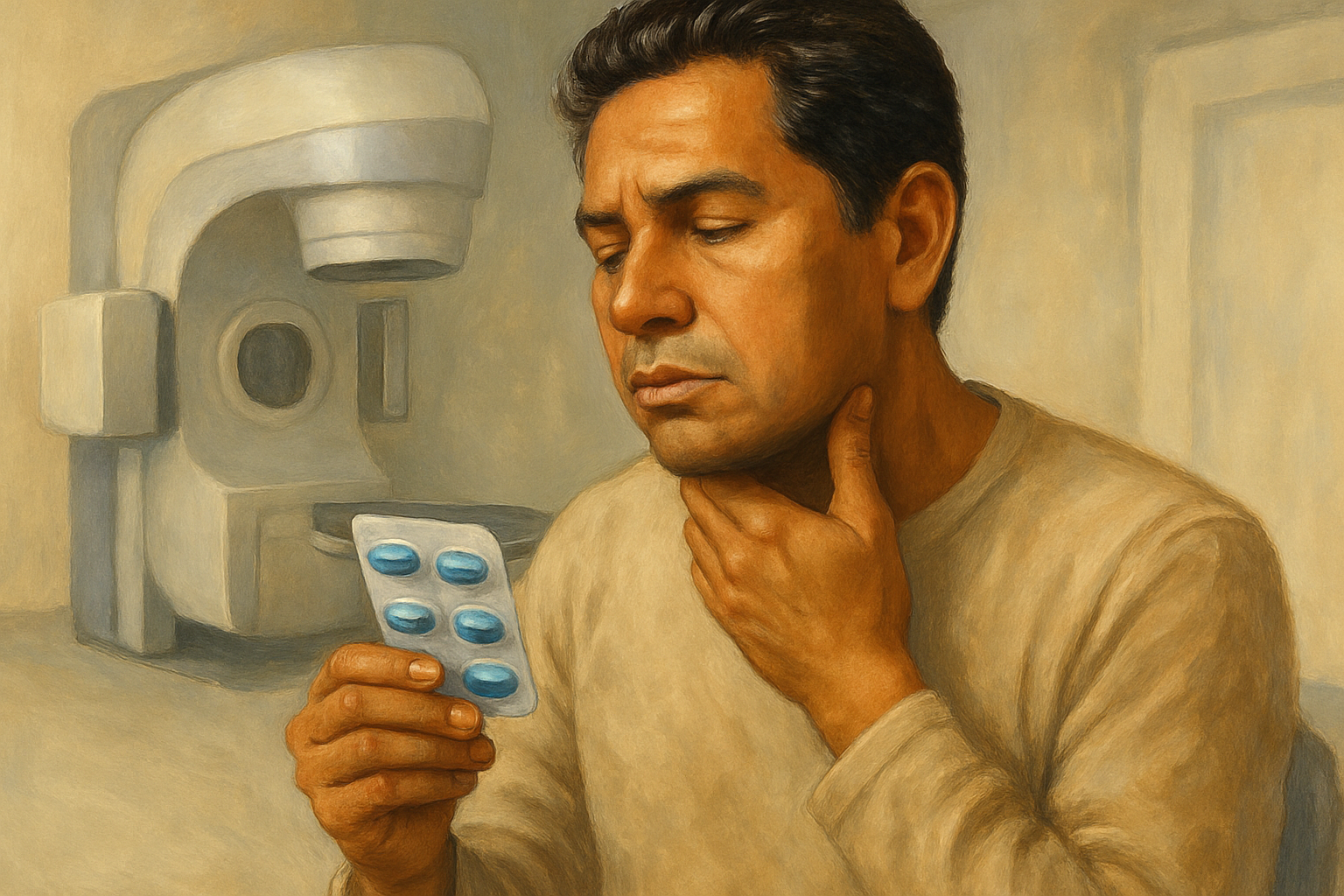
Researchers at the University of Missouri have identified a drug that shows potential in protecting the saliva-producing glands from radiation damage. This could help reduce side effects that disrupt daily life, such as difficulty swallowing, eating, and maintaining oral hygiene.
Evidence supporting the finding
The discovery comes from laboratory research conducted by the team. Details about testing in animals or humans have not been provided, so it remains unclear how well the drug works outside of initial studies.
Limitations and uncertainties
Because the research is preliminary, it is not yet known if the drug will be safe and effective in patients undergoing radiation therapy. There are no results from clinical trials in humans reported. Additionally, the specific drug, its mechanism, dosage, and potential side effects have not been detailed.
Possible implications
If further research confirms these findings, this drug could improve quality of life for patients receiving radiation treatment by protecting their salivary glands from injury. However, more research including human trials is essential before this approach can be offered clinically.
Source: Medical Xpress
Paste the copied caption into your Instagram post. Caption links are not clickable; add the article URL to a Story link sticker or your profile link.
Open Instagram