Ebola Vaccine Trial to Start Soon in DR Congo, Says WHO
The World Health Organization (WHO) announced that the first clinical trial of an Ebola vaccine in the Democratic Republic of Congo (DR Congo) is planned to start by the end of October.
Paste the copied caption into your Instagram post. Caption links are not clickable; add the article URL to a Story link sticker or your profile link.
Open InstagramFor information, not personal medical advice. Discuss treatment decisions with a qualified clinician.
Key takeaways
- The World Health Organization will start the first clinical trial of an Ebola vaccine in the Democratic Republic of Congo by the end of October.
- This initial trial focuses on assessing the vaccine's safety and immune response in people, as its effectiveness in preventing Ebola is still unproven.
- Access to the vaccine outside clinical trials has not been established, and larger trials are needed before it can be considered a proven preventive measure.
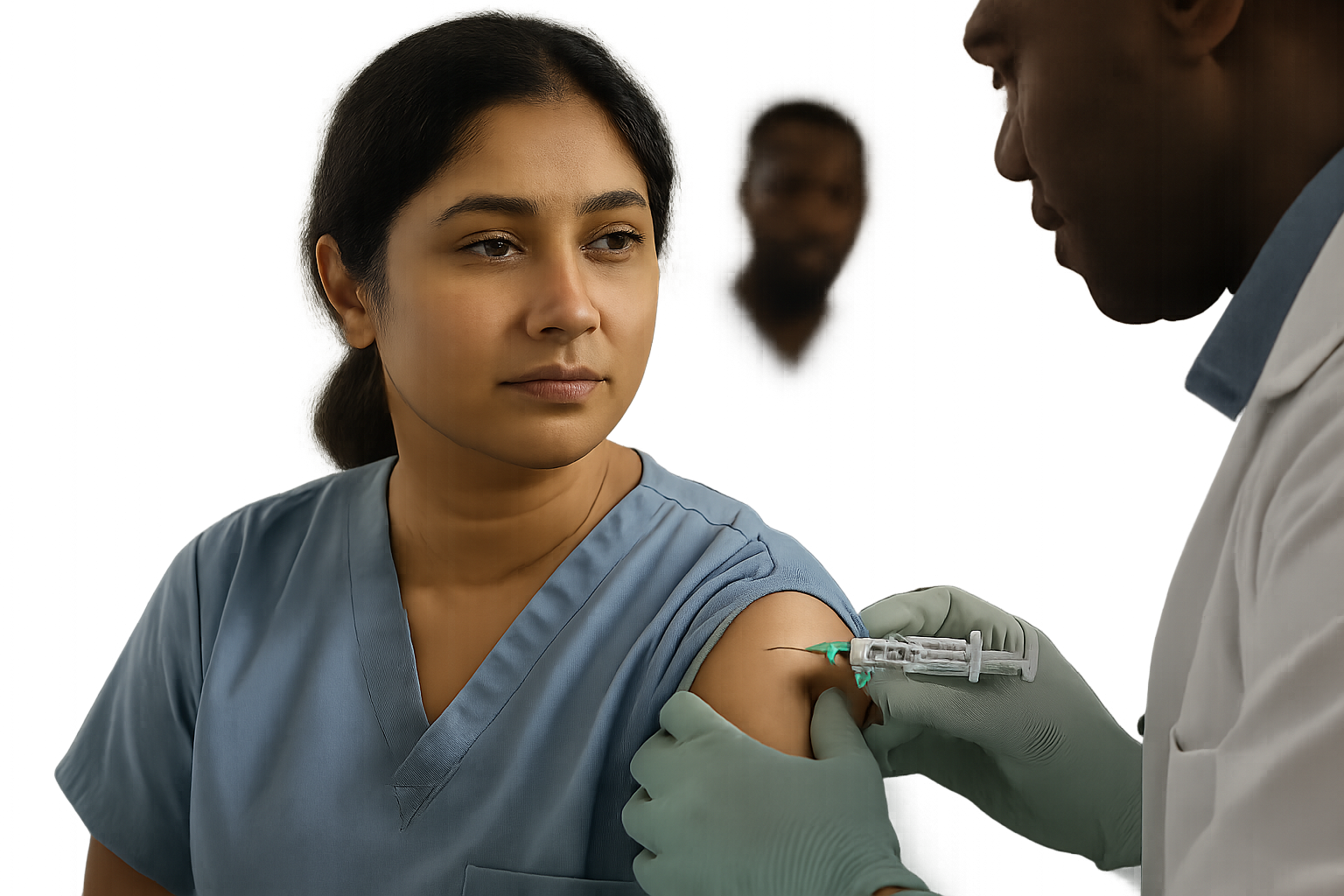
The World Health Organization has confirmed that the first clinical trial of a vaccine against Ebola will begin in the Democratic Republic of Congo within weeks, likely by the end of October. This marks a significant step in efforts to combat Ebola outbreaks, which have long posed serious health threats in the region.
What is happening?
The planned clinical trial will test the safety and immune response of an Ebola vaccine in people. The vaccine under study has not yet been widely tested in humans, so this initial trial will provide important early data about how well it works to prevent Ebola infection and what side effects it might cause.
Current evidence and purpose of the trial
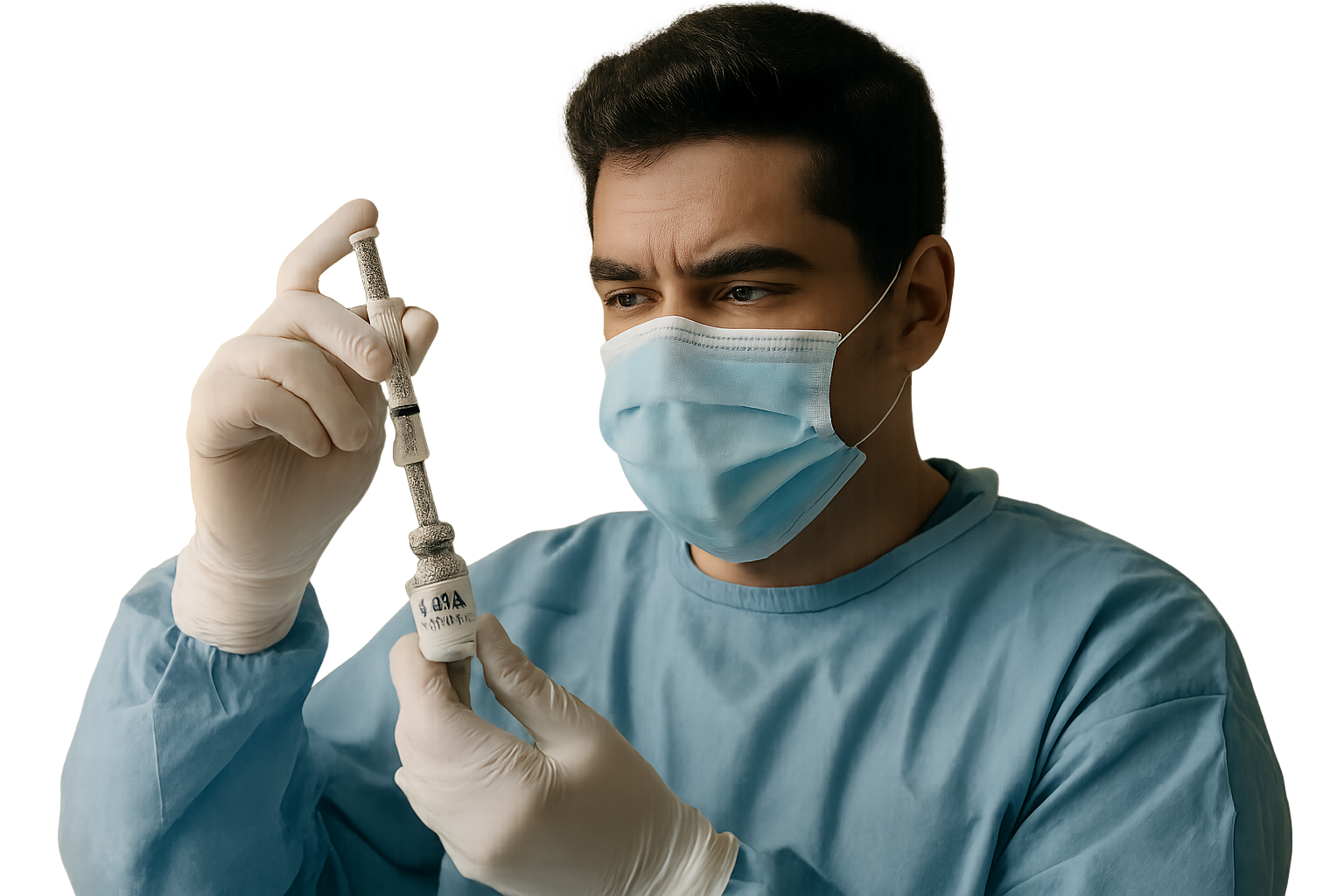
Before this clinical trial, evidence on the vaccine may have come from laboratory (preclinical) studies and possibly animal tests, but human testing is a necessary next step to evaluate the vaccine's effects on actual patients. This phase of research aims to establish initial safety and to gather information about how the human immune system responds to the vaccine.
Limitations and what is not known
At this stage, the vaccine's ability to prevent Ebola disease in the general population remains unproven. Early clinical trials typically involve small numbers of participants and primarily focus on safety rather than effectiveness. Larger, later-stage trials will be necessary to determine how well the vaccine protects people. Additionally, any risks or side effects associated with the vaccine will need careful monitoring as more people receive it.
It is also important to note that access to the vaccine outside clinical trials, especially in Canada, the United States, or other countries, has not been established.
Possible implications
If successful, this trial could pave the way for larger studies and eventually the availability of an effective Ebola vaccine. This would be a key advancement in preventing outbreaks and saving lives during future Ebola epidemics. However, until comprehensive trial results are available, the vaccine remains experimental and is not yet a proven treatment or preventive measure.
Source: Medical Xpress
Paste the copied caption into your Instagram post. Caption links are not clickable; add the article URL to a Story link sticker or your profile link.
Open Instagram