Enhanced CAR T-cell Therapy Shows Early Promise for B-cell Cancers in First Human Trial
A Phase I trial led by Ohio State University reports encouraging early results using an enhanced CAR T-cell therapy for patients with relapsed or treatment-resistant B-cell cancers, offering potential improvements in treatment options.
Paste the copied caption into your Instagram post. Caption links are not clickable; add the article URL to a Story link sticker or your profile link.
Open InstagramFor information, not personal medical advice. Discuss treatment decisions with a qualified clinician.
Key takeaways
- A Phase I trial at OSUCCC—James tested an enhanced CAR T-cell therapy in patients with relapsed or treatment-resistant B-cell cancers, focusing on safety and feasibility.
- Early results show the therapy is safe enough for human testing and may help control cancers resistant to prior treatments, but findings are preliminary.
- Further large-scale studies are necessary to confirm benefits, evaluate risks, and compare with existing therapies before this enhanced CAR T therapy can be widely used.
What the research studied
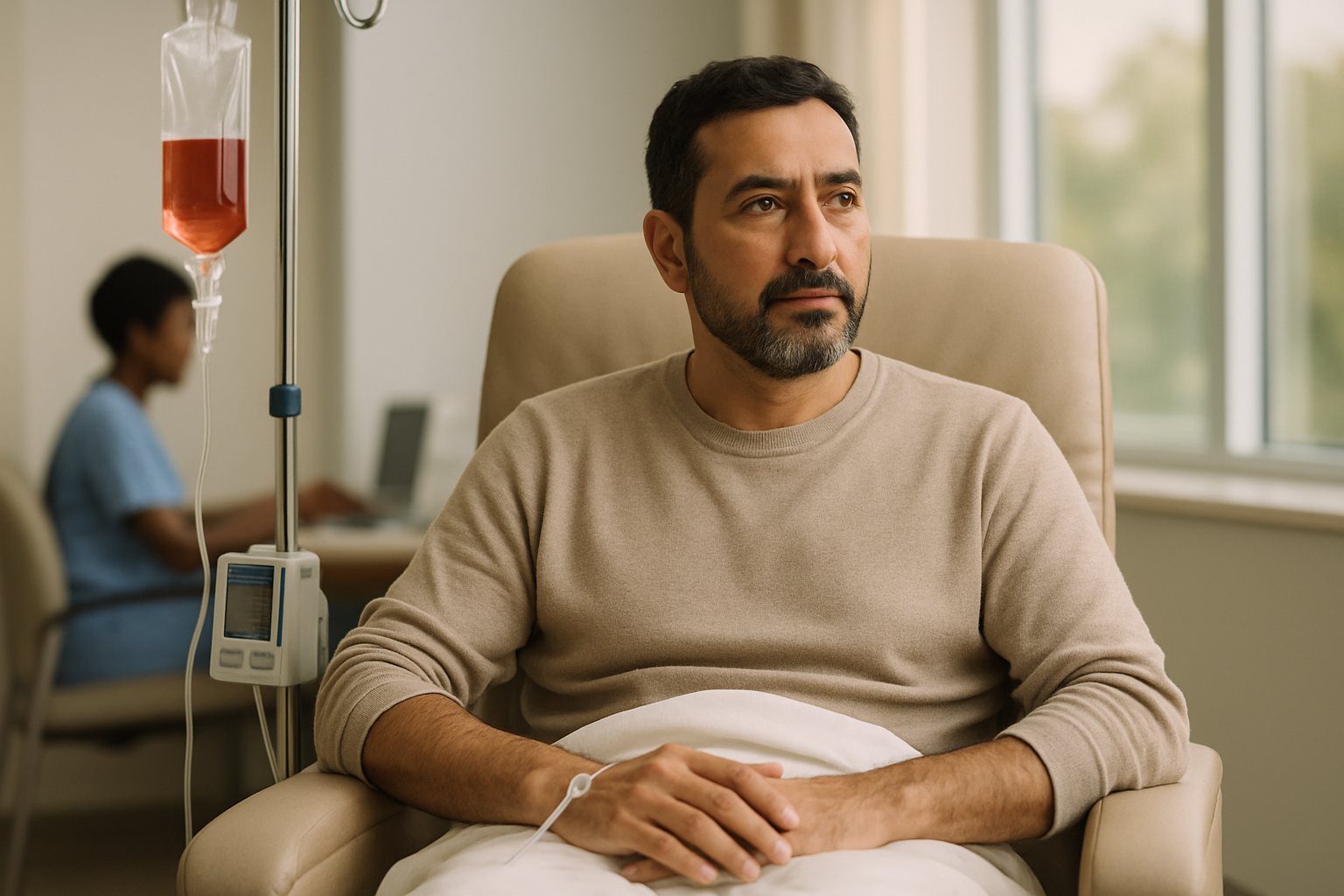
A Phase I clinical trial conducted at The Ohio State University Comprehensive Cancer Center—Arthur G. James Cancer Hospital and Richard J. Solove Research Institute (OSUCCC—James) investigated an enhanced form of CAR T-cell therapy in patients with B-cell blood cancers that had returned after prior treatments or were resistant to standard therapies.
What is CAR T-cell therapy?
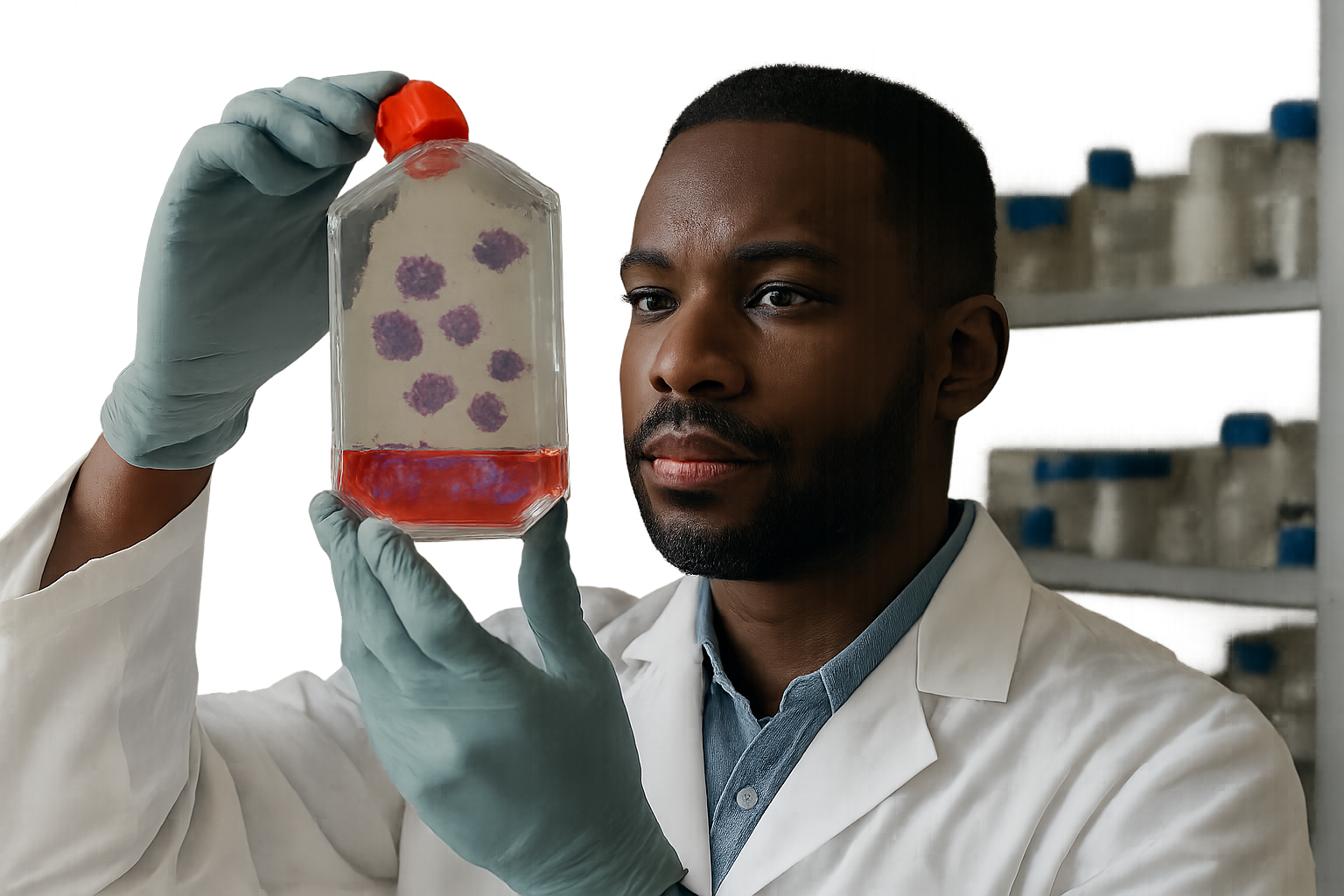
CAR T-cell therapy involves modifying a patient’s own immune cells (T cells) to better recognize and attack cancer cells. It is a known treatment for some B-cell cancers, but researchers are working to improve its effectiveness and reduce relapse.
Key findings from this early human trial
- The trial showed that the enhanced CAR T-cell approach is safe enough to be tested in humans at this stage.
- There were encouraging signs that the therapy could help control cancers that had relapsed or resisted prior therapies.
- The findings are preliminary but indicate a possible way to improve options for hard-to-treat B-cell malignancies.
Limitations and uncertainties
This was a Phase I trial, meaning its primary goal was to test safety and feasibility rather than effectiveness. The number of participants was limited, and longer-term results on how well the therapy controls cancer or affects patient survival are not yet available.
More extensive studies will be needed to confirm benefits, understand any harms better, and compare this new approach with existing treatments.
What this could mean for patients
If ongoing and future studies confirm these early positive signals, this enhanced CAR T-cell therapy might provide a new option for patients with difficult-to-treat B-cell cancers who have limited alternatives at present.
However, as of now, it remains an experimental therapy subject to further clinical evaluation and is not widely available.
Source: Medical Xpress
Paste the copied caption into your Instagram post. Caption links are not clickable; add the article URL to a Story link sticker or your profile link.
Open Instagram