Experimental Cataract Lens May Help Treat Glaucoma by Releasing Drugs Over Time
A new type of artificial lens designed for cataract surgery can gradually release a common glaucoma medication, potentially improving treatment by combining two procedures, early clinical trial results suggest.
Paste the copied caption into your Instagram post. Caption links are not clickable; add the article URL to a Story link sticker or your profile link.
Open InstagramFor information, not personal medical advice. Discuss treatment decisions with a qualified clinician.
Key takeaways
- An experimental artificial lens can be implanted during cataract surgery to release the glaucoma drug bimatoprost slowly over time, aiming to lower eye pressure without needing separate eye drops.
- Clinical trials presented at the American Academy of Ophthalmology meeting show promise but lack detailed data on participant numbers, treatment duration, safety, effectiveness, and comparison with existing glaucoma therapies.
- The lens is not yet approved; important questions remain about how long drug release lasts, potential side effects, impact on vision or disease progression, and long-term performance compared to current treatments.
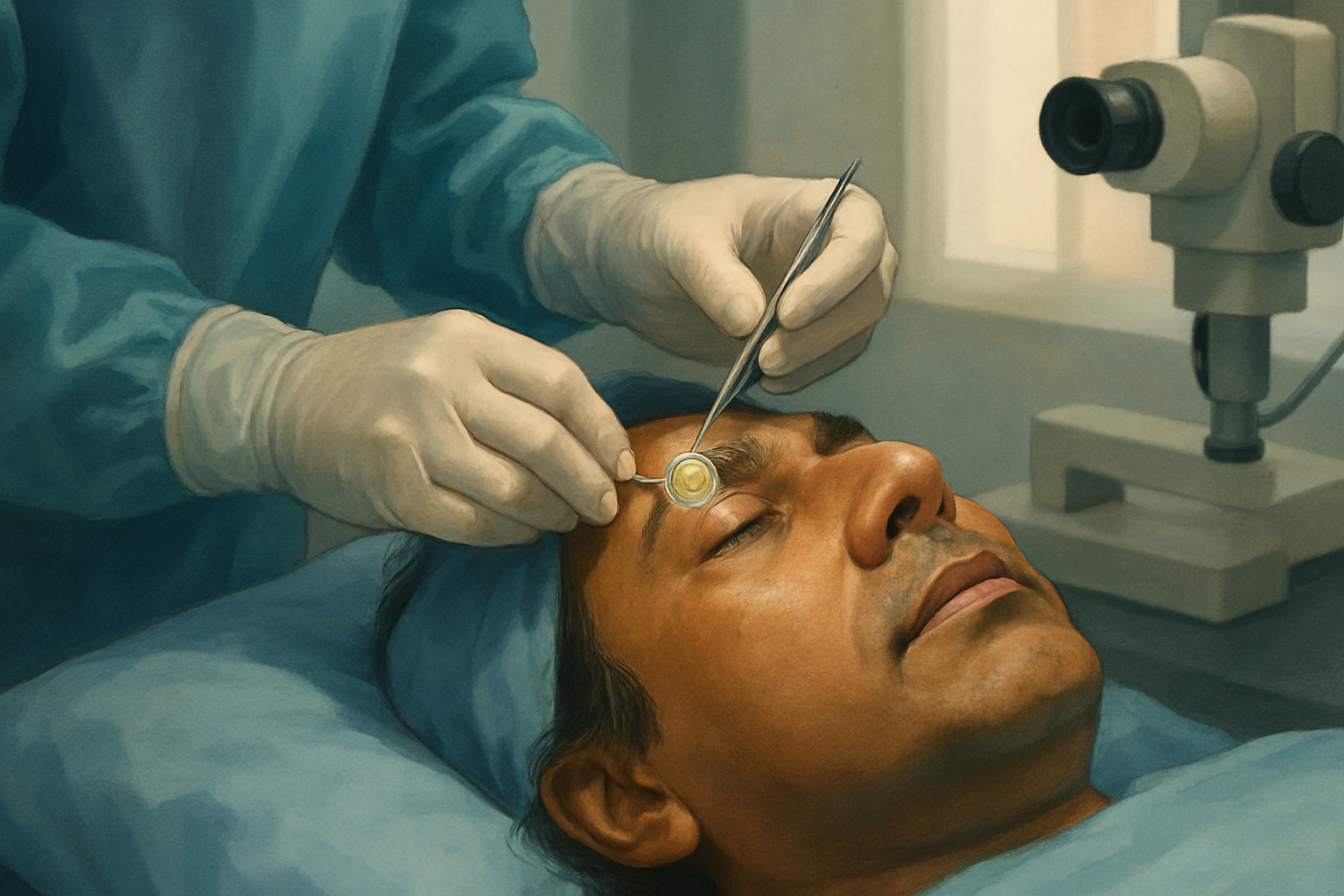
Researchers have developed an experimental artificial lens that can be implanted during cataract surgery and deliver a glaucoma medication called bimatoprost directly into the eye over an extended period. This innovation aims to treat glaucoma, a serious eye condition that can cause vision loss, by continuously lowering eye pressure without requiring separate eye drops.
How the Lens Works
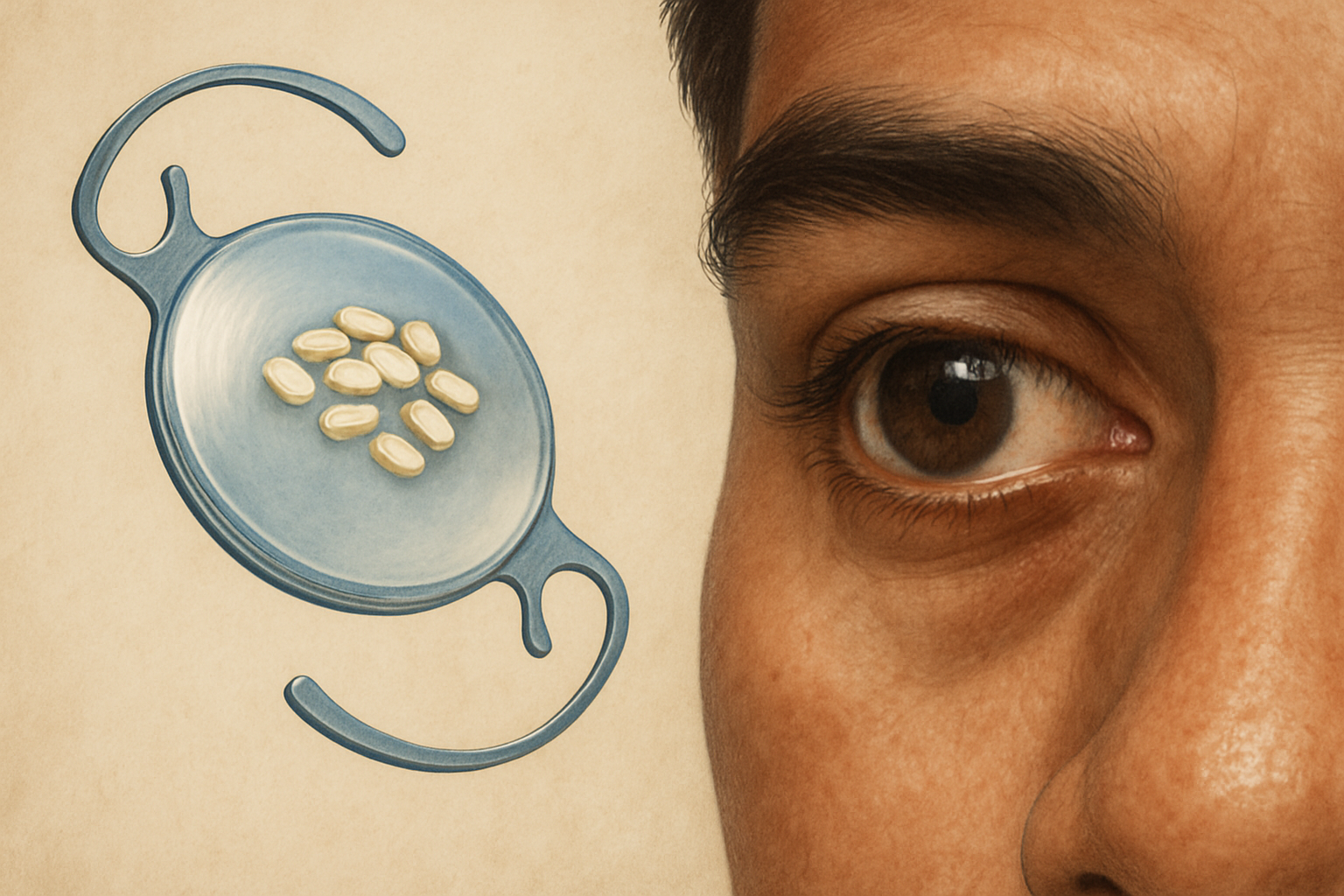
The lens is designed with tiny pads containing bimatoprost, a drug commonly used to reduce eye pressure in glaucoma patients. Once implanted, the lens releases the medication slowly, maintaining therapeutic levels inside the eye. This approach could help patients by reducing the need to use eye drops regularly, which many people find difficult to manage.
Evidence from Clinical Trials
At the annual meeting of the American Academy of Ophthalmology (AAO), researchers presented results from clinical trials involving this drug-releasing lens. These trials tested the lens in patients needing cataract surgery who also had glaucoma.
While the trials show promise, detailed information about the number of participants, duration, and the degree of pressure reduction compared to standard treatments has not been provided. More data are needed to confirm the lens’s safety, effectiveness, and how well it performs over time compared to existing glaucoma treatments.
Limitations and Uncertainties
This lens is still experimental. It is not yet clear how long the drug-release lasts after implantation, whether there are any side effects from sustained drug exposure inside the eye, or how the lens compares with current glaucoma therapies over the long term.
Additionally, it is important to distinguish that while lowering eye pressure is known to help manage glaucoma, the extent to which this lens improves patients’ vision or slows disease progression in everyday life is not yet certain.
Possible Implications
If future research supports these early findings, this lens could simplify treatment for patients with both cataracts and glaucoma by combining surgery with ongoing glaucoma medication delivery. This might improve adherence to treatment and reduce the burden of daily eye drops.
However, further large-scale clinical trials and regulatory approval will be required before this technology becomes widely available to patients.
Source: Medical Xpress
Paste the copied caption into your Instagram post. Caption links are not clickable; add the article URL to a Story link sticker or your profile link.
Open Instagram