Eye Tracking Could Help Virtual Reality Pain Therapy Adapt to Individual Needs
New research suggests that combining artificial intelligence (AI) with eye tracking technology in virtual reality (VR) may eventually allow personalized treatment approaches for people with chronic pain.
Paste the copied caption into your Instagram post. Caption links are not clickable; add the article URL to a Story link sticker or your profile link.
Open InstagramFor information, not personal medical advice. Discuss treatment decisions with a qualified clinician.
Key takeaways
- Researchers at the University of East Anglia are exploring the use of eye tracking combined with AI to adapt VR pain therapies in real time based on individual responses.
- Current research focuses on algorithm development and controlled lab testing, with no large-scale clinical trials or direct evidence yet proving improved outcomes.
- Further studies are needed to confirm if this technology can reliably enhance therapy for chronic pain and be effectively implemented across diverse patients in real-world settings.
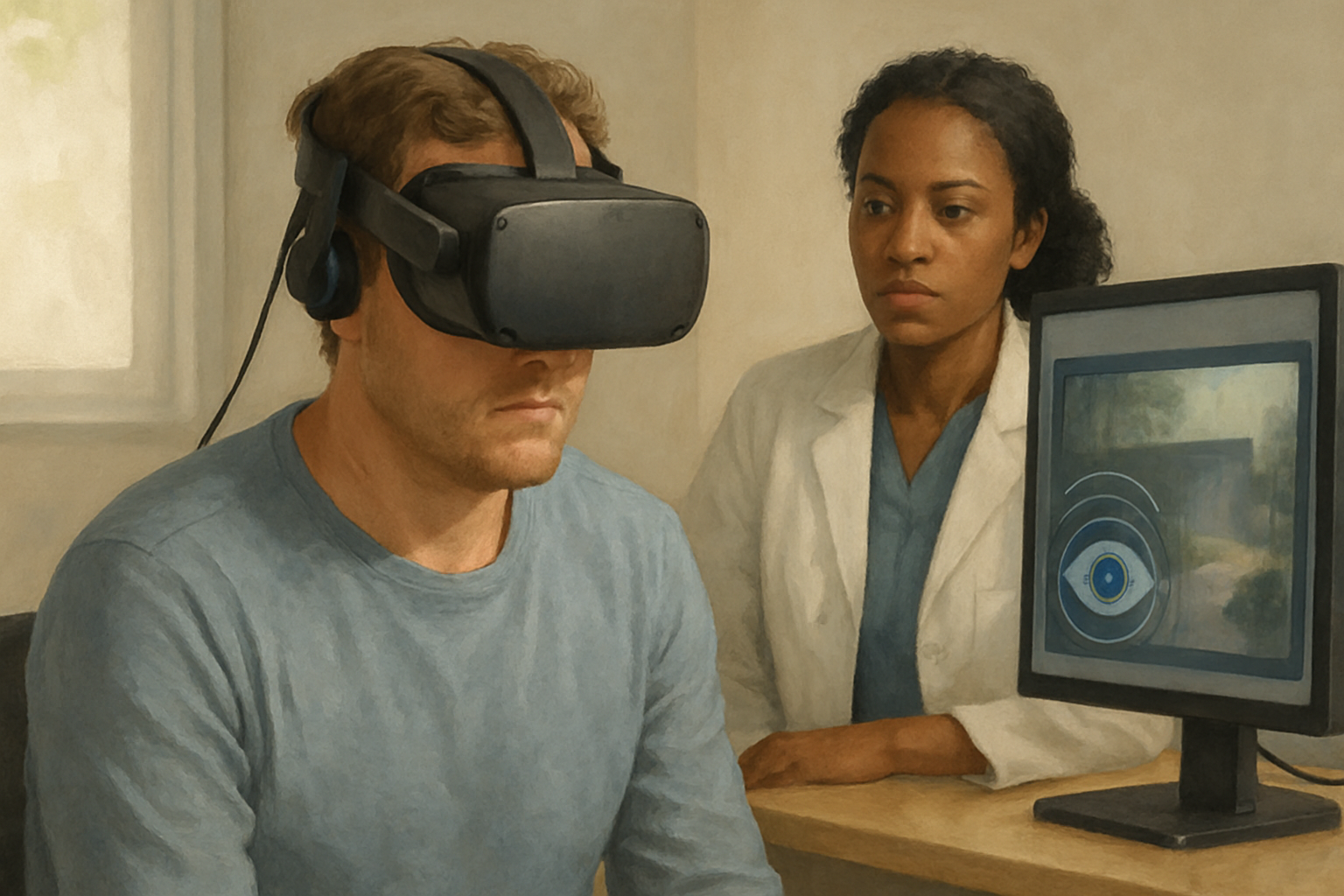
Chronic pain affects millions of people worldwide, often requiring tailored treatment strategies to effectively manage symptoms. Recent research conducted by the University of East Anglia explores a novel approach that could enhance virtual reality (VR) based pain therapies by adapting them in real time using eye tracking combined with artificial intelligence (AI).
What the Research Explores
The team investigated whether eye tracking data—monitoring exactly where and how a person looks during VR sessions—can provide meaningful insights into their pain experience and engagement with the therapy. By integrating AI, these insights could potentially be used to dynamically adjust the VR environment according to individual responses, creating a more personalized therapy experience.
Evidence and Current Status
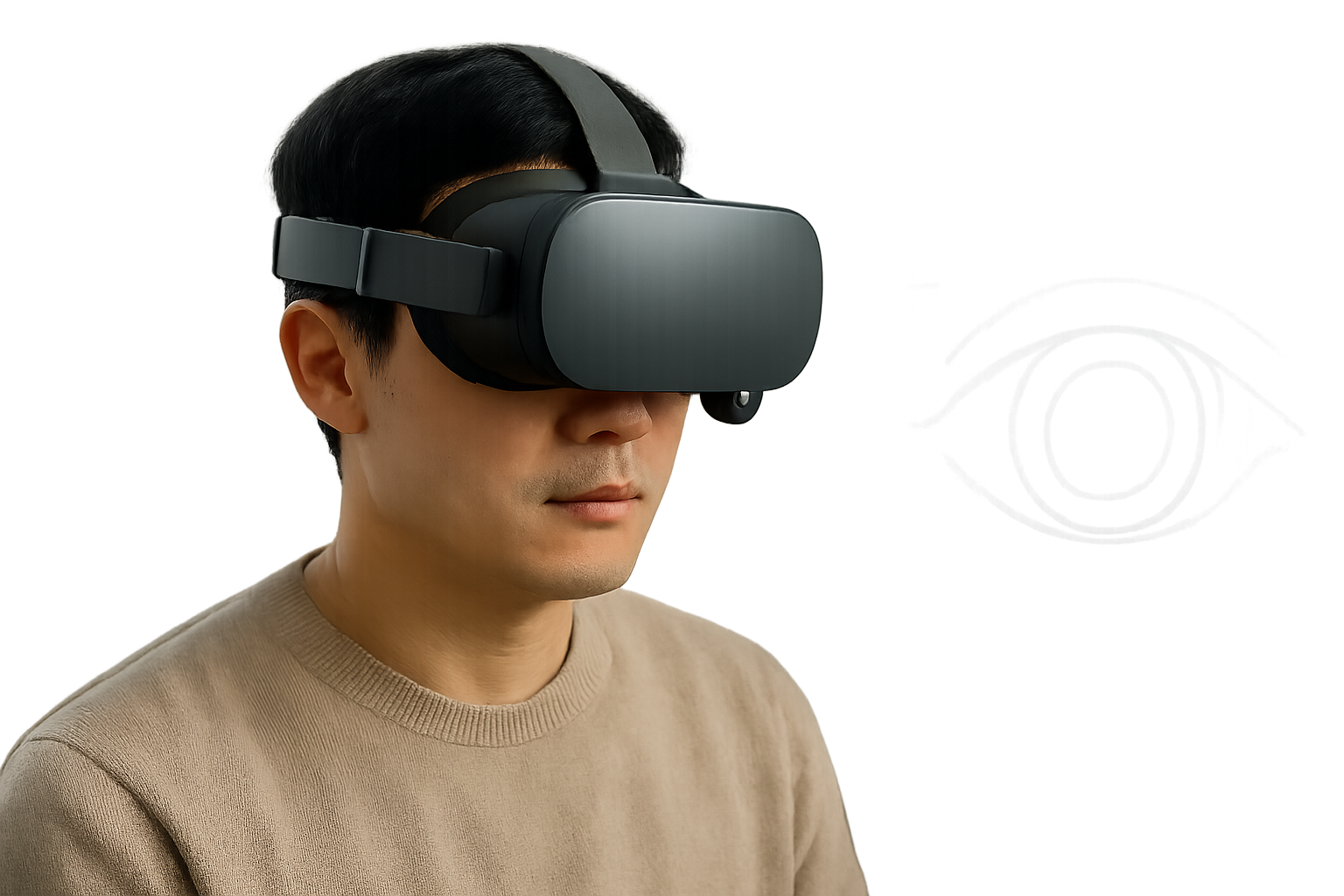
This research is an early step focusing on the technology's potential. It primarily involves developing and testing algorithms that analyze eye movement patterns in VR to infer pain and attention states. These findings come from controlled laboratory settings rather than from large-scale clinical trials.
Limitations and Uncertainties
The approach is promising but requires further research to establish whether eye tracking combined with AI can reliably improve therapy outcomes for patients with chronic pain. Currently, there is no direct evidence proving this method reduces pain or enhances patients' quality of life. The technology still needs to be tested in real-world clinical environments and across diverse patient groups.
Possible Implications
If future studies confirm its effectiveness, this approach could make VR pain therapies more adaptive and responsive to individual needs, potentially improving their benefit. It might enable healthcare providers to better monitor and tailor treatments remotely, though practical implementation challenges and accessibility would need to be addressed.
Source: Medical Xpress
Paste the copied caption into your Instagram post. Caption links are not clickable; add the article URL to a Story link sticker or your profile link.
Open Instagram