Fatty liver disease is actually five different conditions, scientists discover
Scientists have found that fatty liver disease, which affects nearly 30% of adults globally, is not a single disease but five distinct subtypes. Each subtype may carry different risks for liver failure, cancer, heart disease, and other complications.
Paste the copied caption into your Instagram post. Caption links are not clickable; add the article URL to a Story link sticker or your profile link.
Open InstagramFor information, not personal medical advice. Discuss treatment decisions with a qualified clinician.
Key takeaways
- Fatty liver disease is not a single condition but comprises five distinct biological subtypes with different impacts and risks.
- Research from Mayo Clinic identifies variation in disease progression and risk for complications such as liver failure, cancer, and heart disease.
- Further studies are necessary to determine the development, treatment responses, and clinical use of these subtypes.
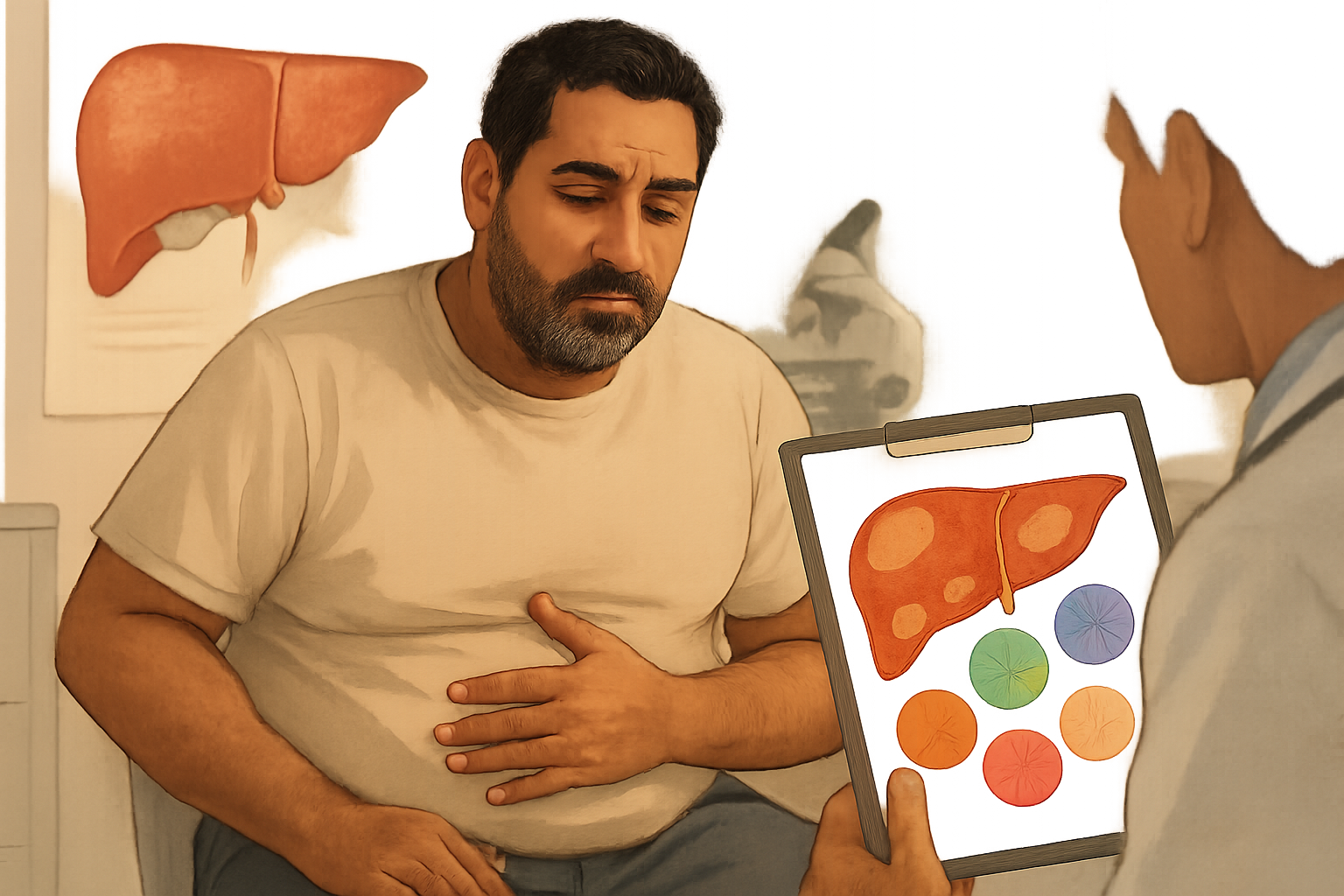
Fatty liver disease is commonly known as a buildup of fat in the liver that can lead to serious health problems. Recent research by Mayo Clinic scientists suggests that this disease is more complex than previously thought.
The New Finding
Researchers discovered that what is called fatty liver disease actually includes five separate biological subtypes. These subtypes differ in how they affect the body and the risk levels they carry for liver failure, cancer, heart disease, and other serious health issues.
The Evidence
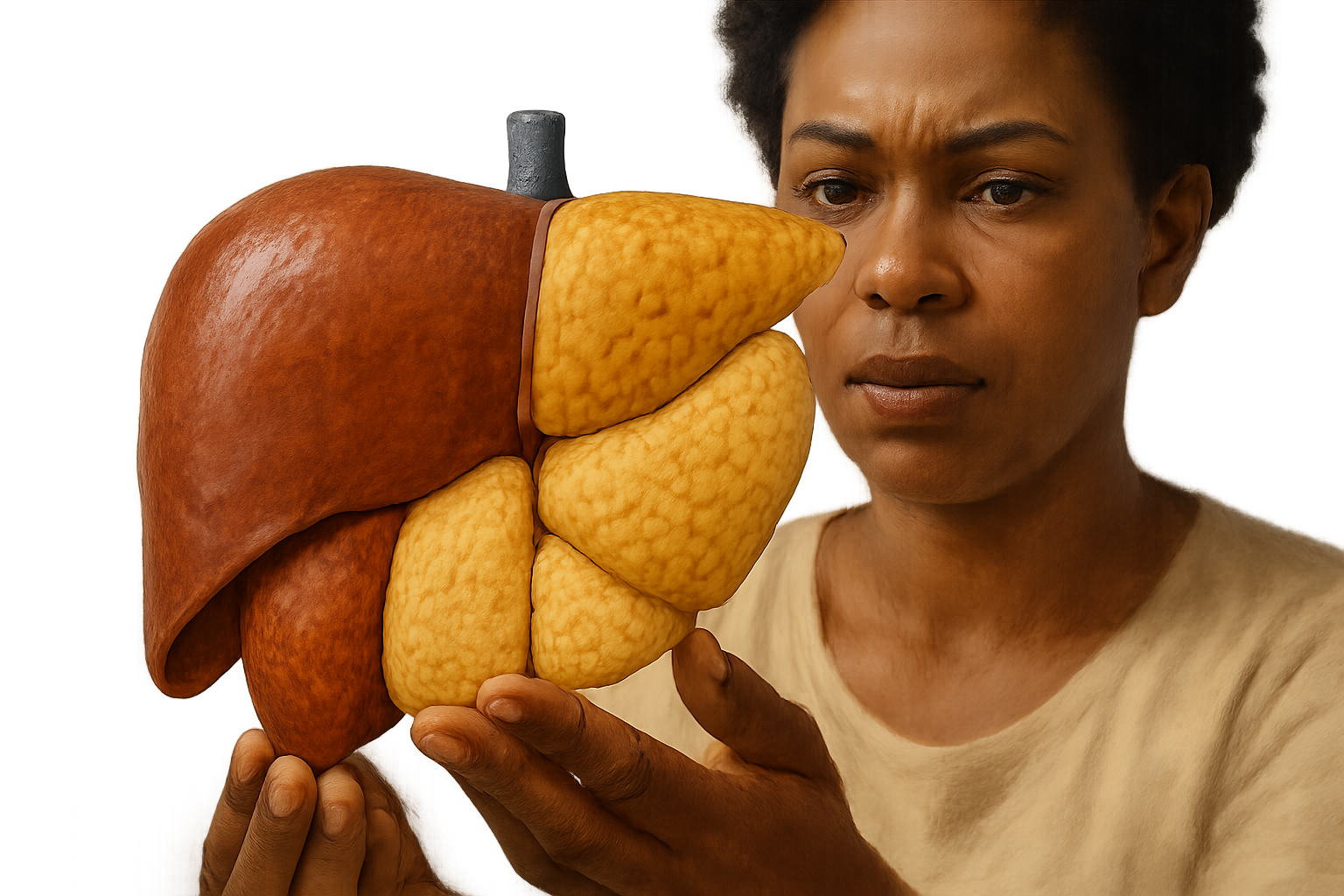
This finding comes from detailed scientific studies that looked at liver tissue and biological markers that distinguish one subtype from another. The research helps explain why patients with fatty liver disease can experience very different health outcomes.
Limitations and What Remains Unknown
Although these findings offer important insights, more research is needed to fully understand how each subtype develops and responds to treatment. It is not yet clear whether different treatments will be needed for each subtype or how this new classification will influence patient care.
Possible Implications
Recognizing fatty liver disease as multiple distinct conditions could lead to more personalized approaches to diagnosis and treatment. It may also improve how risks for liver failure, cancer, or heart disease are assessed in individuals with fatty liver disease.
Source: ScienceDaily Medical
Paste the copied caption into your Instagram post. Caption links are not clickable; add the article URL to a Story link sticker or your profile link.
Open Instagram