GLP-1 Receptor Agonists May Lead to Earlier Recurrence of NAION, Study Reports
A recent study presented at the American Academy of Ophthalmology meeting suggests that patients exposed to GLP-1 receptor agonists might experience an earlier second occurrence of nonarteritic anterior ischemic optic neuropathy (NAION).
Paste the copied caption into your Instagram post. Caption links are not clickable; add the article URL to a Story link sticker or your profile link.
Open InstagramFor information, not personal medical advice. Discuss treatment decisions with a qualified clinician.
Key takeaways
- NAION is a sudden vision loss from reduced optic nerve blood flow, sometimes affecting the second eye later (recurrent NAION).
- Patients exposed to GLP-1 receptor agonists experienced earlier second episodes of NAION compared to those not using these drugs.
- The study shows an association, not causation, and lacks detailed information on design, size, and timing to fully assess clinical impact.
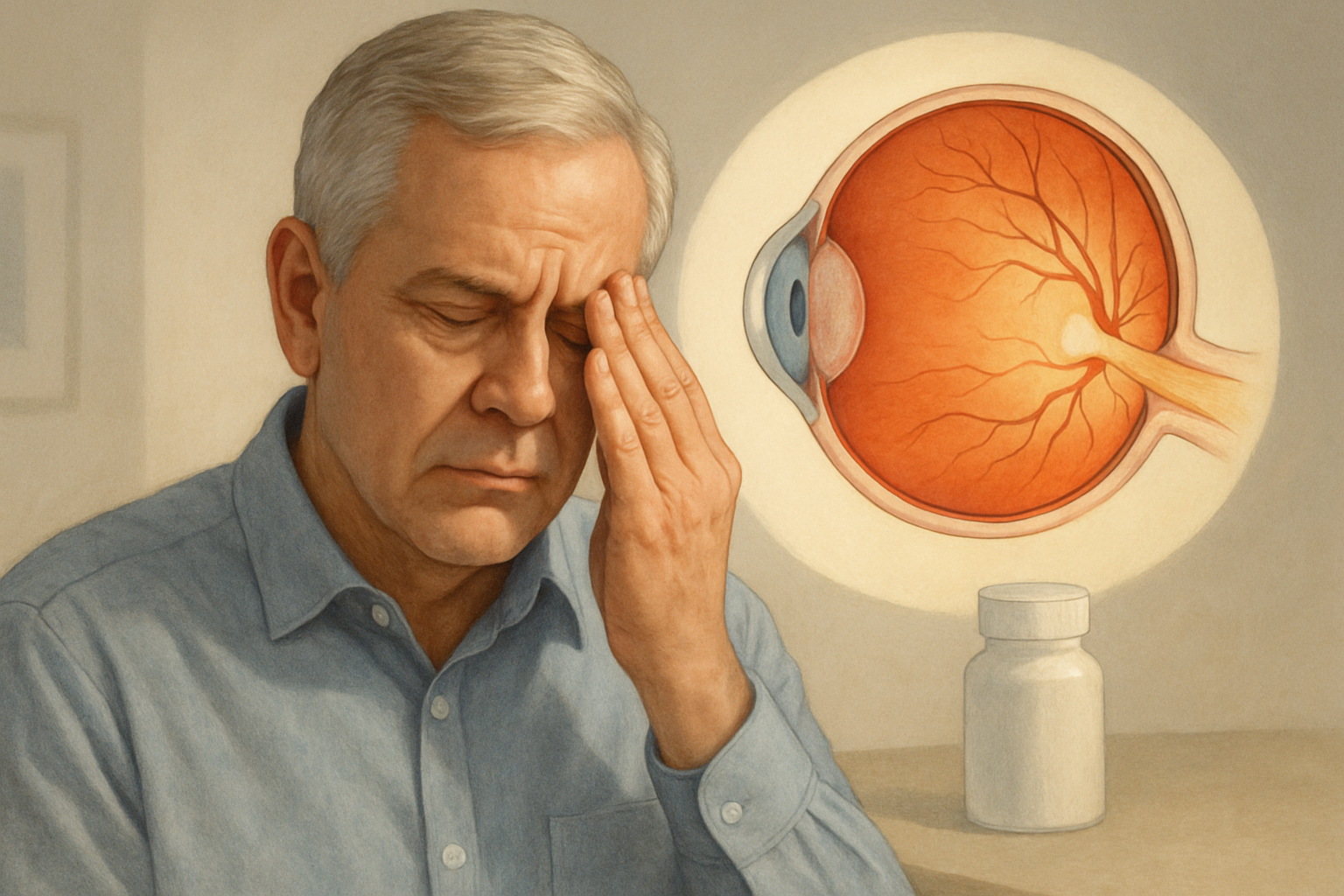
What is NAION?
Nonarteritic anterior ischemic optic neuropathy (NAION) is a sudden loss of vision caused by decreased blood flow to the optic nerve. It usually affects one eye and can sometimes affect the other eye later, known as sequential or recurrent NAION.
What the Study Found
Researchers examining patients with NAION found that those who had been exposed to glucagon-like peptide-1 (GLP-1) receptor agonists, a class of medications often prescribed for diabetes and metabolic health, experienced their second NAION episode sooner than those not taking these drugs.

Understanding the Evidence
This finding was presented at a professional meeting, suggesting an observed association between GLP-1 receptor agonist use and earlier sequential NAION. However, the study details such as size, design, and exact timing were not provided in the summary.
What This Means and What It Doesn’t
- Association, not causation: The study indicates a link between GLP-1 receptor agonist exposure and earlier NAION recurrence but does not prove that these drugs cause the earlier event.
- Patient impact: Patients with NAION who are prescribed GLP-1 receptor agonists may want to be aware of this possible risk; however, more research is needed before changing treatment recommendations.
- Research limitations: Without full study details, it’s unclear if other factors might play a role or how significant the timing difference is in practical terms.
Summary
While the association between GLP-1 receptor agonists and earlier second NAION events might guide future research and clinical awareness, currently there is not enough evidence to draw firm conclusions or suggest changes in patient care. Patients using these medications should discuss any concerns with their healthcare providers.
Source: Medical Xpress
Paste the copied caption into your Instagram post. Caption links are not clickable; add the article URL to a Story link sticker or your profile link.
Open Instagram