Had genetic testing for cancer risk years ago? Newer tests may find what old ones missed
If you had genetic testing for inherited cancer risk a while ago, newer tests might provide additional information that earlier tests did not detect.
Paste the copied caption into your Instagram post. Caption links are not clickable; add the article URL to a Story link sticker or your profile link.
Open InstagramFor information, not personal medical advice. Discuss treatment decisions with a qualified clinician.
Key takeaways
- Genetic testing for inherited cancer risk has advanced, with newer tests analyzing more genes and detecting mutations older tests missed.
- Women with previous negative or inconclusive results might get more informative insights from updated testing, potentially impacting cancer risk assessments.
- Newer tests bring uncertainties, as not all genetic changes are fully understood, and a negative result does not entirely eliminate cancer risk.
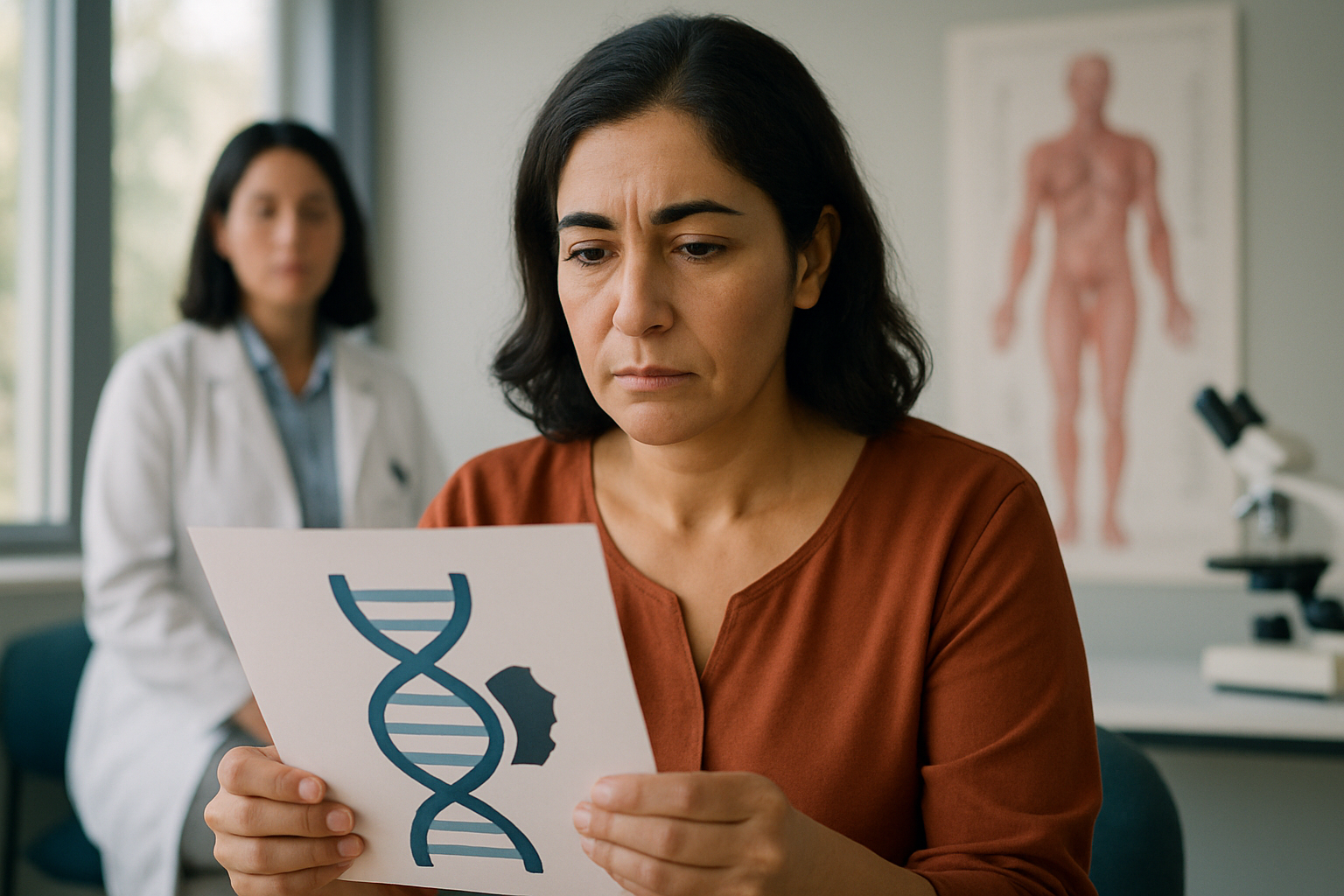
Genetic testing for inherited cancer risk has improved significantly over recent years. Women who had these tests done several years ago may want to consider retesting using the latest methods.
Why newer genetic tests might be helpful
Earlier genetic tests focused on a small number of genes linked to cancer risk, often targeting only a few common mutations. Since then, advances in technology and research have expanded the understanding of genetic factors involved in cancer. Newer tests can analyze a larger panel of genes and detect mutations that older tests might have missed.
Evidence behind re-testing
Experts suggest that due to improvements in genetic testing, some women who previously received negative or inconclusive results may now obtain more informative results. This could affect cancer risk assessments and guide decisions about screening or preventative measures.

Limitations and uncertainties
While newer genetic tests analyze more genes, not all genetic changes are fully understood. Receiving new or additional information can cause anxiety or uncertainty, especially if the significance of a detected mutation is unclear. Furthermore, not all genetic factors for cancer risk have been identified yet, so a negative test does not guarantee no risk.
It is also important to note that increased detection of genetic variants does not automatically translate into changes in health outcomes. The impact on patient benefit depends on how this information is used in medical care.
Implications for patients
Individuals who had genetic testing for cancer risk years ago might consider discussing updated testing options with their healthcare providers or genetic counselors. Updated testing can provide new insights into inherited cancer risk, which may influence screening strategies or preventive approaches.
However, decisions about re-testing should consider personal and family cancer history, current health status, and the potential psychological impact of new information.
Source: Medical Xpress
Paste the copied caption into your Instagram post. Caption links are not clickable; add the article URL to a Story link sticker or your profile link.
Open Instagram