HIV Genetic Remnants Can Alter Immune Cells in Ways That May Promote Viral Persistence
Research suggests that remnants of HIV's genetic material integrated into immune cells can change the cells' behavior, potentially helping the virus persist despite therapy.
Paste the copied caption into your Instagram post. Caption links are not clickable; add the article URL to a Story link sticker or your profile link.
Open InstagramFor information, not personal medical advice. Discuss treatment decisions with a qualified clinician.
Key takeaways
- HIV genetic remnants integrated into the BACH2 gene in CD4 T cells can alter cell behaviour, promoting longer survival and increased division, potentially helping the virus persist despite ART.
- These findings come from laboratory studies and cellular models, highlighting a possible mechanism of viral reservoir maintenance but not yet confirmed in patients on ART.
- Further research is needed to understand the clinical significance of these altered immune cells and whether targeting these mechanisms could improve HIV treatment.
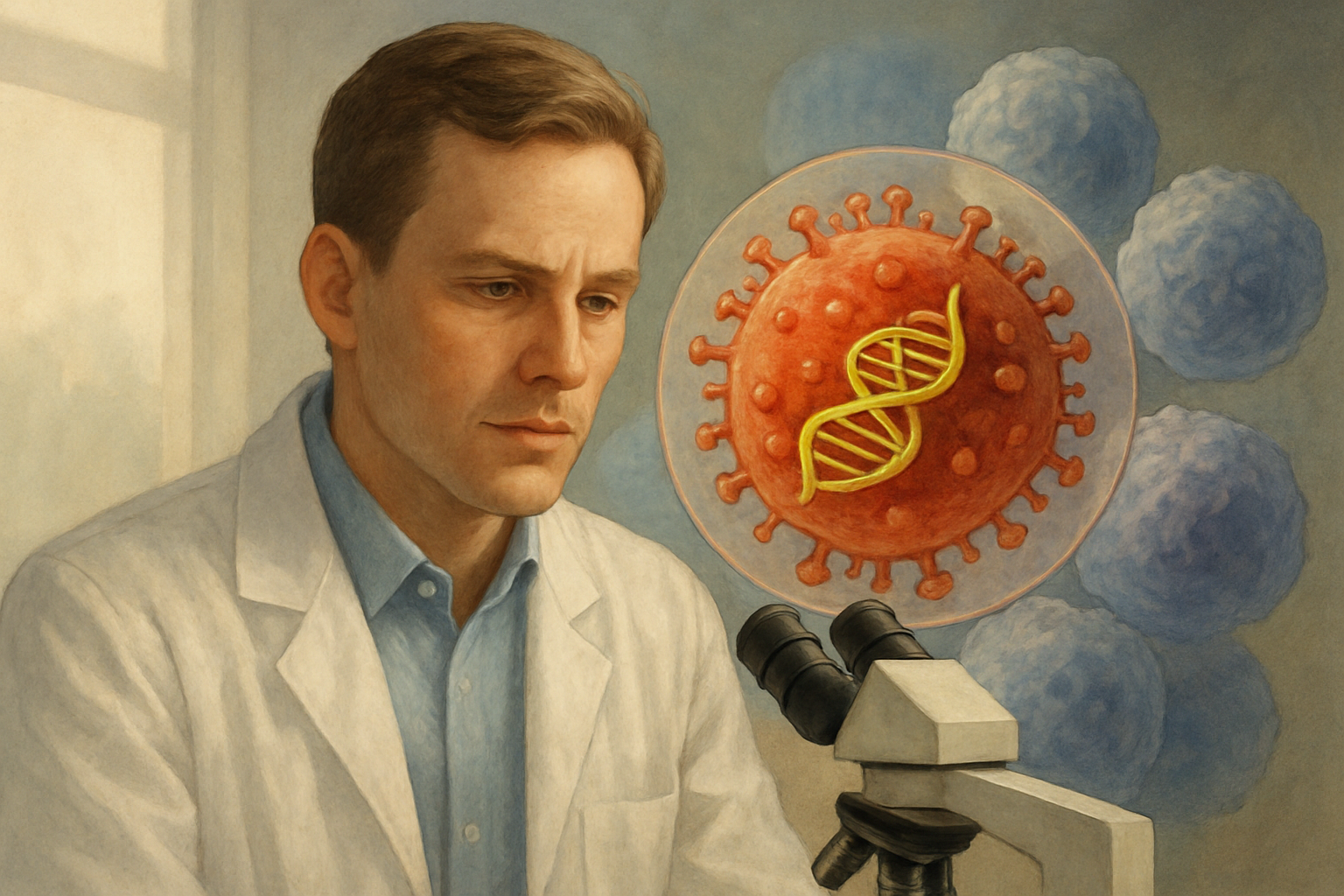
HIV infection is treated with antiretroviral therapy (ART), which suppresses the virus to undetectable levels in the blood. However, the virus's genetic material remains integrated in infected immune cells, creating a reservoir that is difficult to eliminate. New laboratory research from scientists at the Leibniz Institute of Virology (LIV) in Hamburg has shown that some of these viral genetic remnants, particularly when integrated into specific genes within CD4 T cells, can alter the biology of those cells.
What the Research Found
The study focused on HIV integration into the BACH2 gene, a key regulator of immune cell function. Findings indicate that when HIV DNA inserts itself in this gene, it changes the behavior of the infected CD4 T cells. These altered cells tend to survive longer, divide more, and exhibit changed immune activity. This may provide a survival advantage to the infected cells, helping HIV persist in the body despite ART.
Type of Evidence
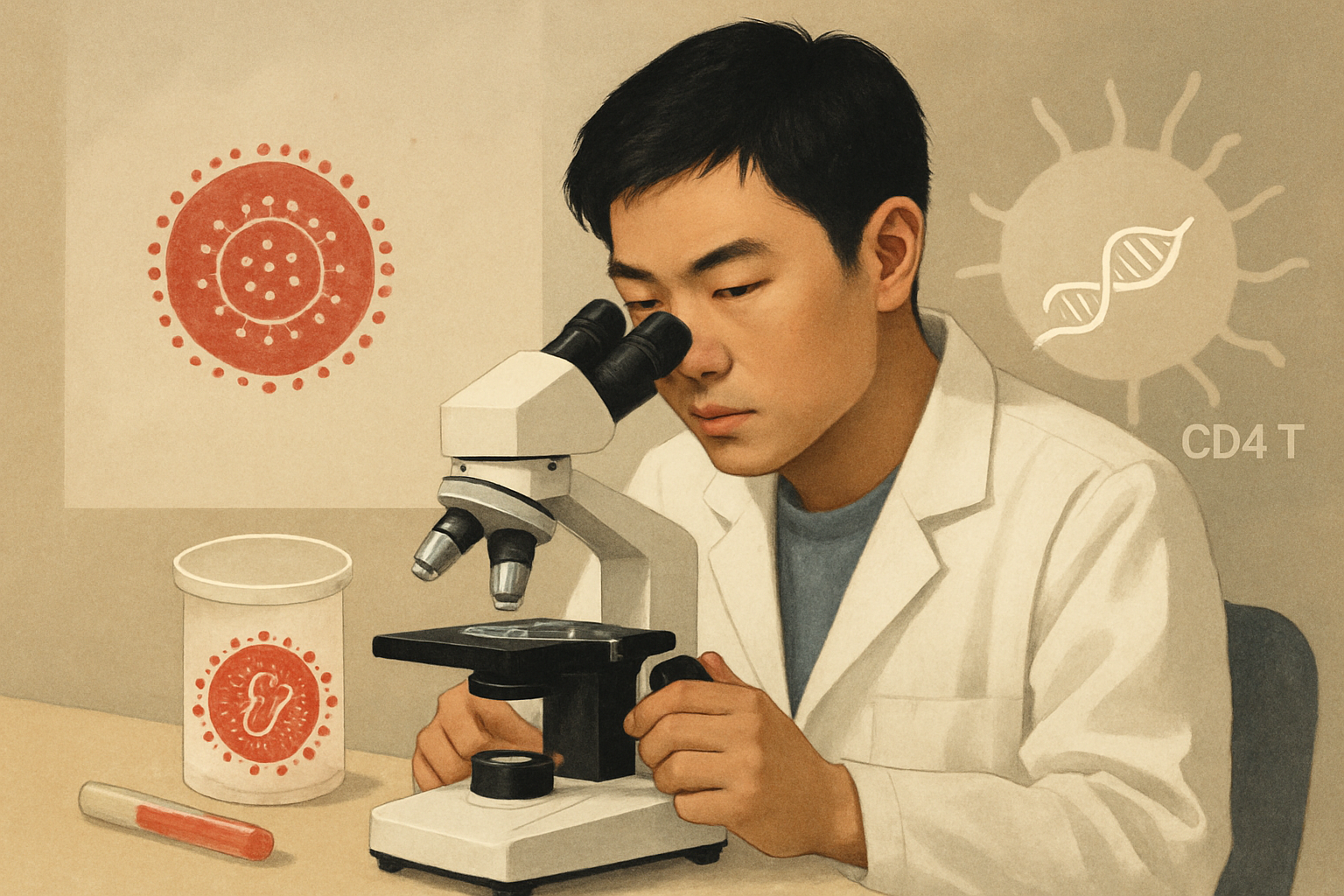
This evidence comes from basic science and laboratory studies examining the molecular interactions between HIV genetic material and host immune cell genes. It demonstrates a potential mechanism by which the viral reservoir is maintained and may expand during treatment. As such, these findings are primarily in cellular models and have not yet been demonstrated directly in patients.
Limitations and What Is Not Yet Known
- The findings describe a biological mechanism but do not prove how much this contributes to HIV persistence in people on ART.
- It is unclear whether this altered cell behavior translates into clinical effects or impacts treatment outcomes.
- Further research is needed to confirm these processes in human tissues and to understand whether targeting such mechanisms could help eliminate viral reservoirs.
Possible Implications
If future studies confirm that integration of HIV into genes like BACH2 promotes infected cell survival and viral persistence, it may open new avenues for HIV treatment strategies. Therapies could be developed to counteract these effects, potentially improving efforts to reduce or eradicate the viral reservoir. However, such applications remain speculative until tested thoroughly in human studies.
Source: Medical Xpress
Paste the copied caption into your Instagram post. Caption links are not clickable; add the article URL to a Story link sticker or your profile link.
Open Instagram