How Epstein-Barr Virus May Influence Cancer Development
Epstein-Barr virus (EBV), a common herpesvirus infecting most people, can stay dormant for life but may contribute to some cancers by altering cell repair processes.
Paste the copied caption into your Instagram post. Caption links are not clickable; add the article URL to a Story link sticker or your profile link.
Open InstagramFor information, not personal medical advice. Discuss treatment decisions with a qualified clinician.
Key takeaways
- Epstein-Barr virus (EBV) infects most people, remains latent for life, and is linked to about 2% of cancers worldwide.
- EBV disrupts cellular DNA repair mechanisms, potentially increasing the chance of cancerous changes but does not guarantee cancer development.
- More research is needed to understand exactly how EBV influences cancer and the types of cancers most affected.
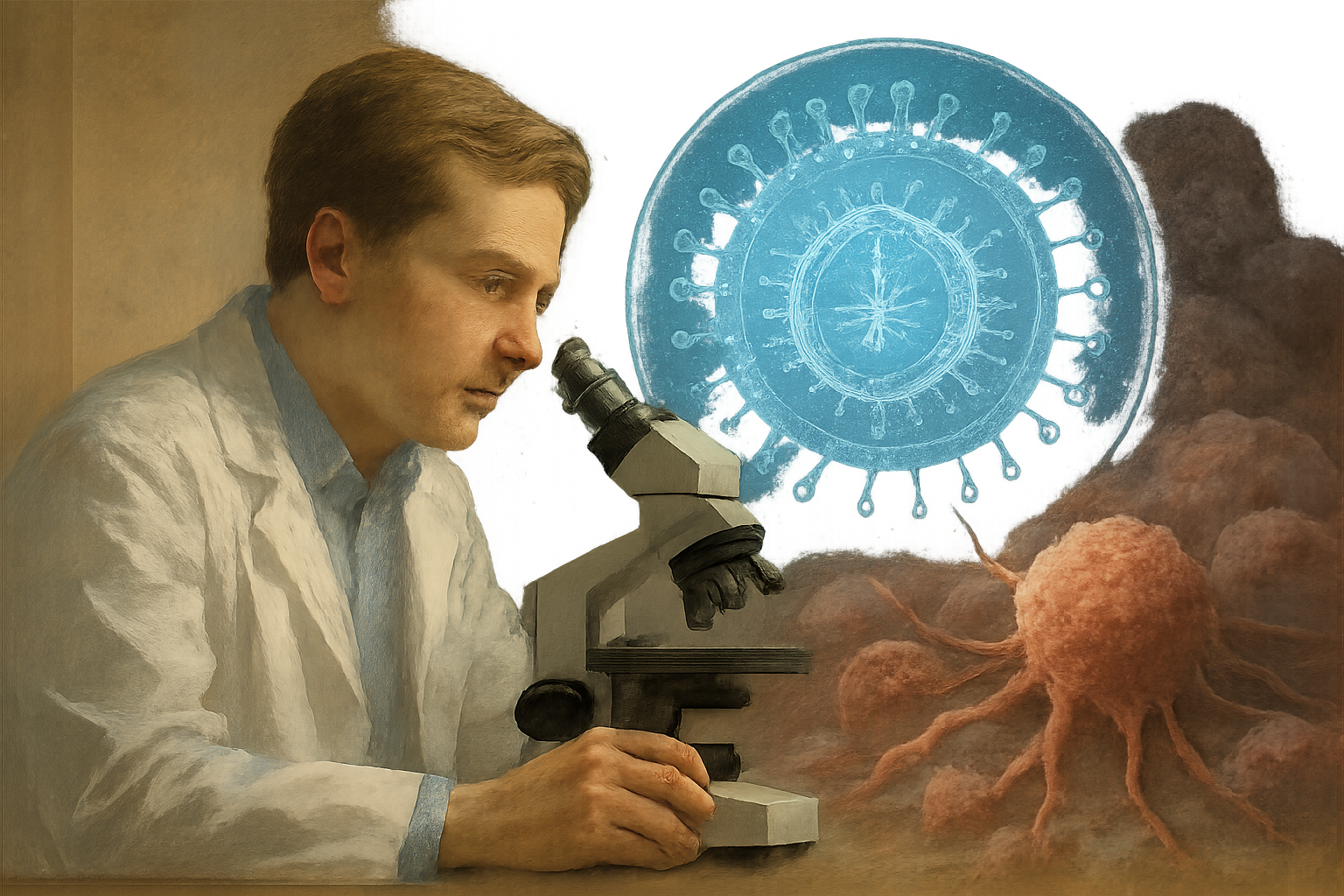
Epstein-Barr virus (EBV) is a widespread herpesvirus that infects most people at some point during their lives. After initial infection, which is often mild or causes a brief illness called mononucleosis, EBV remains in the body in a latent or inactive form for life.
What the Virus Does in the Body
While many carry EBV without symptoms, the virus can affect cellular mechanisms that repair DNA and maintain cell health. This disruption may increase the likelihood of cancerous changes in cells. EBV is implicated in about 2% of all cancers worldwide, indicating it plays a significant but relatively uncommon role in cancer development.
Associated Conditions
- Mononucleosis: Often called the "kissing disease" due to its spread through saliva, it is a common mild illness resulting from EBV infection.
- Multiple sclerosis: In rare cases, EBV may contribute to the development of this autoimmune disease.
- Cancer: EBV has a recognized connection to certain cancers, though the exact mechanisms and how often it directly causes cancer remain under study.
Evidence and Limitations
Most evidence comes from observational studies linking EBV infection to cancer and laboratory research showing the virus's effect on cell repair processes. However, EBV infection alone does not guarantee cancer will develop, and many factors like genetics and environment also influence risk.
It is important to distinguish that EBV’s presence is associated with cancers rather than proven to cause them in every case. More research is needed to clarify which cancer types are most influenced by EBV and by what mechanisms.
Possible Implications
Understanding how EBV hijacks cell repair may help future efforts to prevent or treat related cancers. It also highlights the complex relationship between viruses and long-term health outcomes. Currently, no specific treatments target EBV latency for cancer prevention.
Source: Medical Xpress
Paste the copied caption into your Instagram post. Caption links are not clickable; add the article URL to a Story link sticker or your profile link.
Open Instagram