How Stress Hormone Cortisol Enhances Memory by Changing Brain Connections
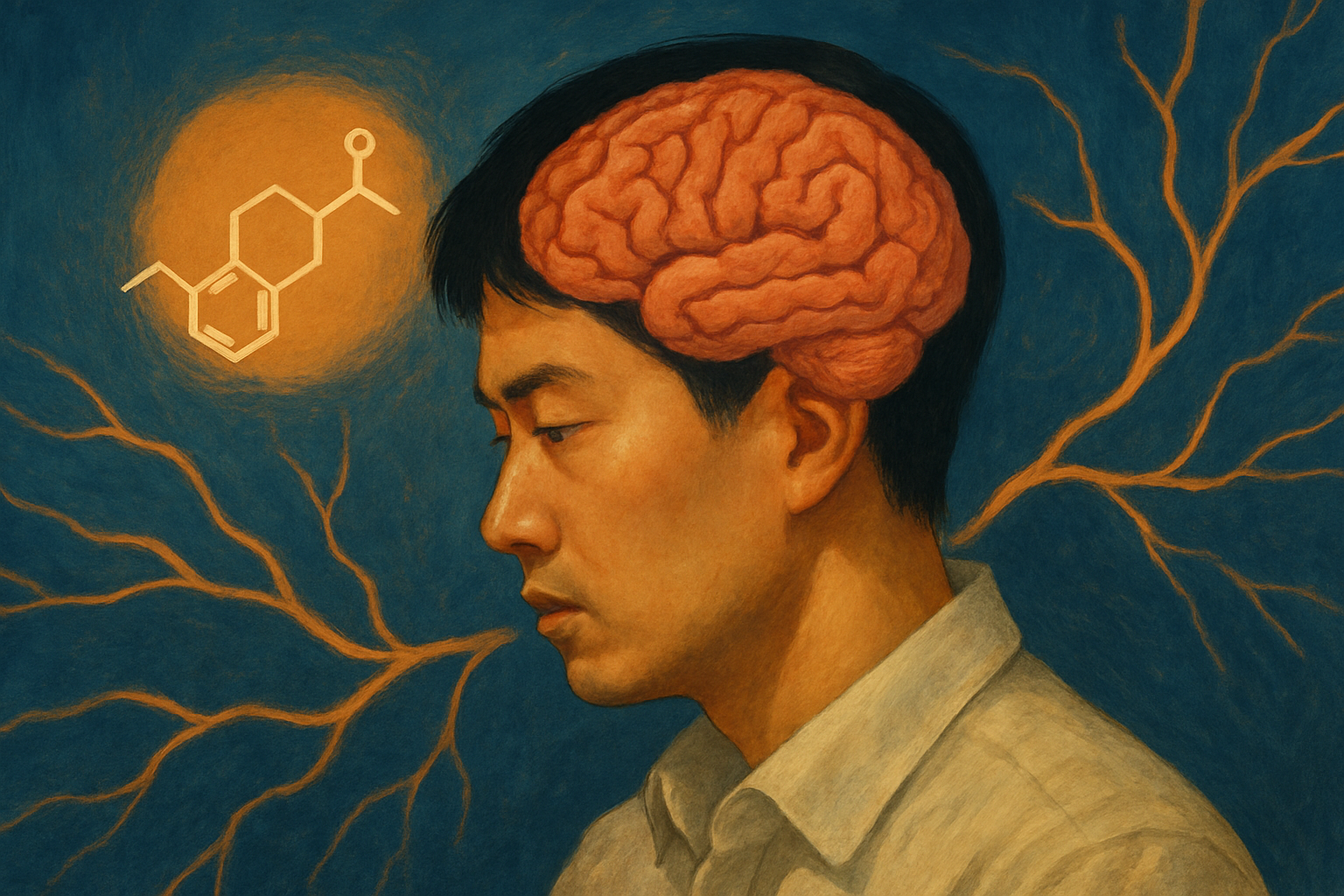
Researchers at Yale have identified how the stress hormone cortisol strengthens emotional memories by altering brain network communication.
Paste the copied caption into your Instagram post. Caption links are not clickable; add the article URL to a Story link sticker or your profile link.
Open InstagramFor information, not personal medical advice. Discuss treatment decisions with a qualified clinician.
Key takeaways
- Yale researchers found that cortisol, a stress hormone, changes brain network interactions, enhancing the strength and durability of emotional memories.
- The work helps explain why stressful or emotional moments tend to remain vivid and persistent in memory.
- While useful for memory consolidation, cortisol’s effects may also play a role in conditions like PTSD; chronic stress can be harmful to brain health.

Scientists at Yale University have discovered mechanisms by which the stress hormone cortisol can affect the brain's handling of emotional experiences, making those memories stronger and longer-lasting. This work sheds light on why stressful or emotional moments often remain vivid and difficult to forget.
What the Research Found
The research shows that cortisol modifies the way different brain networks involved in emotion and memory interact with each other. These changes in communication likely help consolidate emotional memories more robustly, which may explain the persistent nature of such memories.
Evidence Behind the Discovery
The findings come from laboratory studies focusing on brain activity and hormonal influences. Details on whether human participants were involved or if the findings are based mainly on animal or cellular models were not provided in the available summary. It remains unclear how directly these mechanisms translate to real-life human memory experiences.
Limitations and Considerations
While the discovery provides valuable insight into the biological effects of cortisol, it does not imply that stress is always beneficial. Chronic or excessive stress can have harmful effects on brain health. Additionally, strengthening certain memories through cortisol may contribute to conditions such as post-traumatic stress disorder (PTSD).
Further research is needed to fully understand how these changes in brain networks translate to different types of memories and the balance between helpful and harmful effects of stress.
Possible Implications
Understanding how cortisol influences memory formation could lead to better treatments for memory-related conditions, especially those linked to emotional trauma. However, more evidence from human studies is necessary before practical applications can be considered.
Source: ScienceDaily Medical
Paste the copied caption into your Instagram post. Caption links are not clickable; add the article URL to a Story link sticker or your profile link.
Open Instagram