How Water Shapes Misfolded Tau Proteins in Dementia
New research explores how the arrangement of water molecules near a critical part of tau proteins might influence the harmful clumping seen in Alzheimer's and related dementias.
Paste the copied caption into your Instagram post. Caption links are not clickable; add the article URL to a Story link sticker or your profile link.
Open InstagramFor information, not personal medical advice. Discuss treatment decisions with a qualified clinician.
Key takeaways
- Misfolded tau proteins in diseases like Alzheimer's cause normal tau proteins to misfold and aggregate, but the exact mechanism is unclear.
- Research highlights a 'hotspot' in tau proteins where water molecule arrangements may promote tau misfolding and aggregation.
- Laboratory findings suggest water's role in tau pathology spread, but the translation to human brain effects and treatment is still uncertain.
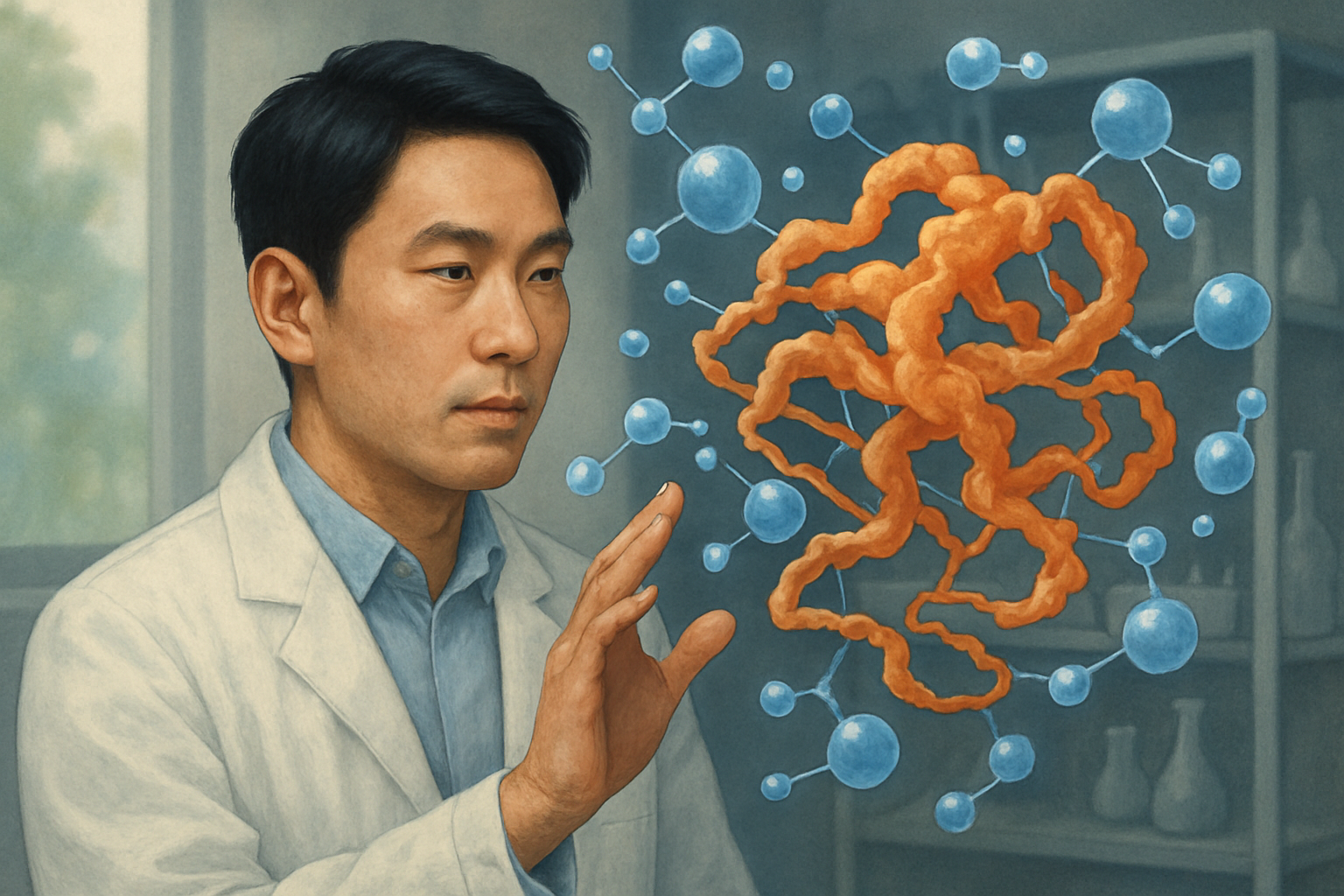
Diseases like Alzheimer's and frontotemporal dementia involve tau proteins in the brain that fold incorrectly, leading to damaging clumps. Scientists have long known that these misfolded tau proteins somehow cause normal tau proteins to also misfold and aggregate, but the detailed mechanism remains unclear.
What the Research Looks At
Recent studies have focused on a particular "hotspot" region in tau proteins critical to this misfolding and clumping process. Researchers examined how water molecules arrange themselves near this hotspot, as water plays an important part in protein structure and interactions.
Laboratory Findings
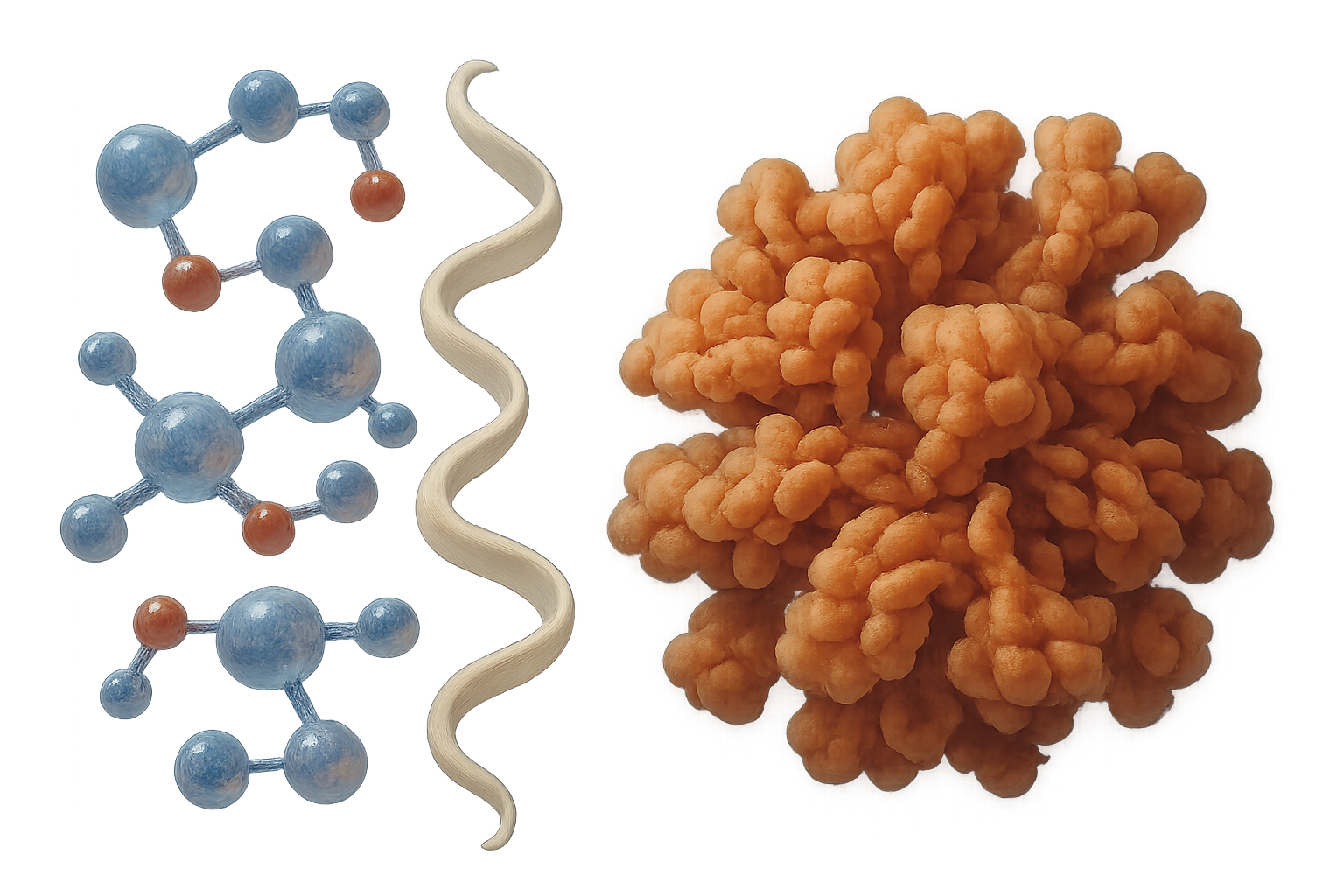
Laboratory analyses suggest that the shape and behavior of water molecules around this key tau region may encourage the misfolded tau to bind to and corrupt normal tau proteins. This could be a factor that helps spread tau pathology in the brain during disease progression.
Limitations and Unknowns
These findings mainly come from laboratory experiments studying protein structures and water interactions. It remains uncertain how these molecular details translate to actual effects in the human brain. It is also not yet clear whether these insights can be used to develop treatments that prevent or reverse tau clumping.
Potential Implications
This research offers a fresh perspective on how tau proteins misfold and initiate the harmful chain reaction seen in neurodegenerative tauopathies. Understanding the role water plays could open new avenues for targeting the early steps of tau aggregation. However, further studies, including those involving living brain tissue, are needed before clinical applications become possible.
Source: Medical Xpress
Paste the copied caption into your Instagram post. Caption links are not clickable; add the article URL to a Story link sticker or your profile link.
Open Instagram