Immune System Discoveries Reveal How the Body Balances Defense, Protection, and Repair
Recent research uncovers the complex roles of various immune cells working together to protect the body from infections, cancer, and toxins, highlighting how the immune system balances defense and repair.
Paste the copied caption into your Instagram post. Caption links are not clickable; add the article URL to a Story link sticker or your profile link.
Open InstagramFor information, not personal medical advice. Discuss treatment decisions with a qualified clinician.
Key takeaways
- The immune system consists of diverse specialized cells like T cells, B lymphocytes, macrophages, Tregs, and microglia, each playing distinct roles in defence.
- Regulatory T cells help balance immune responses, preventing excessive attack on the body's own tissues while microglia assist in repair and maintenance, especially in the brain.
- Understanding these immune cells aids development of therapies for cancer and autoimmune diseases, though much remains unknown about cell interactions and clinical translation.
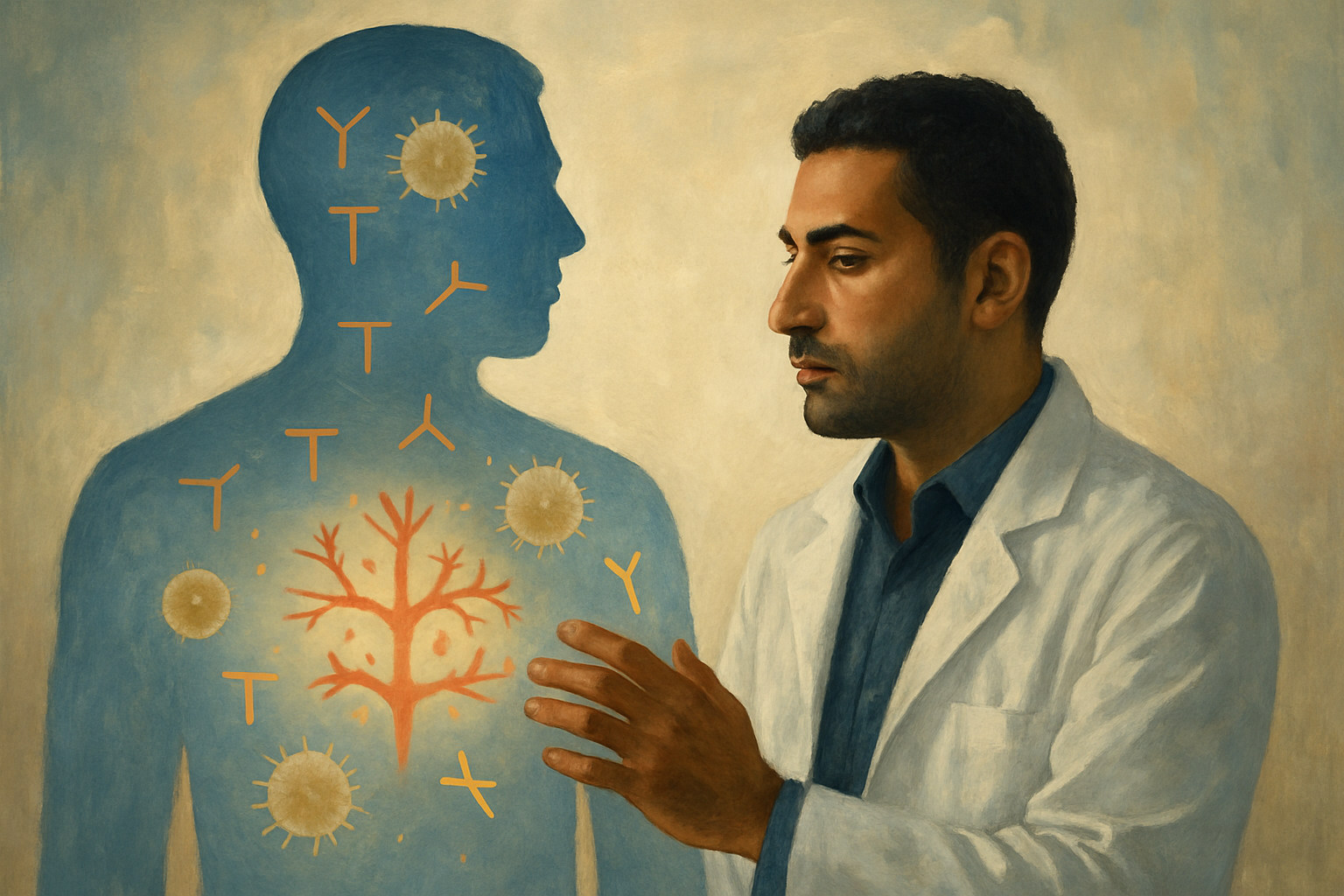
The immune system is far more complex than previously thought. In the past, immune cells were grouped broadly under the term 'white blood cells.' Today, scientists recognize many specialized types, including T cells, B lymphocytes, macrophages, autoreactive T helper cells, microglia, and regulatory T cells (Tregs). Together, they act like a health police force, continually patrolling the body to protect it from threats.
How the Immune System Works
Each of these immune cells plays a distinct role in defending the body. They target a wide variety of harmful agents, such as viruses, harmful bacteria, fungi, parasites, cancer cells, and toxins. For example, T cells can directly kill infected or cancerous cells, while B lymphocytes produce antibodies that flag harmful invaders for destruction.
The Balance Between Defense and Repair
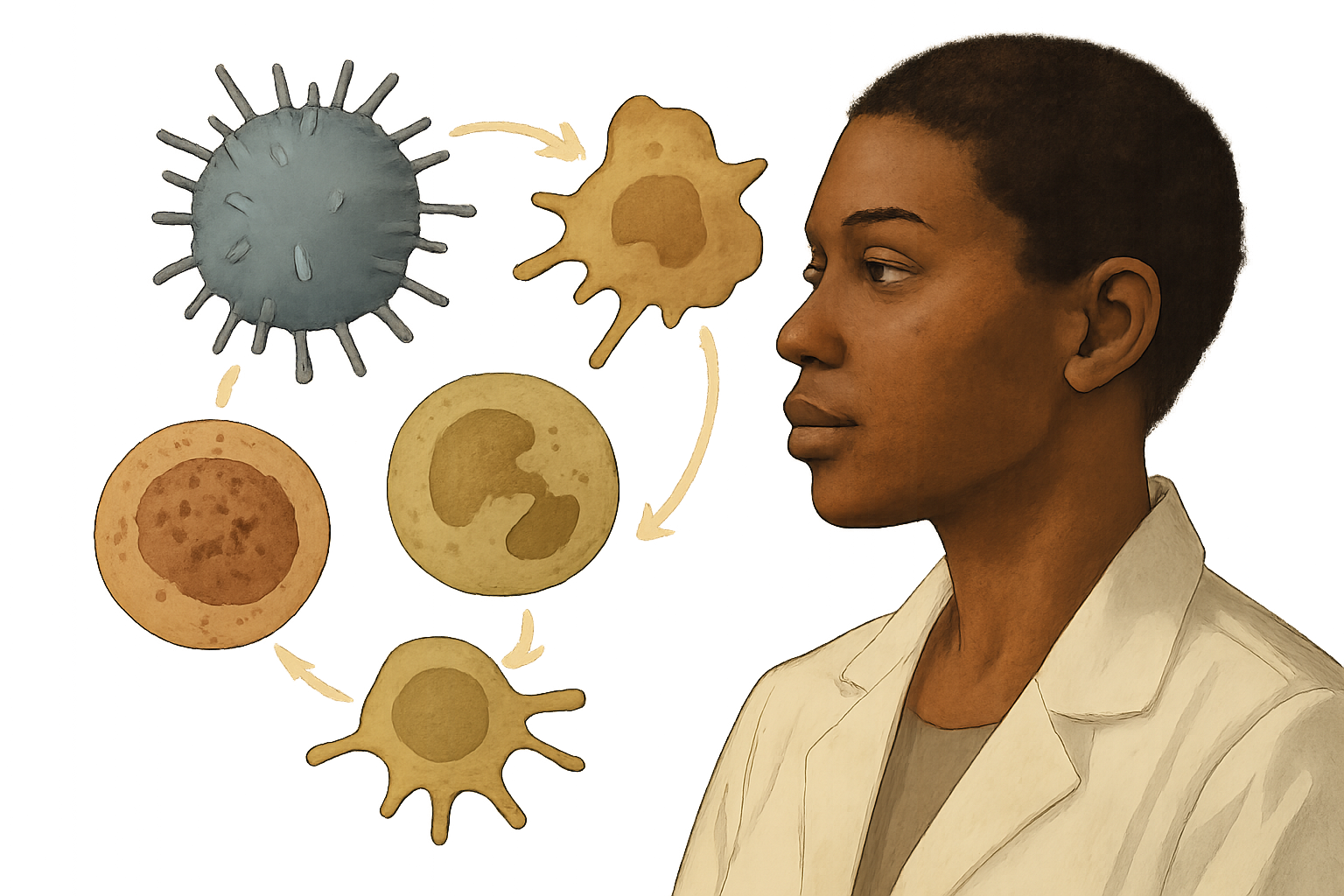
The immune system must carefully balance attacking threats without damaging the body's own tissues. Specialized cells like regulatory T cells (Tregs) help control immune responses, preventing excessive or autoimmune reactions that could harm healthy cells. Other cells, such as microglia in the brain, also play a role in repair and maintenance.
What This Means for Medicine
Understanding the distinct functions of various immune cells helps researchers develop better treatments for diseases like cancer and autoimmune conditions. For instance, therapies that boost the activity of certain T cells can enhance the body's ability to fight cancer. Conversely, strategies that increase regulatory cells might reduce harmful inflammation.
Limitations and Unknowns
While these insights deepen our understanding of immune function, much remains to be learned. The interactions among different immune cells and how they balance defense with repair are complex and context-dependent. Continued research is necessary to translate these discoveries into safe and effective therapies. Current knowledge primarily comes from laboratory and early-stage studies, and clinical benefits in patients require further confirmation.
Source: Medical Xpress
Paste the copied caption into your Instagram post. Caption links are not clickable; add the article URL to a Story link sticker or your profile link.
Open Instagram