Ketamine Relieves Pain Without 'Disconnecting' Consciousness, Study Finds
A human brain imaging study shows that ketamine’s pain relief operates separately from its dissociative effects, suggesting new avenues to reduce side effects while maintaining benefits.
Paste the copied caption into your Instagram post. Caption links are not clickable; add the article URL to a Story link sticker or your profile link.
Open InstagramFor information, not personal medical advice. Discuss treatment decisions with a qualified clinician.
Key takeaways
- Ketamine relieves pain through brain mechanisms distinct from those causing dissociative effects, according to a study using human brain imaging.
- The research suggests ketamine's therapeutic pain relief and its psychological side effects arise independently, opening avenues for targeted drug development.
- This study observed correlations but did not establish causation; clinical applications and methods to reduce dissociation while preserving pain relief remain uncertain.
Understanding the Finding
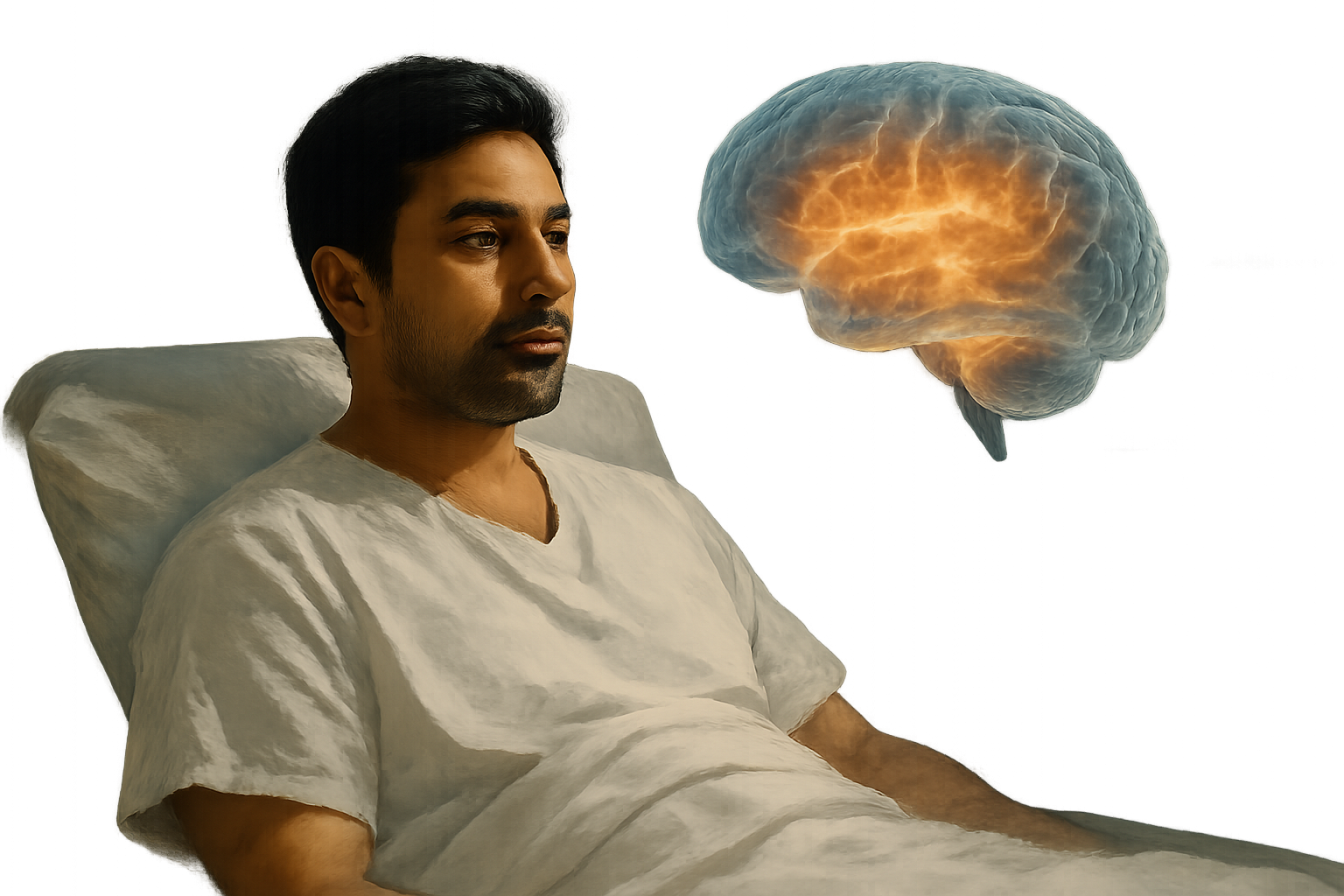
Ketamine is known to relieve pain and can also cause a sense of dissociation—a feeling of detachment from oneself or the environment. A recent study led by Tel Aviv University's Institute for Psychedelic Research, in partnership with the Tel Aviv Medical Center, used brain imaging to investigate whether these two effects are linked.
Researchers found that the pain relief provided by ketamine does not depend on its ability to induce dissociation. In other words, the brain processes involved in reducing pain differ from those responsible for changes in consciousness and perception caused by the drug.
Evidence Behind the Finding
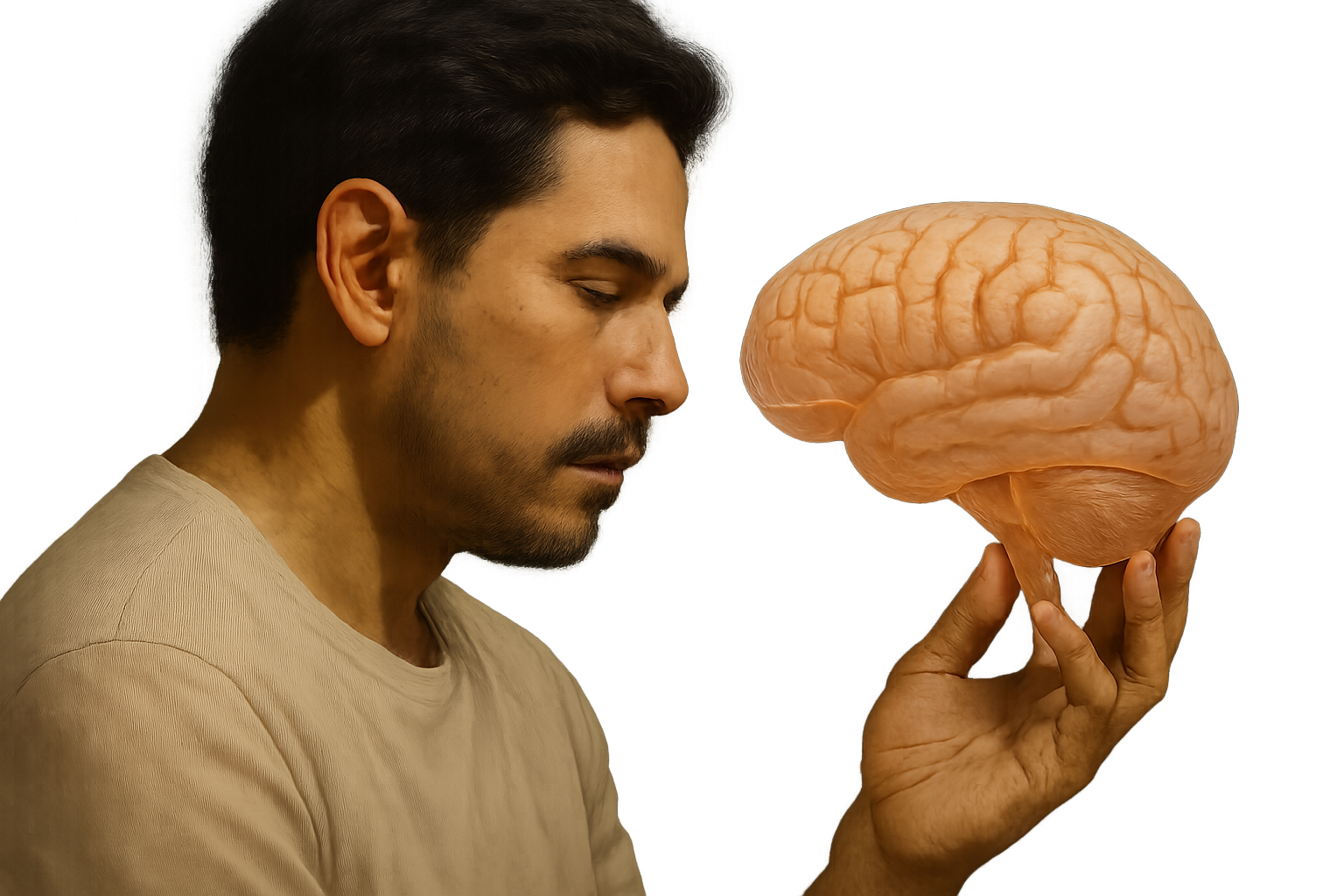
This conclusion comes from a study conducted in humans using brain imaging techniques. The scientists observed specific brain mechanisms activated during ketamine-induced pain relief that were distinct from those related to dissociative experiences. Since these mechanisms are separate, it suggests ketamine’s benefits and side effects arise independently.
Limitations and What Is Still Unknown
The study focused on brain imaging and observed correlations between ketamine’s effects and brain activity but did not establish direct causation. It is also not clear how these findings translate into clinical practice or whether new treatments can be developed to selectively provide pain relief without dissociation. More research is needed to understand if and how ketamine’s psychological side effects can be reduced while preserving its therapeutic pain-relief properties.
Possible Implications
By identifying that ketamine’s pain-relieving effect and its impact on consciousness involve different brain mechanisms, this research opens the door to new drug developments. Future treatments might deliver the desirable pain relief benefits of ketamine with fewer or no dissociative side effects, improving patient experience and safety. However, such advances remain experimental and are not currently available in clinical settings.
Source: Medical Xpress
Paste the copied caption into your Instagram post. Caption links are not clickable; add the article URL to a Story link sticker or your profile link.
Open Instagram