Liver and Brain Pathways Drive Distinct Symptoms in a Rare Epilepsy Model
Research from Johns Hopkins Medicine shows that separate pathways in the liver and brain cause different symptoms of a rare inherited epilepsy disorder, highlighting the complexity of the disease.
Paste the copied caption into your Instagram post. Caption links are not clickable; add the article URL to a Story link sticker or your profile link.
Open InstagramFor information, not personal medical advice. Discuss treatment decisions with a qualified clinician.
Key takeaways
- Researchers at Johns Hopkins Medicine found that liver and brain pathways contribute distinctly to symptoms in a rare inherited epilepsy disorder.
- The brain pathway is linked to neurological symptoms like seizures, while the liver affects other disorder aspects, showing a complex disease mechanism.
- Details on methodologies and direct human application are lacking, leaving uncertainty about the full implications and treatment development.
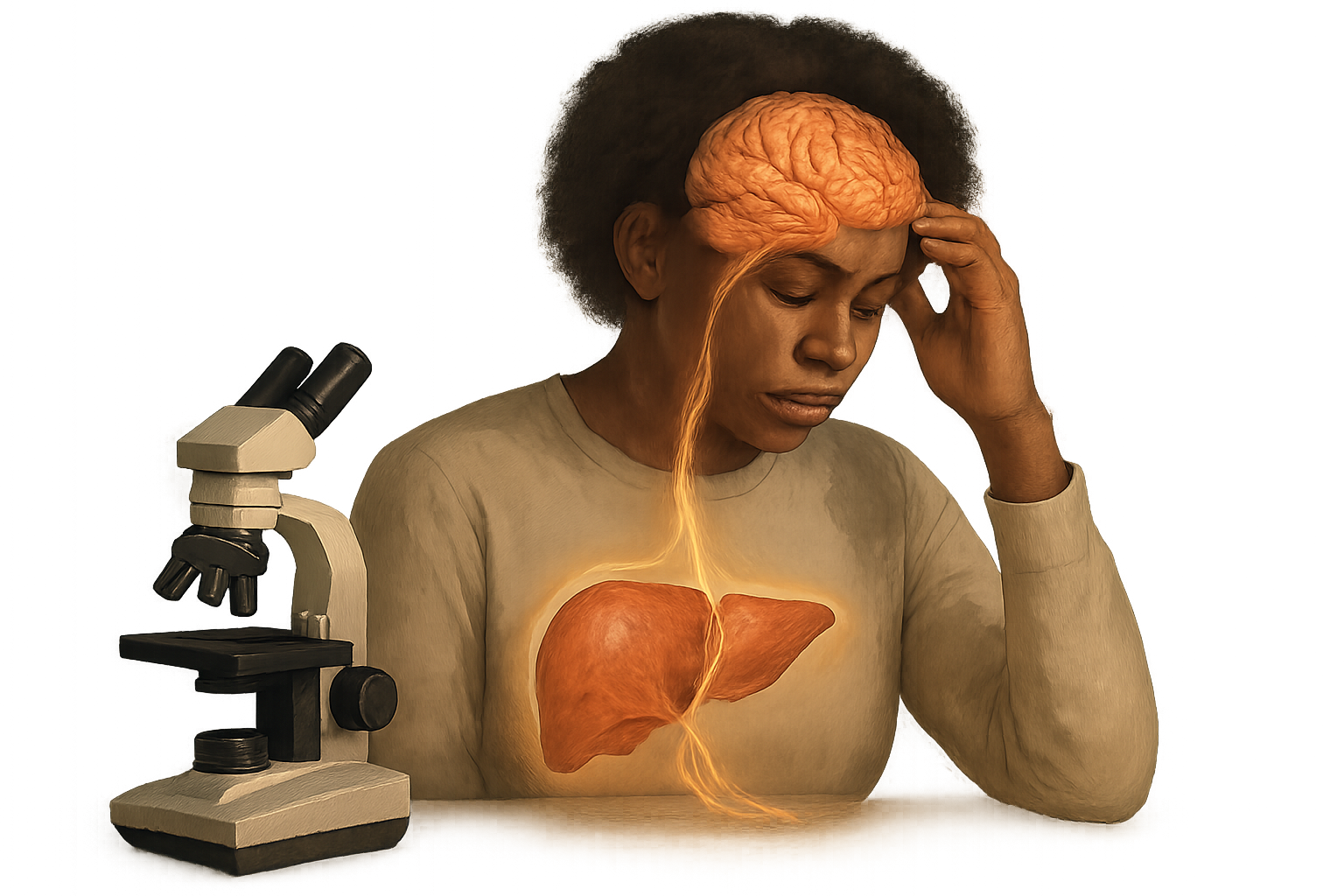
A recent study conducted by researchers at Johns Hopkins Medicine has shed light on how different body systems contribute to the symptoms of a rare inherited epilepsy disorder. This disorder is characterized by seizures and other neurological issues, but the findings reveal that these symptoms arise from distinct biological pathways in both the liver and brain.
Understanding the Finding
The key discovery is that the liver and the brain each play unique roles in causing separate symptoms associated with the epilepsy condition. While the brain is expected to be involved in neurological manifestations like seizures, the liver pathway influences other aspects of the disorder, indicating a more complex disease mechanism than previously thought.
Evidence Behind the Discovery
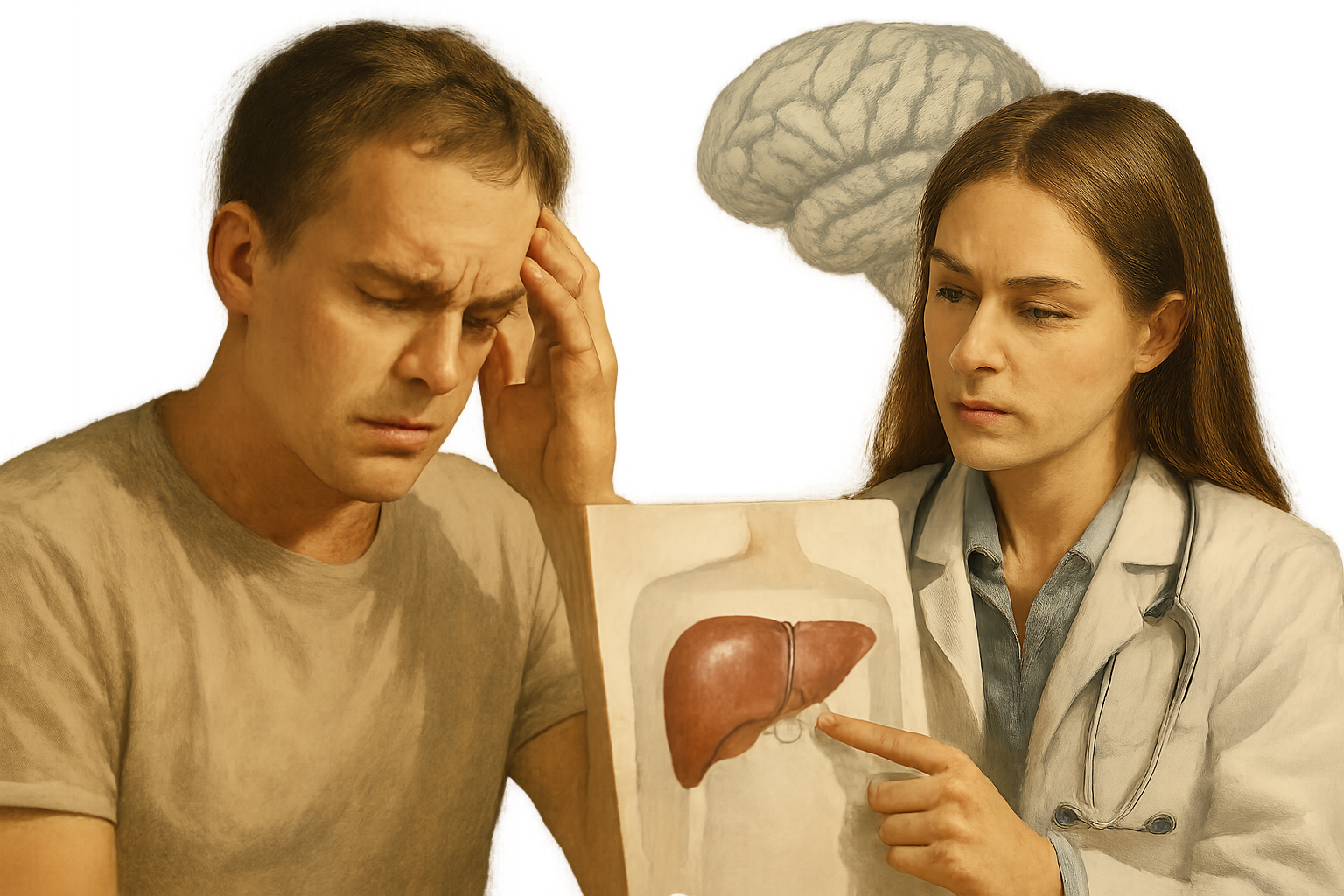
The study used a model of the inherited epilepsy disorder to explore how different organs contribute to symptoms. Although the exact methodologies and whether the work involved animals or laboratory systems were not detailed, the research focused on tracing pathways in these organs to uncover their roles.
Limitations and Unknowns
Because the full study details are not provided, there is uncertainty about the exact nature of the experiments and how directly the findings translate to human patients. It is also unclear whether treatments targeting these separate pathways have been tested or developed.
Possible Implications
This discovery could guide future research into more targeted therapies for this rare epilepsy, potentially addressing symptoms more effectively by focusing on the liver or brain individually. It also highlights the importance of considering whole-body interactions when studying neurological disorders.
Source: Medical Xpress
Paste the copied caption into your Instagram post. Caption links are not clickable; add the article URL to a Story link sticker or your profile link.
Open Instagram