LLM-Inspired Study Explores How Brain Cells Encode Word Meaning
A new study uses techniques inspired by large language models (LLMs) to investigate how human brain cells process and represent the meaning of spoken words, highlighting the brain’s ability to understand words beyond their sounds and in context.
Paste the copied caption into your Instagram post. Caption links are not clickable; add the article URL to a Story link sticker or your profile link.
Open InstagramFor information, not personal medical advice. Discuss treatment decisions with a qualified clinician.
Key takeaways
- The study uses concepts from large language models to explore how brain cells encode the meanings of words and how context affects those meanings.
- The research combines neuroscience and computational language modeling to investigate the brain's semantic processing, though specific methods and data sources remain unclear.
- While promising, the study's findings have unknown practical implications for language disorders or AI applications, requiring further research for confirmation.
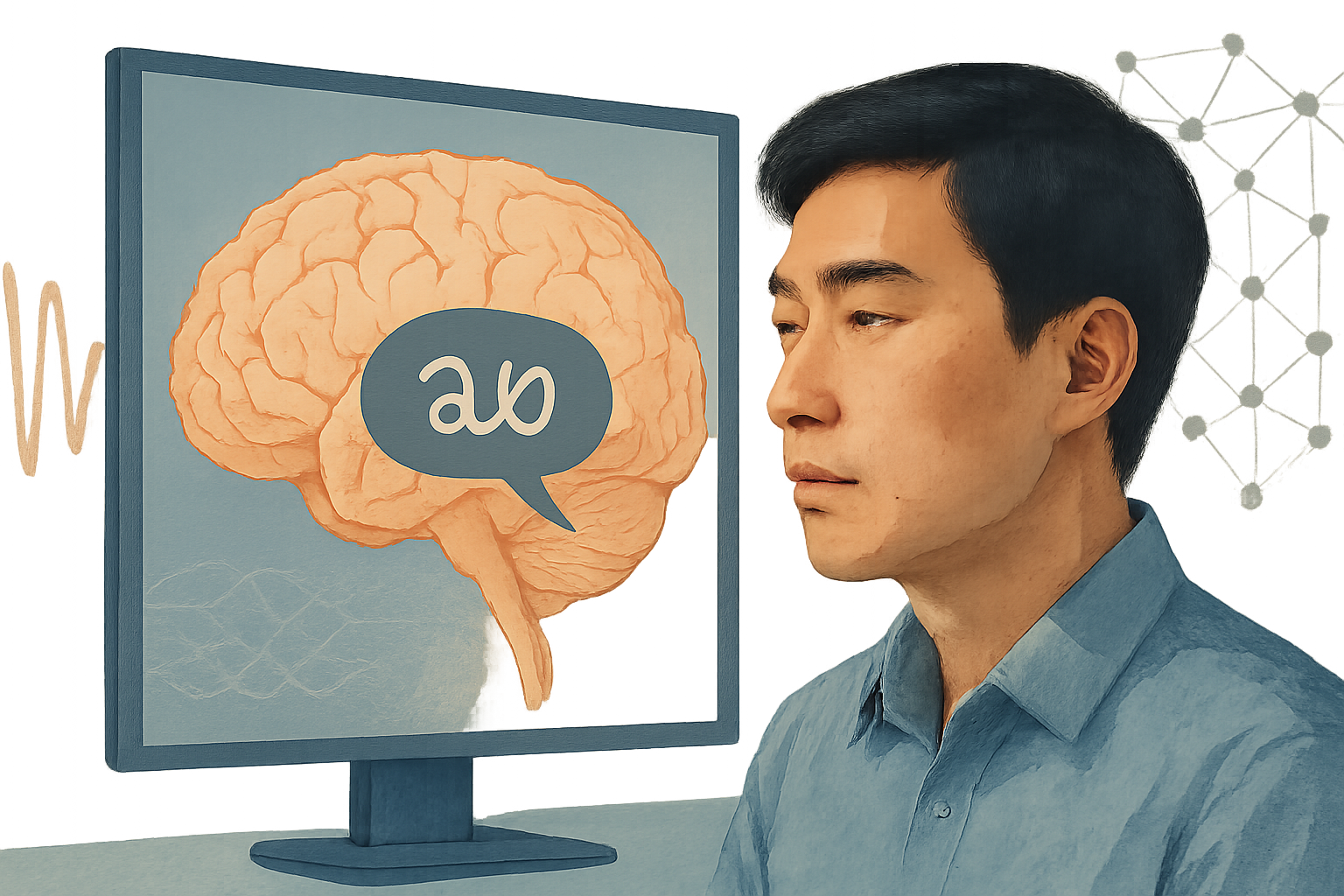
Scientists have long sought to understand how the human brain comprehends spoken language. Recognizing the sound of words is only the first step; true language understanding requires grasping a word's meaning and how that meaning can shift depending on the context.
What the Study Explores
This recent research draws inspiration from advances in large language models, which are artificial intelligence systems that process and generate human language. Using concepts and approaches from LLMs, researchers examined how brain cells encode the meanings of words. The aim was to reveal the brain's method of representing word meanings in a way that accounts for changes due to different contexts.
Evidence and Approach
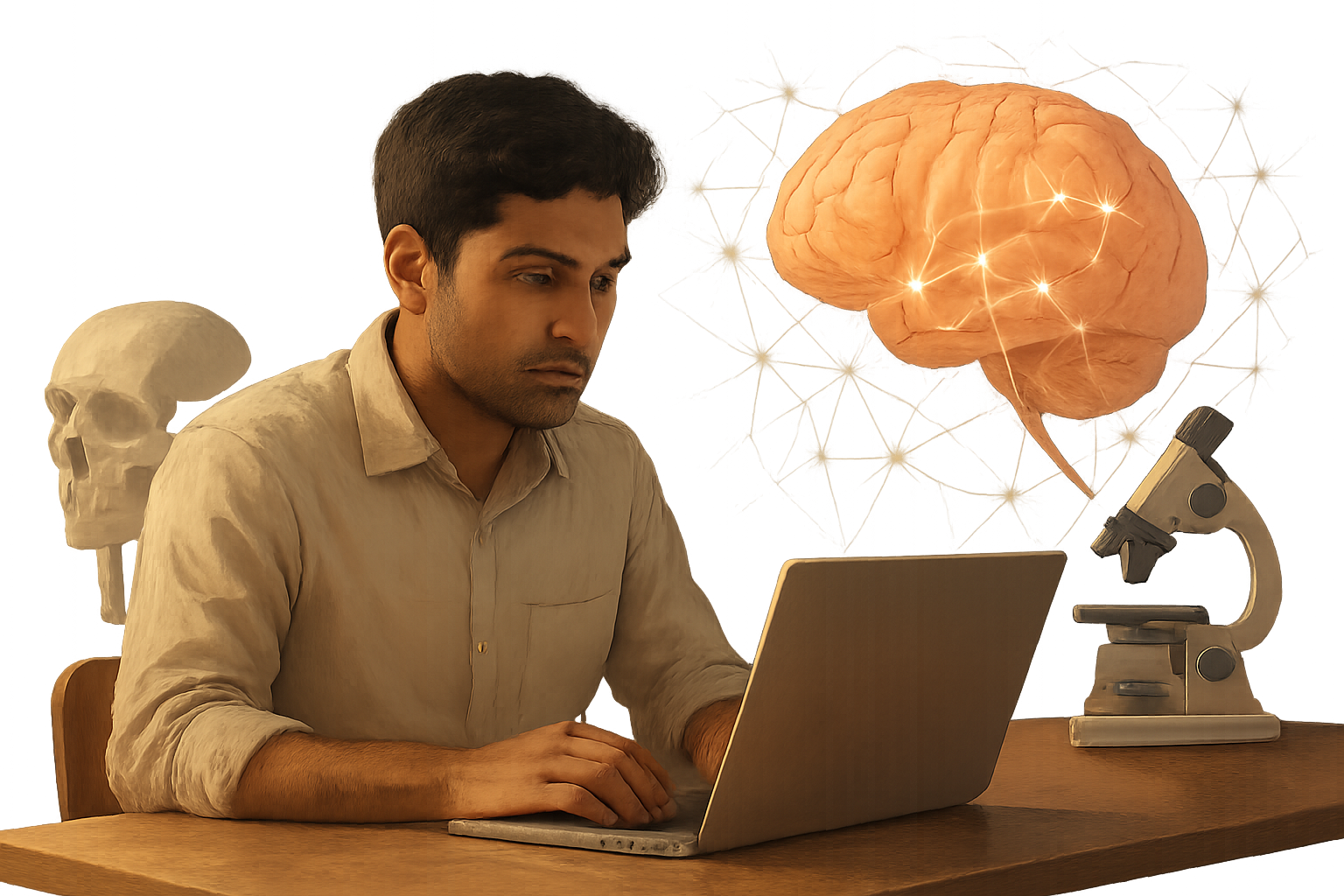
While detailed methods and study specifics were not provided, the study's approach is notable for combining neuroscience with computational language modeling ideas. This cross-disciplinary method offers a new perspective on how neural activity correlates with semantic processing—how meaning is represented and manipulated in the brain when we hear words.
Limitations and Unknowns
Despite these insights, the exact nature of the experiments and data remains unclear, leaving questions about whether the evidence primarily comes from brain recordings, computational simulations, or other methods. Additionally, it is not yet known how these findings translate into practical outcomes for understanding language disorders or improving communication technologies.
Potential Implications
If further research confirms these findings, this approach might deepen our understanding of the neural basis of language comprehension. It may eventually inform new strategies for diagnosing or treating language-related conditions, or enhancing AI systems designed to interact with human language in more natural ways.
Source: Medical Xpress
Paste the copied caption into your Instagram post. Caption links are not clickable; add the article URL to a Story link sticker or your profile link.
Open Instagram