Mental health support for parents after pediatric intensive care may modestly reduce PTSD and depressive symptoms
Psychosocial interventions for parents of children treated in pediatric intensive care units (PICUs) show modest benefits in reducing symptoms of post-traumatic stress disorder (PTSD) and depression, according to an analysis of randomized trials.
Paste the copied caption into your Instagram post. Caption links are not clickable; add the article URL to a Story link sticker or your profile link.
Open InstagramFor information, not personal medical advice. Discuss treatment decisions with a qualified clinician.
Key takeaways
- Psychosocial interventions for parents after pediatric intensive care unit (PICU) admission may modestly reduce PTSD and depression symptoms.
- The review included eight randomized controlled trials with varied interventions like follow-up clinic visits, psychological screening, phone psychoeducation, and videoconference therapy.
- The evidence is limited and shows small effects; more research is needed to identify optimal interventions, their timing, and long-term outcomes.
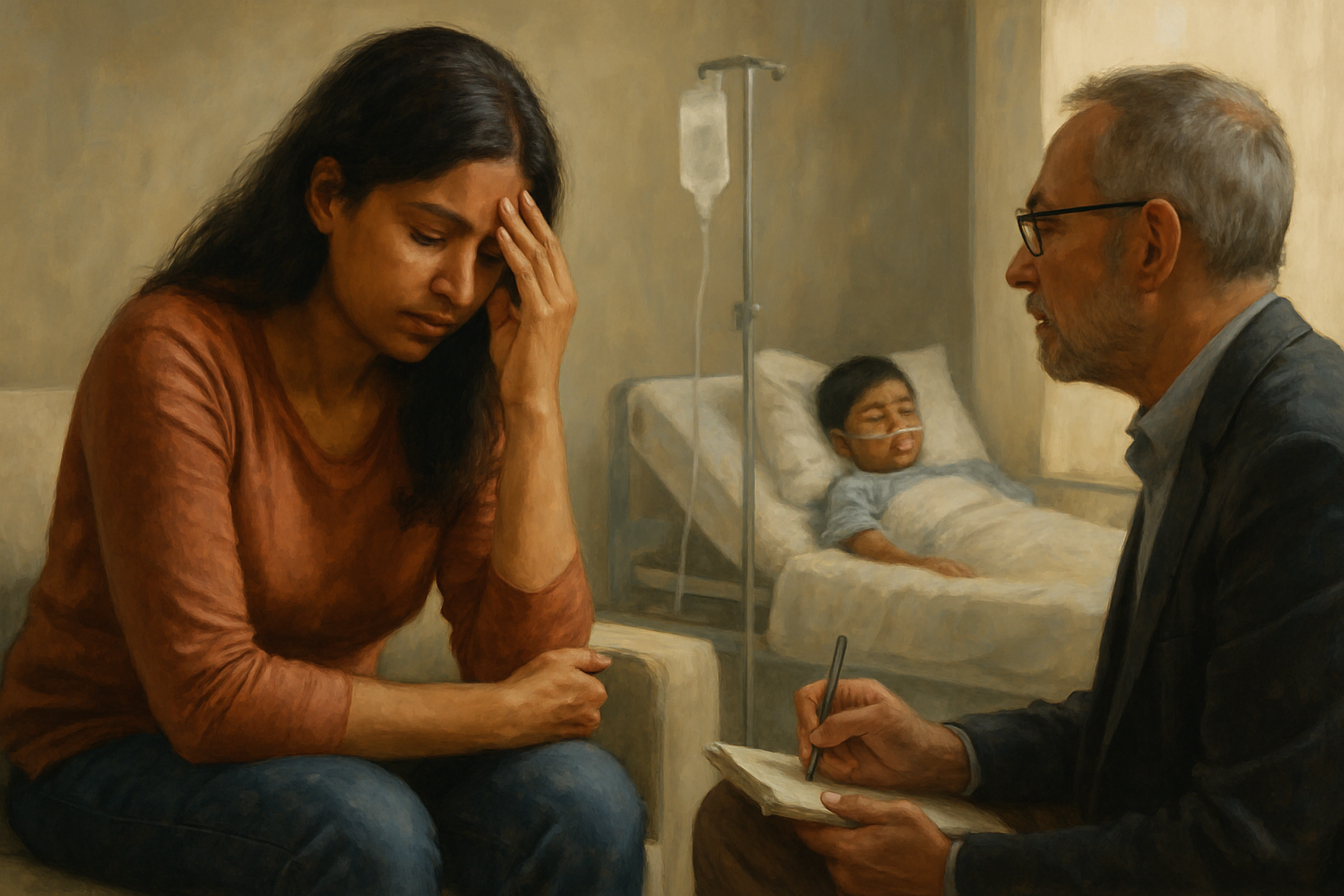
Background: Admission to a pediatric intensive care unit (PICU) is a highly stressful event not only for the child but also for their parents. Such experiences can lead to lasting psychological effects, including symptoms of post-traumatic stress disorder (PTSD) and depression.
The research: To understand how psychosocial support might help, researchers conducted a review of studies published up to January 2026. They identified eight randomized controlled trials that tested various psychosocial interventions aimed at parents whose children had been in the PICU. These interventions included visits to follow-up clinics, psychological screening with referral to further support, telephone-based psychoeducation, palliative care consultations, and acceptance and commitment therapy delivered via videoconference.

Findings: The review, published in the journal Intensive and Critical Care Nursing, found that such psychosocial interventions could modestly reduce symptoms of PTSD and depression in parents after their child's PICU admission. However, the effects were generally small, and the interventions varied widely in type and delivery method.
Limitations and uncertainties: The current evidence comes from a limited number of studies with diverse approaches and outcome measures, which makes it difficult to draw firm conclusions about which specific interventions are most effective. The modest size of the effect suggests that while psychosocial support can be helpful, it may not prevent all psychological distress in this population. More research is needed to identify optimal intervention types and timing, as well as long-term benefits and potential harms. It is also important to note that these interventions do not replace professional mental health treatment when needed.
Possible implications: Providing psychosocial support to parents during or after their child's PICU stay may be a valuable addition to clinical care and could help reduce emotional distress. Healthcare providers might consider integrating such interventions alongside medical treatment, but this should be done with awareness of the current evidence’s limits. Families experiencing significant symptoms should seek specialized psychological care.
Source: Medical Xpress
Paste the copied caption into your Instagram post. Caption links are not clickable; add the article URL to a Story link sticker or your profile link.
Open Instagram