Modern neuroscience revisits Freud’s century-old idea on brain predictions
New research highlights similarities between Freud’s old theories and today’s neuroscience discoveries about how the brain constantly predicts what will happen, affecting our perception and thoughts.
Paste the copied caption into your Instagram post. Caption links are not clickable; add the article URL to a Story link sticker or your profile link.
Open InstagramFor information, not personal medical advice. Discuss treatment decisions with a qualified clinician.
Key takeaways
- Modern neuroscience supports Freud's idea that the brain actively predicts and shapes experiences rather than passively reacting to stimuli.
- Brain predictions influence perception by anticipating sensory input, linking Freud's unconscious mind concept with measurable neural processes.
- Biased brain predictions may contribute to persistent negative thought patterns in mental disorders, suggesting new directions for therapy.
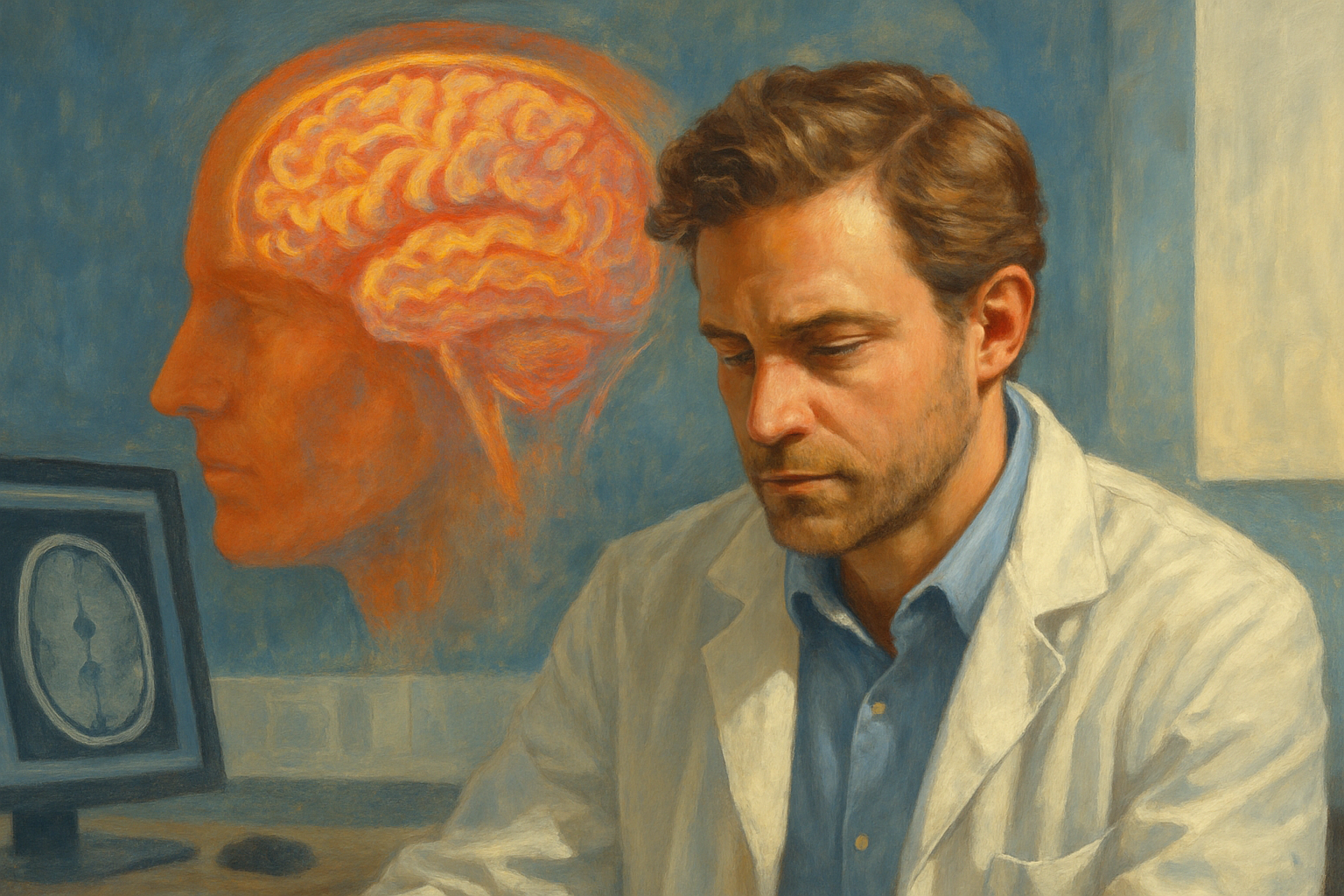
Scientists have found that Sigmund Freud’s ideas from about 130 years ago align closely with recent neuroscience research. Freud suggested that the mind is not simply reacting to the world but is actively involved in predicting and shaping our experiences.
Understanding the Brain's Predictions
Modern neuroscience shows that the brain continuously makes predictions about incoming sensory information to efficiently process the environment. These predictions influence how we perceive reality, essentially creating our experience by anticipating what will happen next.
How This Links to Freud’s Theories
Freud's early psychoanalytic theory emphasized the unconscious mind’s role in shaping behavior and thought patterns. The new findings suggest that these unconscious processes might work via predictive mechanisms in the brain, which constantly generate expectations and sometimes distort reality.
Research Evidence
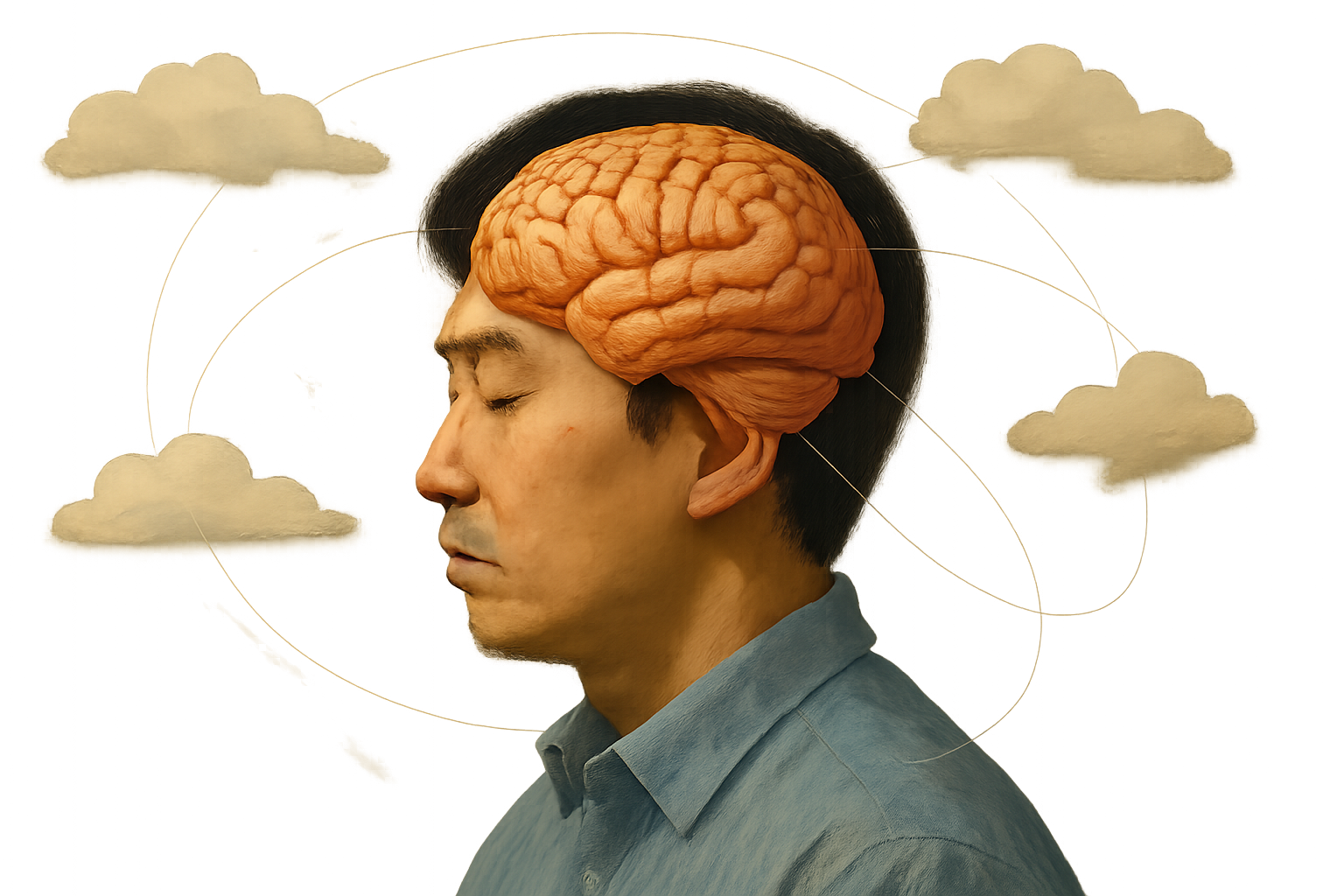
Current studies use brain imaging and computational models to demonstrate this predictive nature. While Freud’s original ideas were speculative, neuroscience now provides measurable ways to observe how predictions contribute to perception and cognition.
Implications for Mental Health
This perspective offers a new way to understand why negative or harmful thought patterns, like those seen in mental disorders, can be so persistent. If the brain’s predictions are biased or distorted, this could reinforce unhealthy views of the world. Addressing these prediction processes might open innovative paths for therapy.
Limitations and Uncertainties
However, it is important to recognize that parallels between Freud’s theories and modern neuroscience do not mean full confirmation of his ideas. Freud’s work was broad and not based on empirical methods, whereas current neuroscience relies on data but still faces challenges in directly linking prediction errors to complex mental disorders.
Moreover, understanding how exactly predictive brain processes can be modified in patients remains an ongoing area of study. Treatments influenced by these insights are not yet widely available or fully tested.
Source: ScienceDaily Medical
Paste the copied caption into your Instagram post. Caption links are not clickable; add the article URL to a Story link sticker or your profile link.
Open Instagram