Mysterious Brain Activity Under Anesthesia Challenges What We Know About Consciousness
Research from Baylor University shows the brain can process language and predict story elements even under general anesthesia, raising new questions about unconscious brain function.
Paste the copied caption into your Instagram post. Caption links are not clickable; add the article URL to a Story link sticker or your profile link.
Open InstagramFor information, not personal medical advice. Discuss treatment decisions with a qualified clinician.
Key takeaways
- Research from Baylor University shows the brain remains active during general anesthesia, continuing to process language and predict story events despite loss of conscious awareness.
- The study challenges the assumption that anesthesia fully turns off conscious processing, revealing sophisticated unconscious brain functions persist.
- Findings do not indicate conscious awareness under anesthesia; more research is needed to clarify the relationship between unconscious brain activity and consciousness.
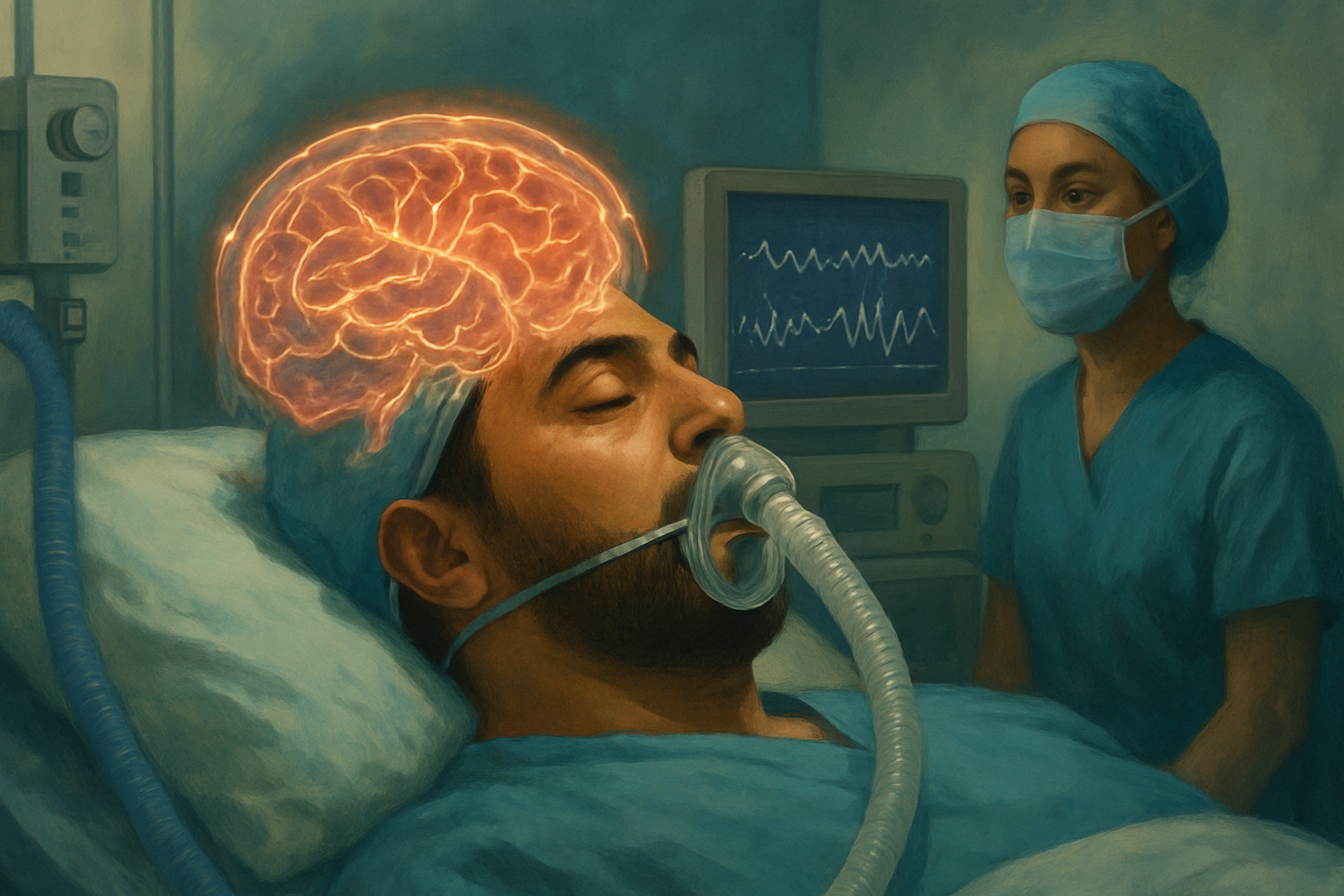
Recent research conducted by scientists at Baylor University reveals that the human brain remains surprisingly active during general anesthesia, a state previously thought to induce complete unconsciousness. The study found that even when people are anesthetized, their brains can still analyze language, distinguish different types of words, and anticipate what might happen next in a story.
Understanding the Finding
General anesthesia is used in medicine to temporarily block awareness and sensation, typically during surgery. Traditionally, it has been assumed that this state effectively turns off conscious processing. However, this new research suggests that some complex brain functions continue despite the loss of conscious awareness.
The Evidence
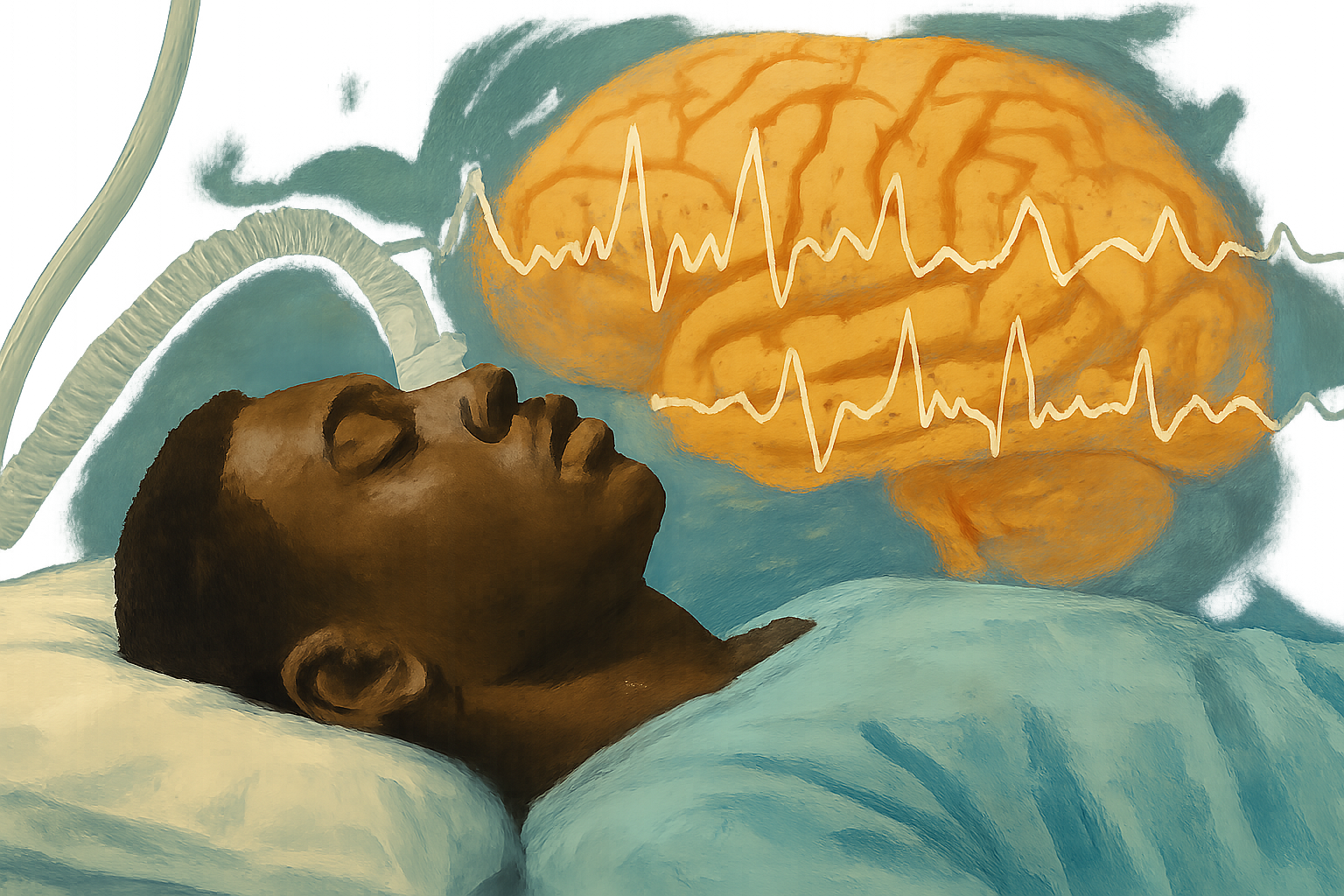
Researchers monitored brain activity and observed responses related to language processing under anesthesia. They found that the brain's analysis of language and its ability to predict upcoming words or story events remained active. This implies that the brain’s unconscious mechanisms can perform sophisticated tasks even when consciousness is suppressed.
Limitations and Uncertainties
While these findings demonstrate unexpected brain activity during anesthesia, they do not mean that patients under anesthesia are consciously aware of their surroundings or experiences. The distinction between unconscious brain processing and conscious perception is important. More research is needed to understand how these brain activities relate to consciousness and what this means for anesthesia practice.
Possible Implications
This discovery challenges existing models of consciousness and suggests the unconscious brain may be more capable than previously appreciated. It may influence how scientists study consciousness and how anesthesiology is approached, potentially impacting patient safety and monitoring in the future.
Source: ScienceDaily Neuroscience
Paste the copied caption into your Instagram post. Caption links are not clickable; add the article URL to a Story link sticker or your profile link.
Open Instagram