Nasal Vaccine Additive Shows Long-Lasting Flu Protection in Mice
A nasal vaccine additive helped mice survive flu infection even 100 days after treatment, suggesting temporary strengthening of natural defenses without targeting a specific virus.
Paste the copied caption into your Instagram post. Caption links are not clickable; add the article URL to a Story link sticker or your profile link.
Open InstagramFor information, not personal medical advice. Discuss treatment decisions with a qualified clinician.
Key takeaways
- A nasal vaccine additive tested in mice boosted their general immune response, improving survival against flu even 100 days after treatment.
- The additive enhanced natural defenses in the respiratory tract, suggesting potential for broad, long-lasting flu protection.
- These findings are limited to animal studies; safety, effectiveness, and applicability in humans remain unknown.
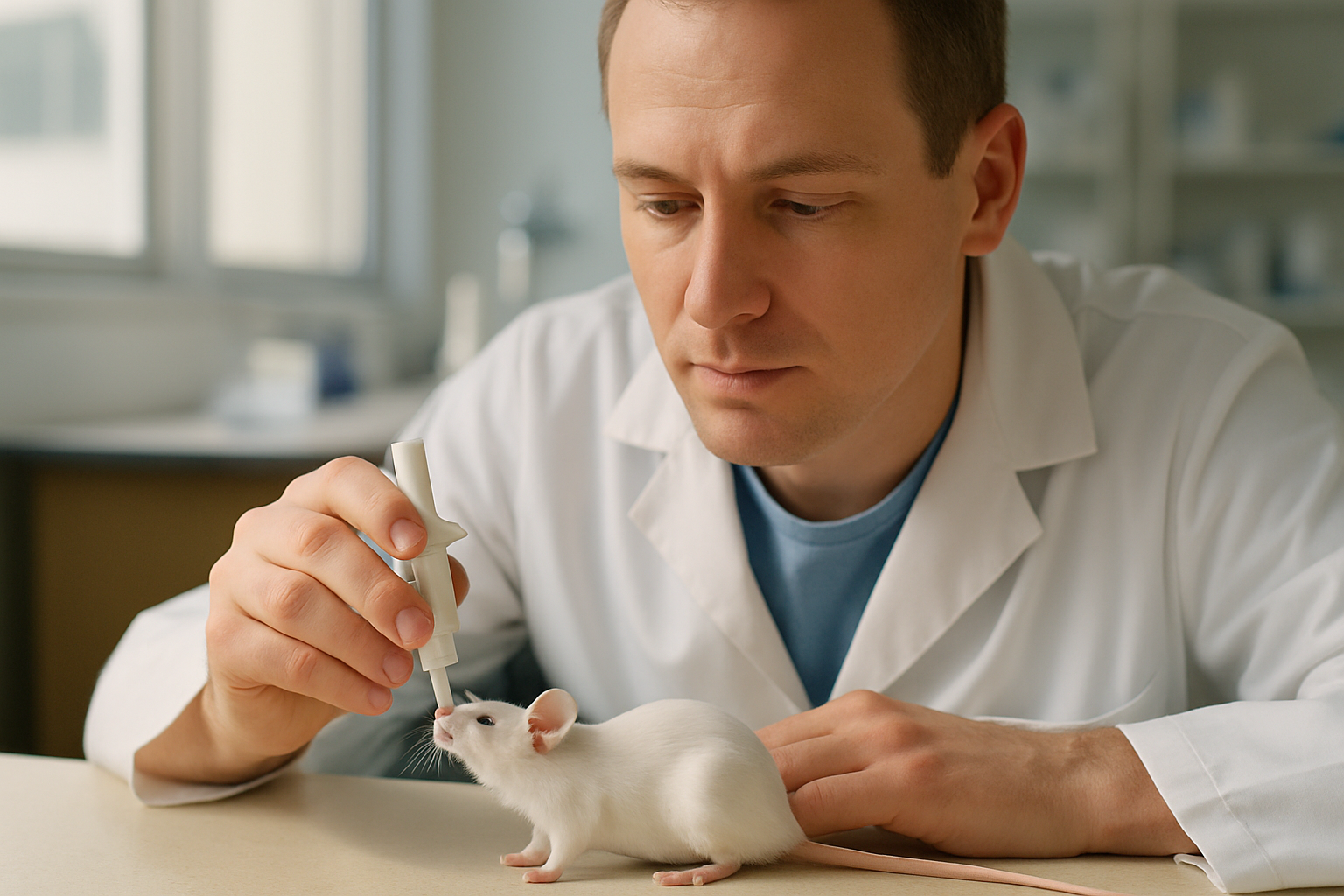
The COVID-19 pandemic highlighted how difficult it can be to protect people quickly when a new respiratory virus appears. Vaccines were developed rapidly, but there was still a vulnerable window before they became widely available. This raised the question of whether it might be possible to improve the body's natural defense mechanisms temporarily, without needing to know exactly which virus will arrive.
In laboratory research, scientists tested a nasal vaccine additive that was given to mice. This additive aimed to boost the animals' immune response in a general way rather than targeting one specific flu strain. Remarkably, even 100 days after receiving this nasal treatment, mice showed better survival rates when exposed to the flu virus compared to untreated mice.
What the Evidence Shows
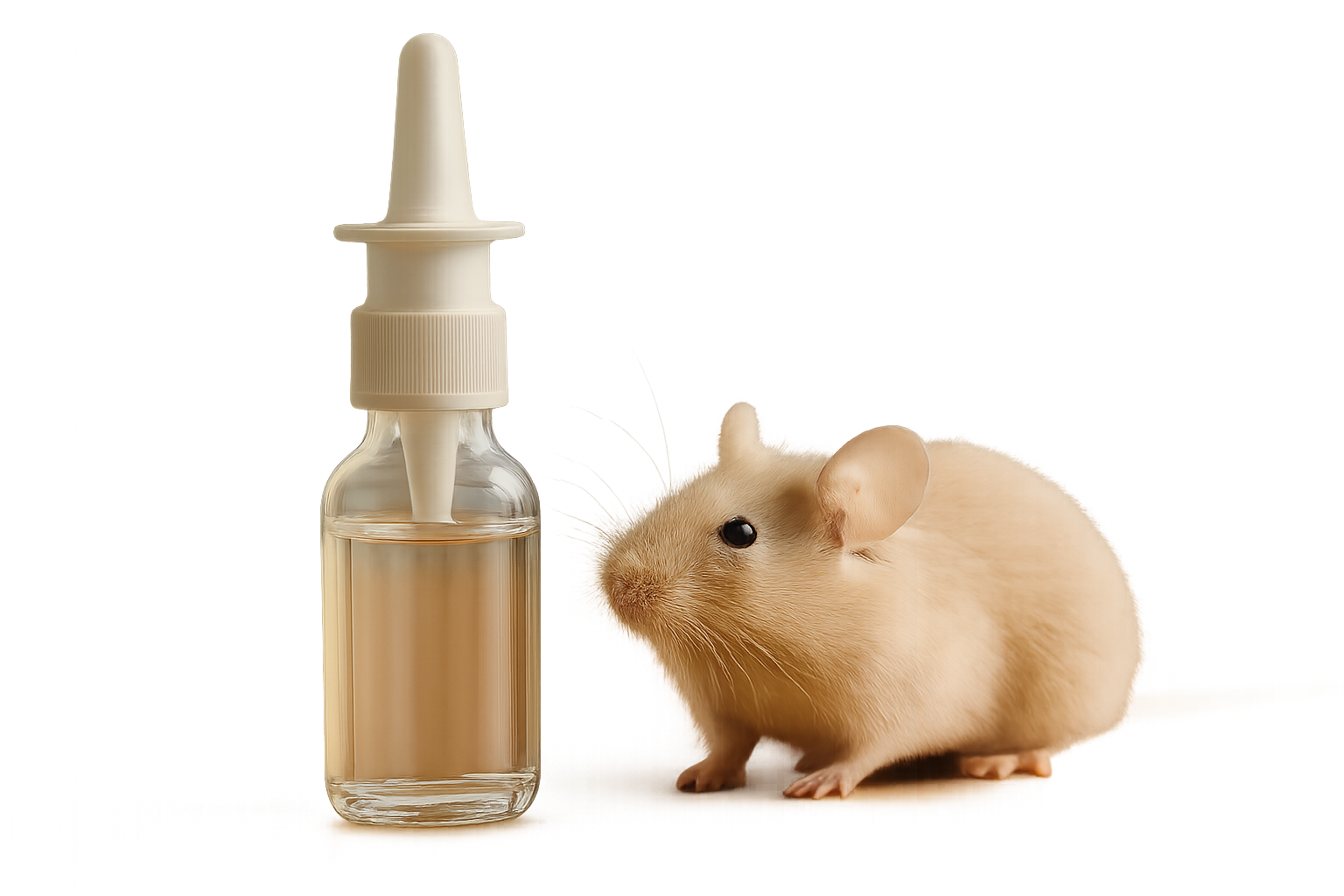
The findings came from animal studies in mice. The nasal additive appeared to enhance natural defenses in the respiratory tract, leading to improved survival long after treatment. This suggests that nasal immune stimulation may provide broad protection lasting months.
Limitations and What is Unknown
- These experiments were done only in mice; human biology may respond differently.
- It is unclear how well the findings would translate to actual respiratory viruses in people, or whether the additive is safe and effective for human use.
- The research did not involve actual vaccines but an additive aimed to boost immunity;
- The exact mechanism by which the additive supports long-lasting protection was not fully explained.
- The treatment is not a substitute for vaccines targeting specific viruses, which remain essential for robust protection.
Possible Implications
If confirmed and developed further, nasal immune stimulants might serve as temporary shields against a range of respiratory viruses during outbreaks, especially when vaccines are not yet available. However, much more research, including human clinical trials, would be needed to confirm effectiveness and safety.
Source: Medical Xpress
Paste the copied caption into your Instagram post. Caption links are not clickable; add the article URL to a Story link sticker or your profile link.
Open Instagram