New Approach May Protect Brain from Alzheimer's Damage Without Removing Tau Protein
Research in mice suggests blocking certain immune cells could reduce brain damage and memory loss in Alzheimer's disease, without needing to clear toxic tau protein.
Paste the copied caption into your Instagram post. Caption links are not clickable; add the article URL to a Story link sticker or your profile link.
Open InstagramFor information, not personal medical advice. Discuss treatment decisions with a qualified clinician.
Key takeaways
- A new Alzheimer’s treatment strategy in mice focuses on blocking harmful immune cells rather than removing tau proteins, preserving around 40% more brain tissue in memory-related areas.
- Mice treated with this approach showed improved memory performance, suggesting immune modulation might protect neurons and enhance cognitive function.
- Research is preliminary and limited to animal studies; effects on humans, long-term disease progression, and immune implications remain unknown.

Alzheimer's disease involves harmful changes in the brain, including the buildup of tau proteins and loss of nerve cells essential for memory. A recent study in mice has explored a different way to protect the brain, focusing on immune cells that may cause neuron damage.
Scientists Target Immune Cells to Protect Brain Tissue
Instead of removing the toxic tau protein traditionally linked to Alzheimer's, researchers tested a treatment that blocks specific immune cells known to contribute to neuron destruction. In these animal studies, the intervention preserved about 40% more brain tissue in areas vital to memory.
Evidence from Animal Studies Shows Memory Improvement
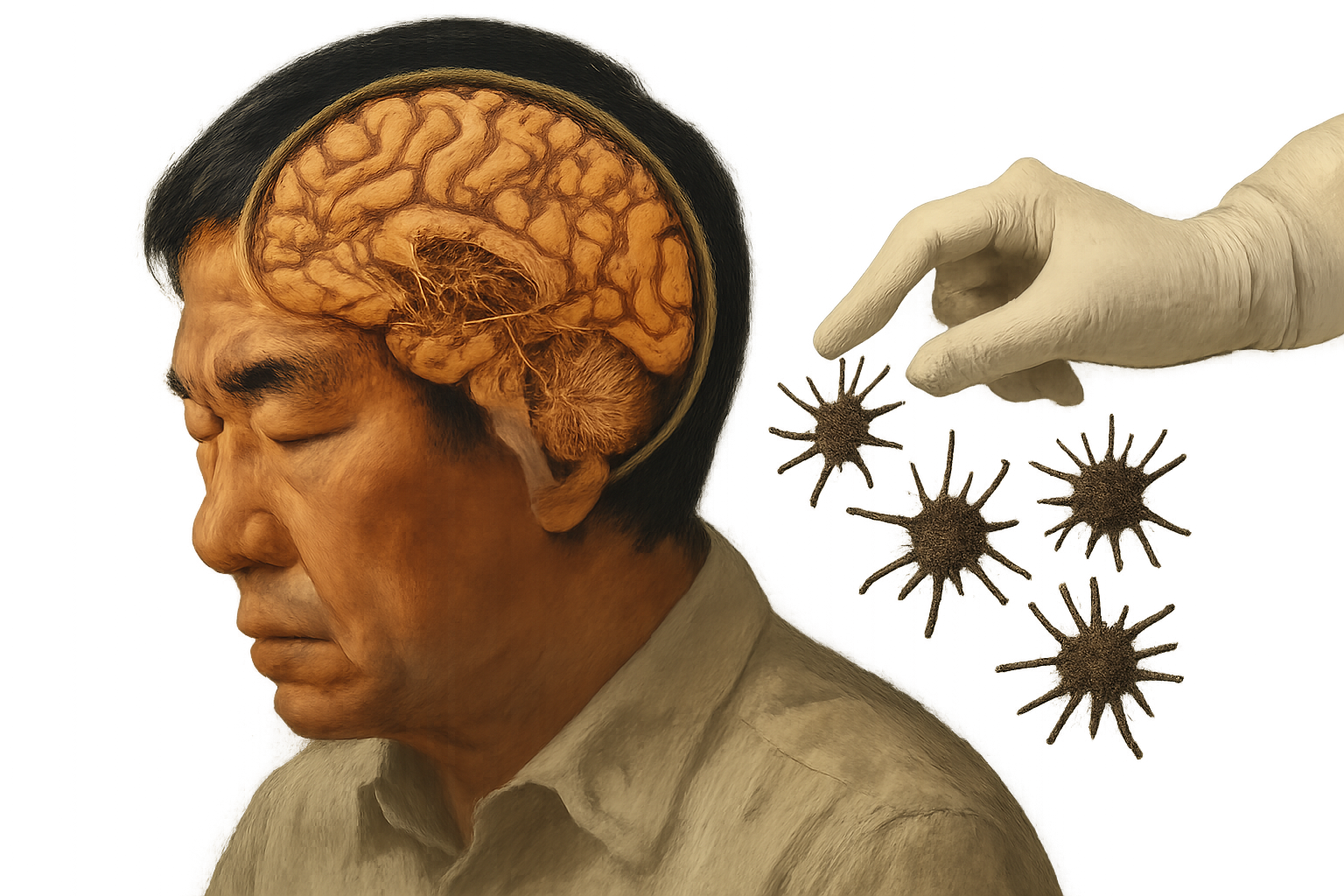
The mice receiving this experimental treatment not only had more preserved brain tissue but also showed better memory performance. This suggests that reducing harmful immune activity can protect neurons and improve cognitive function, at least in this animal model.
Limitations and What We Don’t Yet Know
- This research has so far only been conducted in mice; it is not known whether the same approach will be effective or safe in humans.
- The treatment does not remove the tau protein deposits themselves, so the long-term effects on disease progression remain unclear.
- It is uncertain if targeting immune cells could have unintended effects on the brain’s ability to fight infections or other functions.
Possible Implications
If future research confirms these findings in humans, this strategy could offer a new way to slow or reduce brain damage in Alzheimer’s disease by modulating immune responses rather than targeting tau directly. However, much more research is needed before it could become a treatment option.
Source: ScienceDaily Medical
Paste the copied caption into your Instagram post. Caption links are not clickable; add the article URL to a Story link sticker or your profile link.
Open Instagram