New Coating for Mitochondria May Protect Cellular Energy Factories
Researchers have developed a novel coating for mitochondria aimed at preserving their energy-producing function, a step that might one day help treat diseases related to mitochondrial damage. However, its success in actual mitochondrial transplantation has not yet been demonstrated.
Paste the copied caption into your Instagram post. Caption links are not clickable; add the article URL to a Story link sticker or your profile link.
Open InstagramFor information, not personal medical advice. Discuss treatment decisions with a qualified clinician.
Key takeaways
- Mitochondria, known as cellular powerhouses, generate the energy needed for cell function and their damage is linked to various diseases, including metabolic and age-related conditions.
- A new high-tech coating has been developed to protect mitochondria’s energy-producing ability outside the cell and during transfer to damaged cells, preserving function in lab settings.
- While coated mitochondria maintain energy production better in vitro, there is currently no evidence of successful mitochondrial transplantation improving cell function or health outcomes in living organisms.
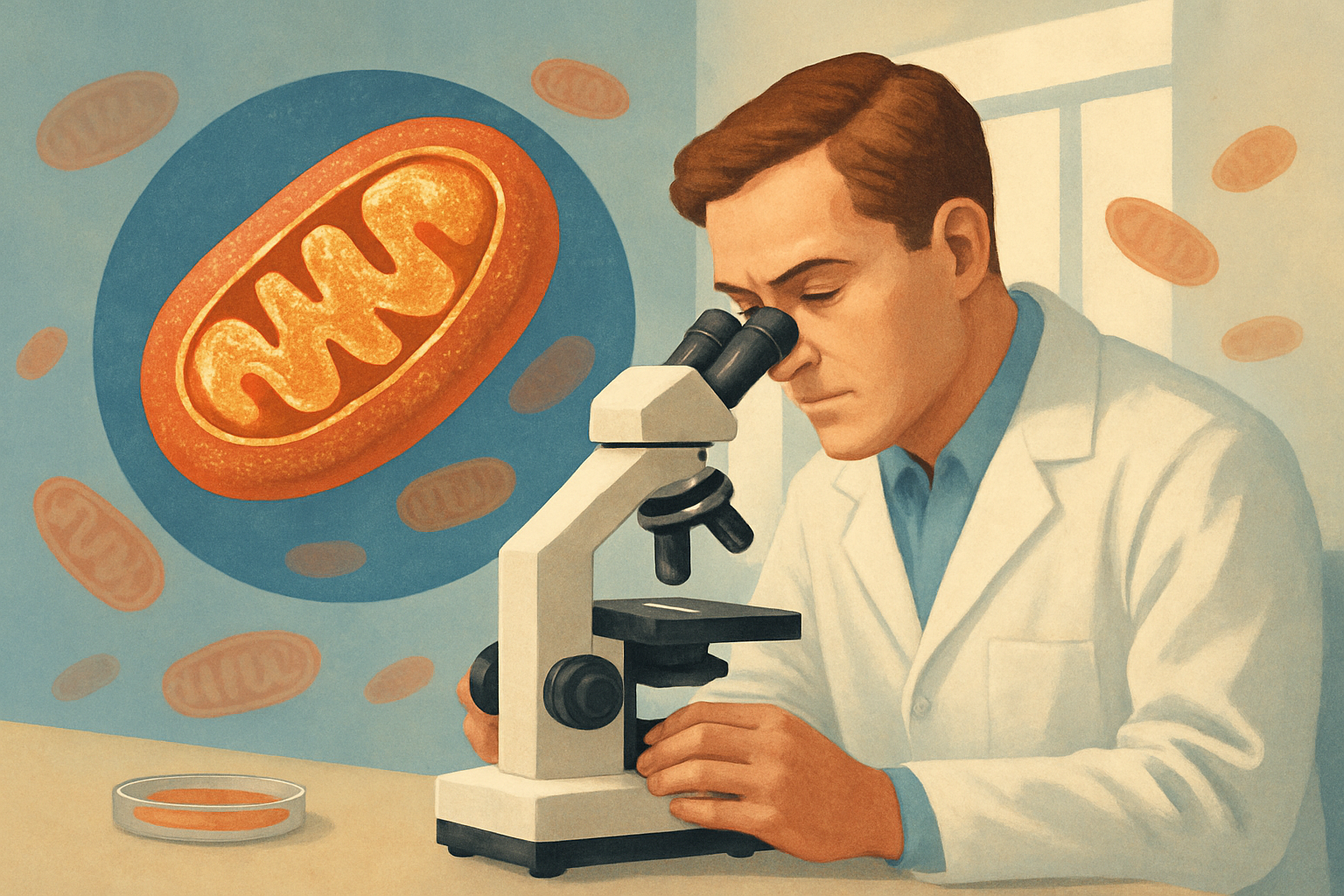
What are mitochondria and why are they important?
Mitochondria are tiny structures inside our cells often described as powerhouses because they generate the energy cells need to function. Damage to mitochondria can contribute to a range of diseases, including some metabolic disorders and age-related conditions.
New Coating Technology
Scientists have developed a new high-tech coating designed to surround mitochondria and protect their ability to produce energy.
This coating aims to preserve mitochondrial function outside the cell and potentially during transfer into damaged or diseased cells. Protecting mitochondria during such procedures may be important because their energy-producing ability can deteriorate quickly when removed from their natural environment.
Evidence So Far
The research to date shows that coated mitochondria retain their energy production capacity better in laboratory settings. This suggests the coating can shield mitochondria from damage during handling and storage.

However, at this stage, there is no evidence that transferring these coated mitochondria into living cells or patients successfully restores cell function or improves health outcomes.
Limitations and Uncertainties
While preserving mitochondrial function in a lab is promising, it does not guarantee that coated mitochondria will survive, integrate, or function effectively when transplanted into damaged tissues.
More studies are needed to test whether this technology can actually improve mitochondrial transplantation procedures, and whether this approach can safely and effectively benefit patients with mitochondrial-related diseases.
Potential Implications
If future research confirms that this coating helps transfer healthy mitochondria into damaged cells and improves their energy production, it could open new therapeutic avenues for conditions linked to mitochondrial dysfunction.
For now, this technology remains experimental and further testing is needed before any clinical applications become available.
Source: ScienceDaily Medical
Paste the copied caption into your Instagram post. Caption links are not clickable; add the article URL to a Story link sticker or your profile link.
Open Instagram