New Drug Shows Promise in Reversing Severe Fatty Liver Disease by Repairing Gut Health
Researchers have found that a potential drug can reverse fatty liver disease in animal studies by improving gut health and preventing toxic substances from damaging the liver. This discovery may lead to new treatments for liver and heart conditions, although research in humans is needed.
Paste the copied caption into your Instagram post. Caption links are not clickable; add the article URL to a Story link sticker or your profile link.
Open InstagramFor information, not personal medical advice. Discuss treatment decisions with a qualified clinician.
Key takeaways
- A new drug has been shown in animal studies to reverse severe fatty liver disease by repairing damage to the gut, preventing toxic substances from reaching the liver.
- The research demonstrates improved gut barrier function and decreased liver disease markers in treated animal models.
- No human studies have yet been done, so the drug’s safety, side effects, and effectiveness in people remain unknown.
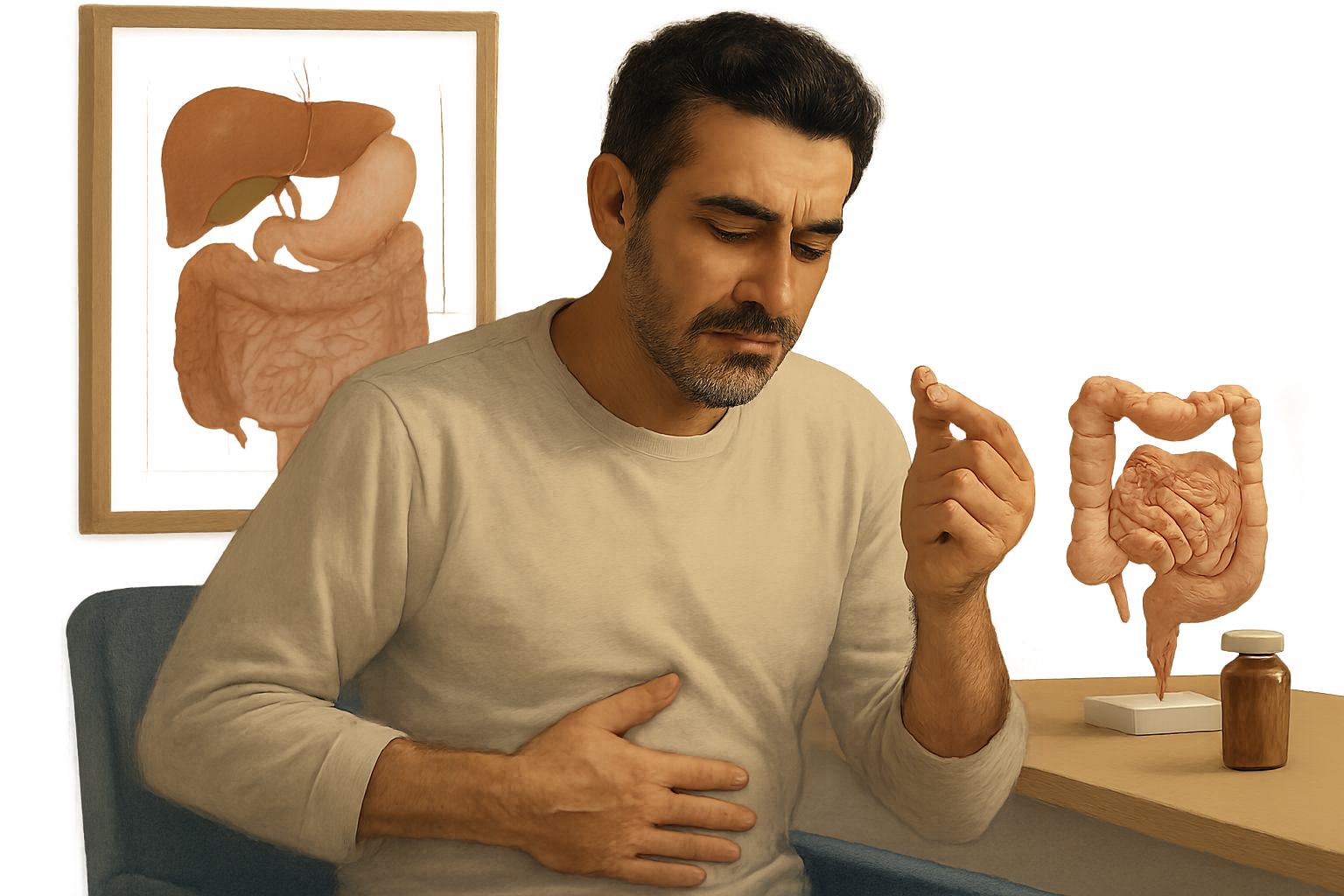
Fatty liver disease, a condition where excess fat builds up in the liver, can become severe and cause serious health problems. Scientists have been investigating new ways to treat this disease by focusing on the link between the gut and liver.
The New Finding
In recent animal experiments, a new drug was found to reverse severe fatty liver disease. It worked by repairing damage in the gut, which is important because a harmful imbalance here can allow toxic substances to reach the liver and worsen disease.
This drug helped restore the gut's barrier and prevented these toxic substances from affecting the liver. As a result, the liver showed signs of healing and improved function in animal models.
The Evidence
The evidence comes from laboratory and animal studies. Researchers used animals with severe fatty liver disease and treated them with the drug. They observed that gut health improved and liver disease markers decreased.
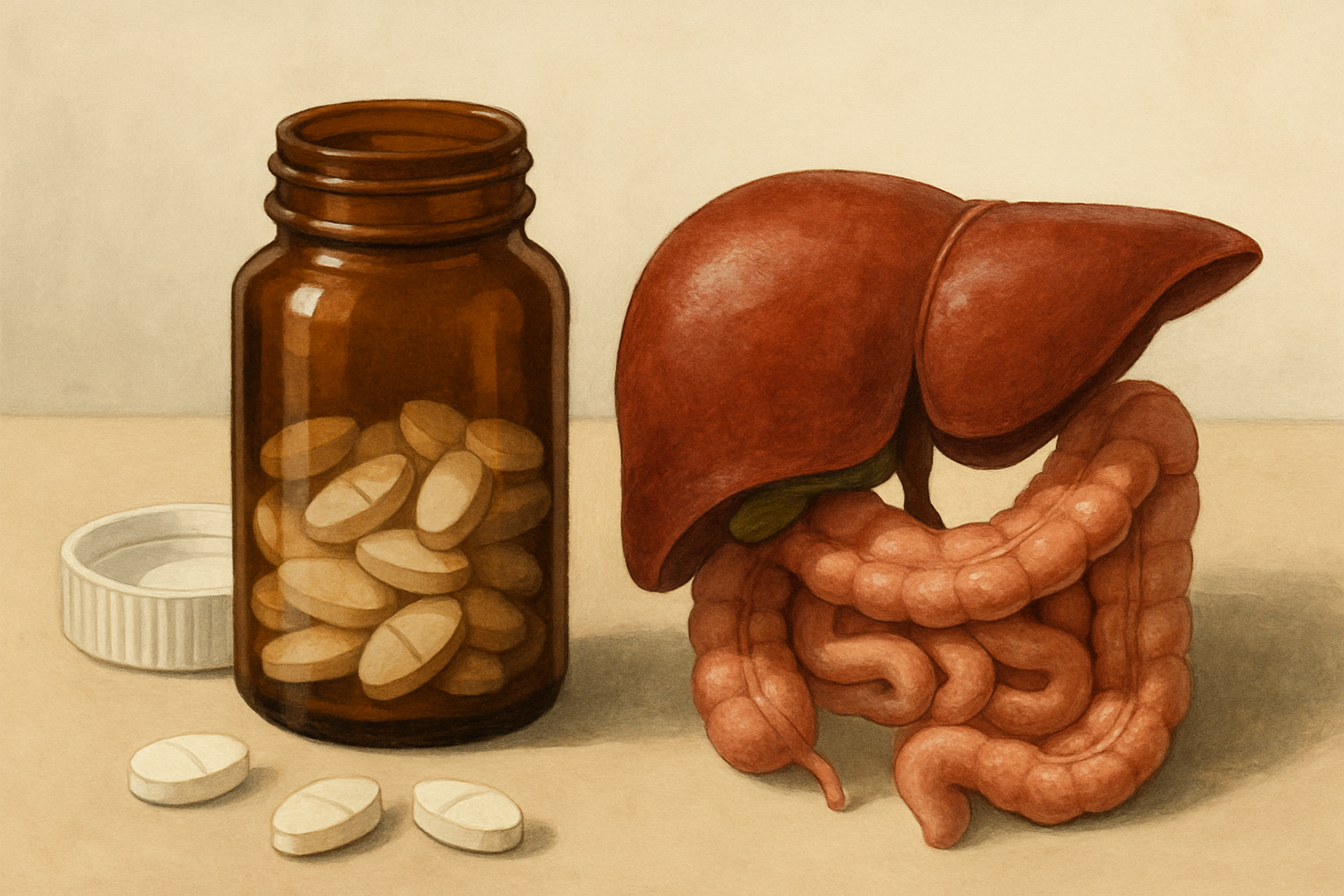
While these findings are promising, it is important to note that no human studies have been conducted yet to confirm these effects or establish safety and dosing.
Limitations and Uncertainties
Since the research is limited to animal models, it is unclear whether the drug will be effective or safe in people. Animal biology can differ from humans, and treatments that work in animals do not always translate to human benefits.
Additionally, the study did not report on possible side effects or long-term impacts of the drug.
Potential Implications
If future human trials confirm these results, this drug could become a new treatment option for fatty liver disease. Since fatty liver disease is linked to cardiovascular problems, repairing the gut might also help reduce risks for heart disease and other conditions.
For now, more research, especially clinical trials in humans, is needed before considering this drug as a treatment.
Source: ScienceDaily Medical
Paste the copied caption into your Instagram post. Caption links are not clickable; add the article URL to a Story link sticker or your profile link.
Open Instagram