New Genetic Variant Linked to Neurodevelopmental Disorder Mechanisms
Scientists at the Children's Hospital of Philadelphia have identified how newly discovered changes in a gene contribute to symptoms of a neurodevelopmental disorder, highlighting a key biological pathway involved in brain development.
Paste the copied caption into your Instagram post. Caption links are not clickable; add the article URL to a Story link sticker or your profile link.
Open InstagramFor information, not personal medical advice. Discuss treatment decisions with a qualified clinician.
Key takeaways
- Researchers at CHOP identified new genetic variants linked to neurodevelopmental disorders, revealing disruptions in a key biological pathway crucial for brain development.
- The study published in the American Journal of Human Genetics provides insights into how gene variants affect cellular functions related to neurodevelopmental symptoms.
- Details on participants, specific genes, or potential treatments remain unclear, highlighting the early stage of this research and the need for further investigation.
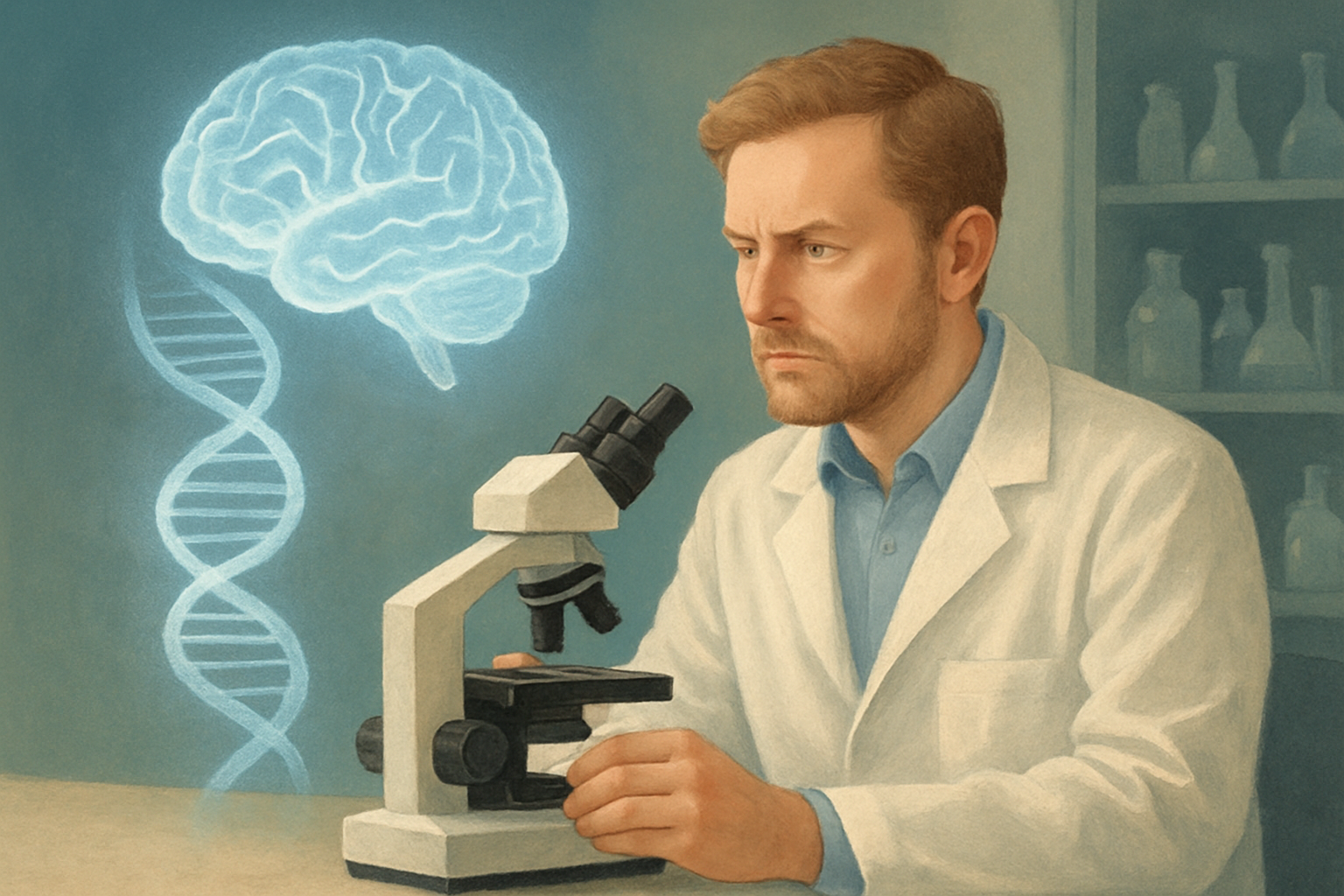
Researchers at the Children's Hospital of Philadelphia (CHOP) have uncovered how certain previously unknown genetic changes can lead to neurodevelopmental disorder symptoms by affecting a critical biological pathway important for brain development.
What the researchers found
The study focused on newly identified variants—specific changes—in a gene linked to neurodevelopmental problems. By studying these variants, researchers gained insight into how disruptions in a particular cellular pathway may cause the symptoms observed in affected individuals.
Evidence details
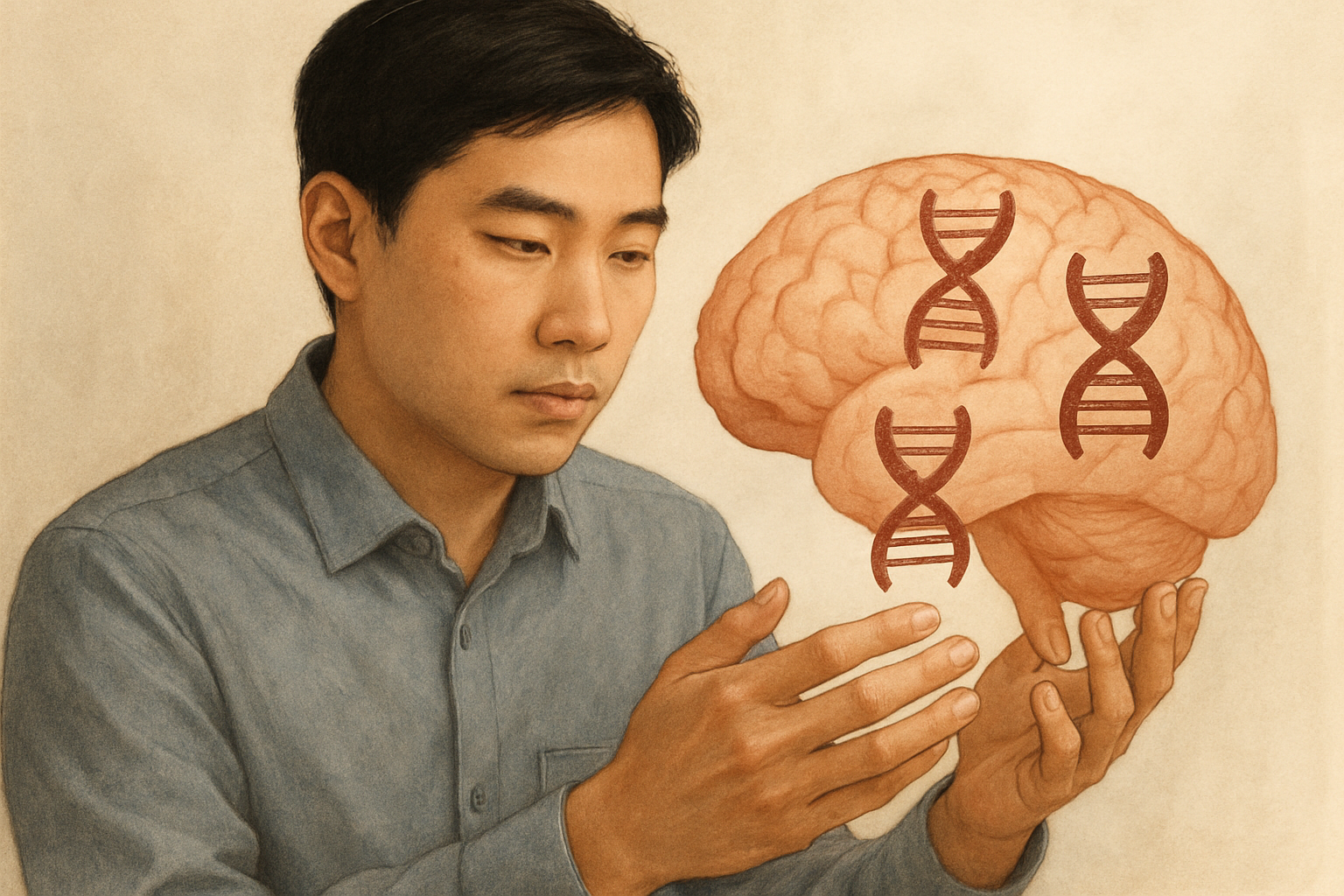
The findings were published in the American Journal of Human Genetics. While the summary does not specify, such studies typically involve genetic analyses from patient samples and laboratory experiments that show how the gene variants impact cellular functions related to brain development.
Limitations and uncertainties
The brief information provided does not detail the number or type of participants, the exact gene or pathway involved, or how this discovery translates into potential treatments. It remains unclear how these findings might affect diagnosis or therapy options in the near term.
Implications
Understanding the genetic and biological mechanisms behind neurodevelopmental disorders is important for developing better diagnostic tools and potentially new therapies in the future. This study adds valuable knowledge about critical pathways in brain development, which may guide ongoing research.
Source: Medical Xpress
Paste the copied caption into your Instagram post. Caption links are not clickable; add the article URL to a Story link sticker or your profile link.
Open Instagram