New paper outlines growing role of interventional radiology in liver cancer treatment
A recent study highlights how interventional radiologists deliver effective, cost-efficient care for primary and secondary liver cancer patients, offering an important treatment option distinct from other medical specialties.
Paste the copied caption into your Instagram post. Caption links are not clickable; add the article URL to a Story link sticker or your profile link.
Open InstagramFor information, not personal medical advice. Discuss treatment decisions with a qualified clinician.
Key takeaways
- Interventional radiology (IR) plays a growing role in treating both primary and secondary liver cancer using minimally invasive imaging-guided procedures.
- IR treatments like ablation and embolization can effectively control tumors while potentially lowering healthcare costs compared to other specialties.
- The new study highlights promising outcomes but lacks detailed comparative data and long-term evidence, signalling the need for further research.
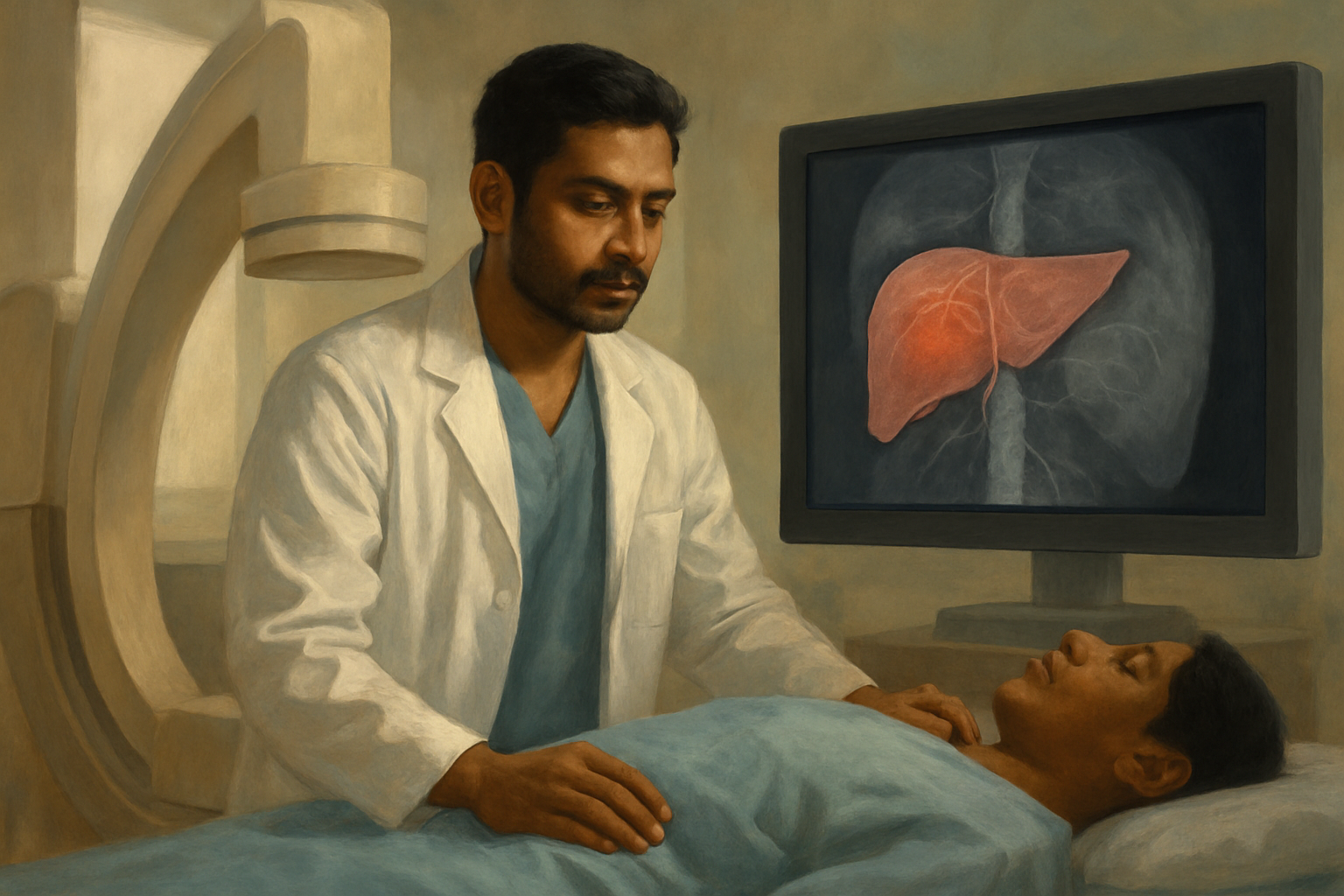
A new study published online in the Journal of Vascular and Interventional Radiology sheds light on the expanding role of interventional radiology (IR) in treating liver cancer, both primary (originating in the liver) and secondary (spread from other cancers).
What is Interventional Radiology?
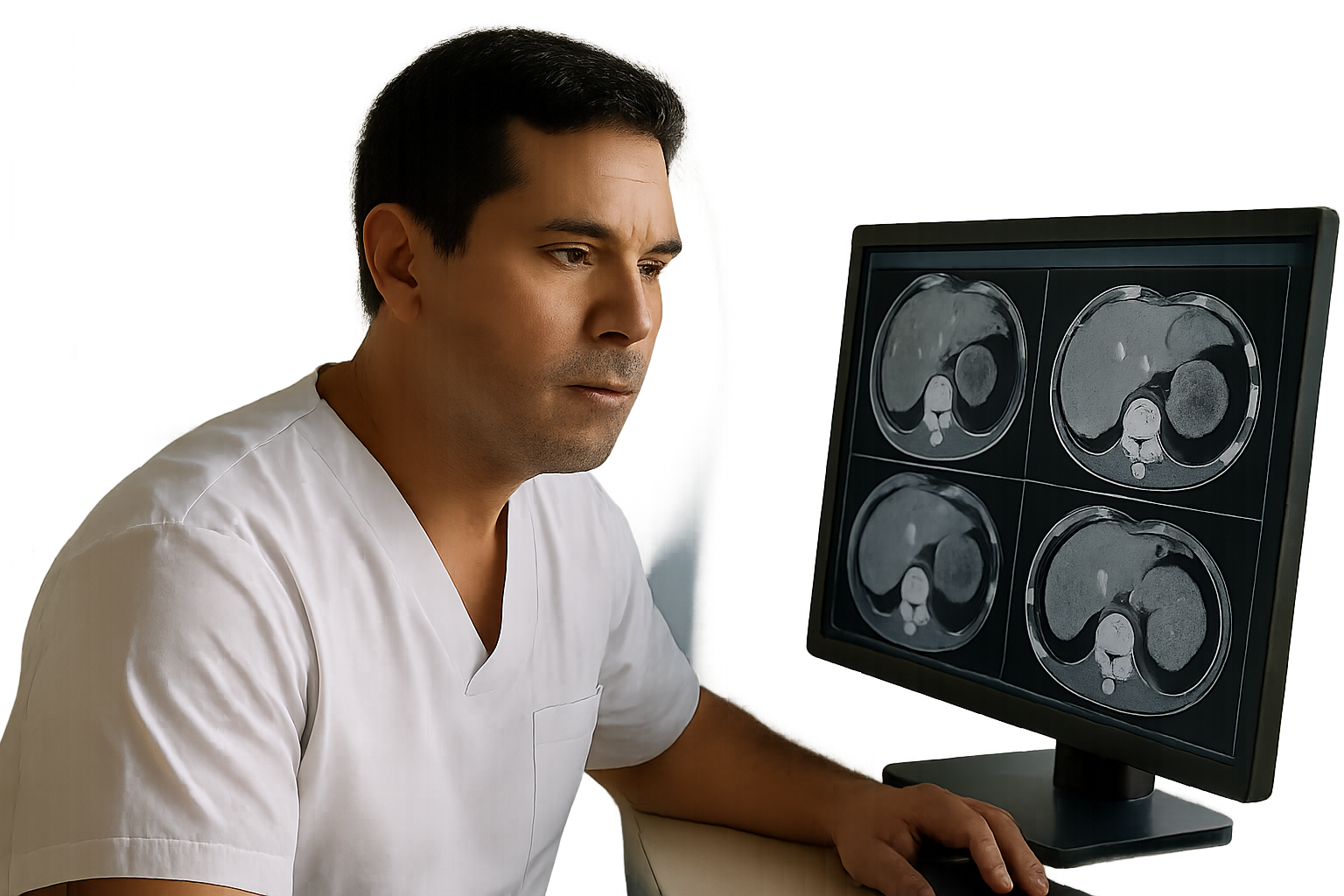
Interventional radiologists use imaging technologies such as X-rays, CT scans, and ultrasound to perform minimally invasive procedures. These techniques allow targeted treatment of tumors and other abnormalities in the liver without the need for large surgical incisions.
Study Findings
The study suggests that interventional radiologists provide high-quality, high-impact care to liver cancer patients in a way that tends to be more cost-efficient compared to other specialties managing similar conditions.
This means IR procedures can effectively control or reduce tumors while potentially lowering healthcare costs. Interventional treatments can include procedures like ablation (destroying tumors with heat or cold) and embolization (blocking blood flow to tumors).
Evidence and Limitations
While the study points to promising outcomes and cost benefits, the full comparative details between IR and other specialties are not detailed in the summary. It is not specified whether these findings come from direct patient outcome comparisons or healthcare cost analyses alone.
Moreover, the study publication is recent, and broad adoption or long-term effects of IR treatments in liver cancer may need further research to confirm benefits and safety across diverse patient groups.
Possible Implications
Understanding the role of interventional radiology could influence treatment decisions for patients with liver cancer, potentially offering options that balance effectiveness with lower costs and minimal invasiveness.
Patients and healthcare providers should consider these findings alongside other clinical factors and consult specialists to determine the best individualized care approach.
Source: Medical Xpress
Paste the copied caption into your Instagram post. Caption links are not clickable; add the article URL to a Story link sticker or your profile link.
Open Instagram