New Research Identifies Multiple Regulatory Switches Controlling a Gene
Advances in genetic studies reveal additional DNA switches that influence gene activity, offering deeper insight into complex traits like breast cancer and diabetes.
Paste the copied caption into your Instagram post. Caption links are not clickable; add the article URL to a Story link sticker or your profile link.
Open InstagramFor information, not personal medical advice. Discuss treatment decisions with a qualified clinician.
Key takeaways
- New research using genome-wide association studies (GWAS) reveals multiple regulatory switches controlling gene function, beyond previously known single switches.
- These additional switches influence gene expression in complex ways, which may deepen understanding of genetic contributions to diseases like breast cancer, heart disease, and diabetes.
- While promising, these discoveries currently do not translate directly into new treatments or diagnostics and require more research to clarify their roles in disease mechanisms.
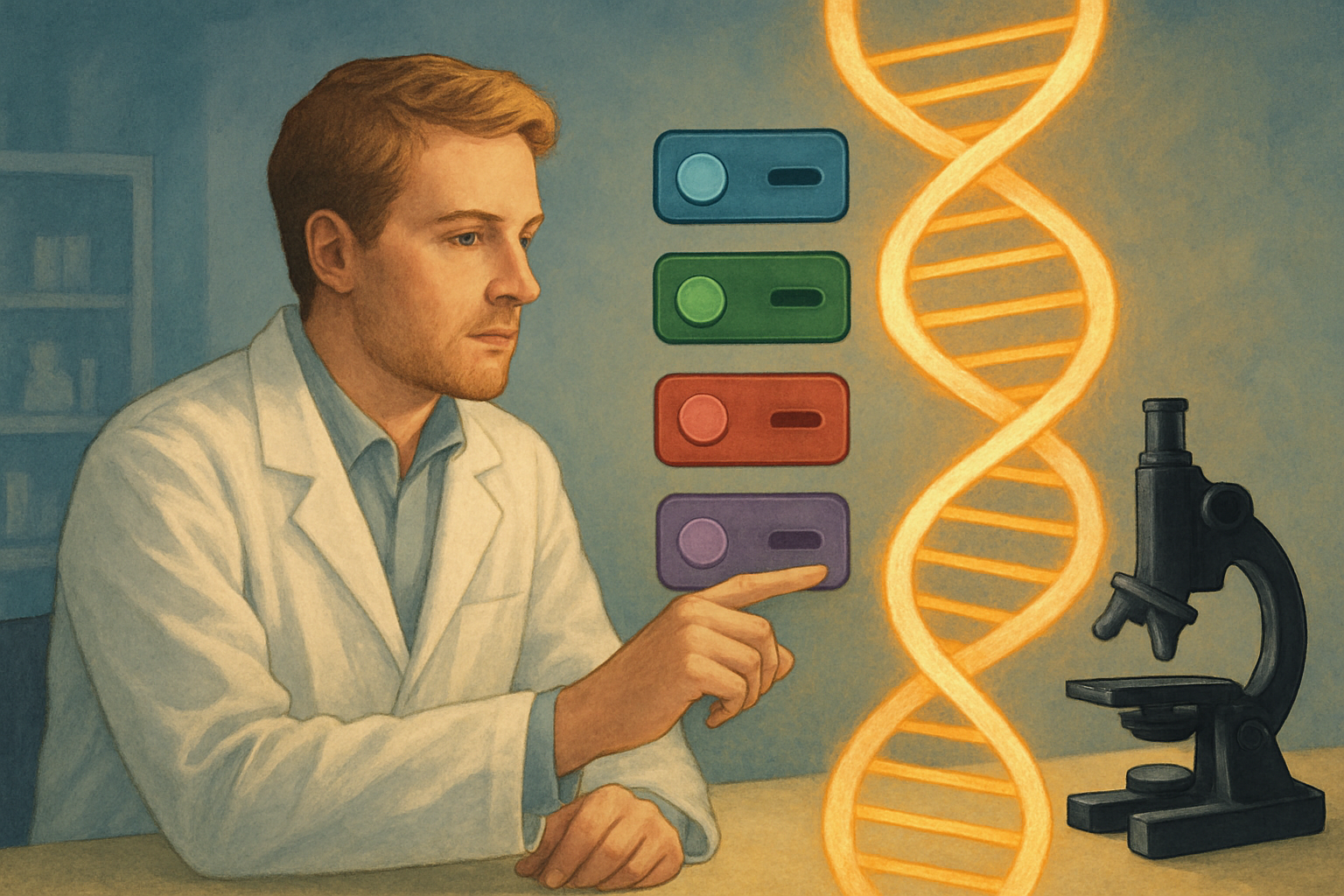
Scientists have long used genome-wide association studies (GWAS) to find genetic variations linked to various complex diseases and traits such as breast cancer, heart disease, and diabetes. Traditionally, these studies focus on particular gene regions or “switches” that regulate gene activity. Newer research now identifies not just a single switch, but multiple additional regulatory elements that control a gene’s function.
What This Means: Genes are influenced by several regulatory switches that can turn gene expression on or off or modulate it to varying degrees. Discovering the second, third, and even fourth switches broadens our understanding of how genes contribute to complex diseases and traits.
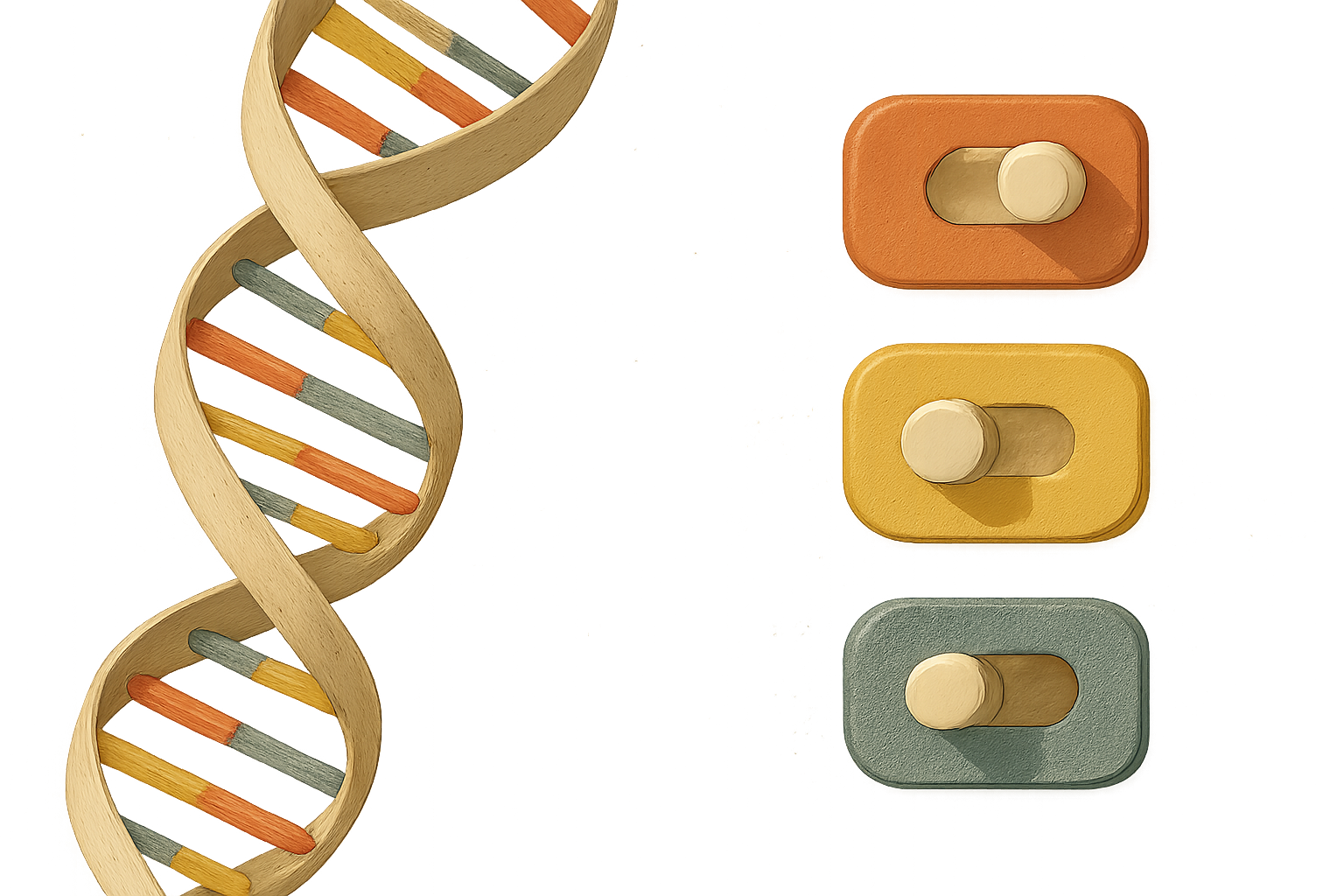
Evidence and Methodology: The identification of multiple switches comes from large GWAS datasets that analyze vast numbers of genetic variants across the genome. Larger, more detailed datasets allow scientists to detect subtle influences beyond the primary genetic loci already known.
Limitations and Unknowns: While locating these additional regulatory elements is a significant advance, it does not immediately translate to new treatments or diagnostic tools. Understanding how these switches interact and their exact role in disease biology requires further laboratory and clinical research. Also, finding associations does not prove that these switches cause disease directly; they may be linked to other causal factors.
Possible Implications: This deeper insight into gene regulation could eventually lead to more precise genetic risk assessments and targeted therapies. However, clinical applications remain a future goal as the functional impact of these multiple switches is studied more fully.
Source: Medical Xpress
Paste the copied caption into your Instagram post. Caption links are not clickable; add the article URL to a Story link sticker or your profile link.
Open Instagram