One Tooth, Six Clues: How a Single Tooth Can Help Identify Deceased Persons
Researchers have found that a single tooth can provide multiple types of forensic information to help identify unknown human remains, even when other methods are limited.
Paste the copied caption into your Instagram post. Caption links are not clickable; add the article URL to a Story link sticker or your profile link.
Open InstagramFor information, not personal medical advice. Discuss treatment decisions with a qualified clinician.
Key takeaways
- A single tooth can yield six types of forensic evidence, including age, sex, ancestry, diet, toxin exposure, and stable elements, aiding identification in decomposed remains.
- This forensic approach complements conventional methods and is useful when bodies are severely decomposed, though it relies on advanced techniques and intact tooth tissue.
- Accuracy and reliability depend on the forensic methods applied, which vary across laboratories; further research is needed to standardize these protocols.
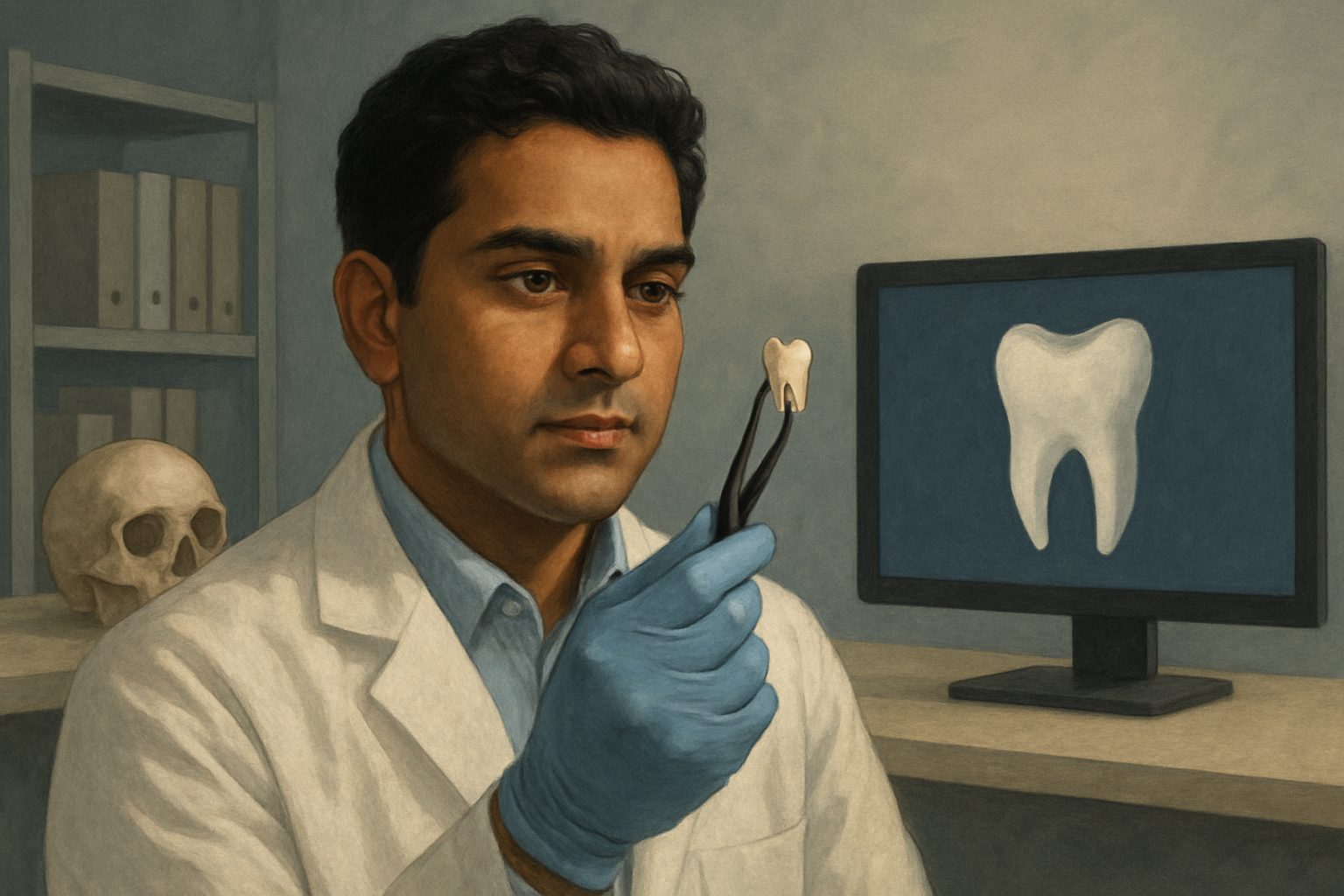
Forensic scientists from the Institute of Science Tokyo have studied how different tissues within a single tooth can reveal valuable clues about a deceased person. Their research indicates that, even in cases where remains are severely decomposed or reduced to bones, a tooth still holds multiple pieces of information that can assist in identification.
What the Tooth Can Reveal
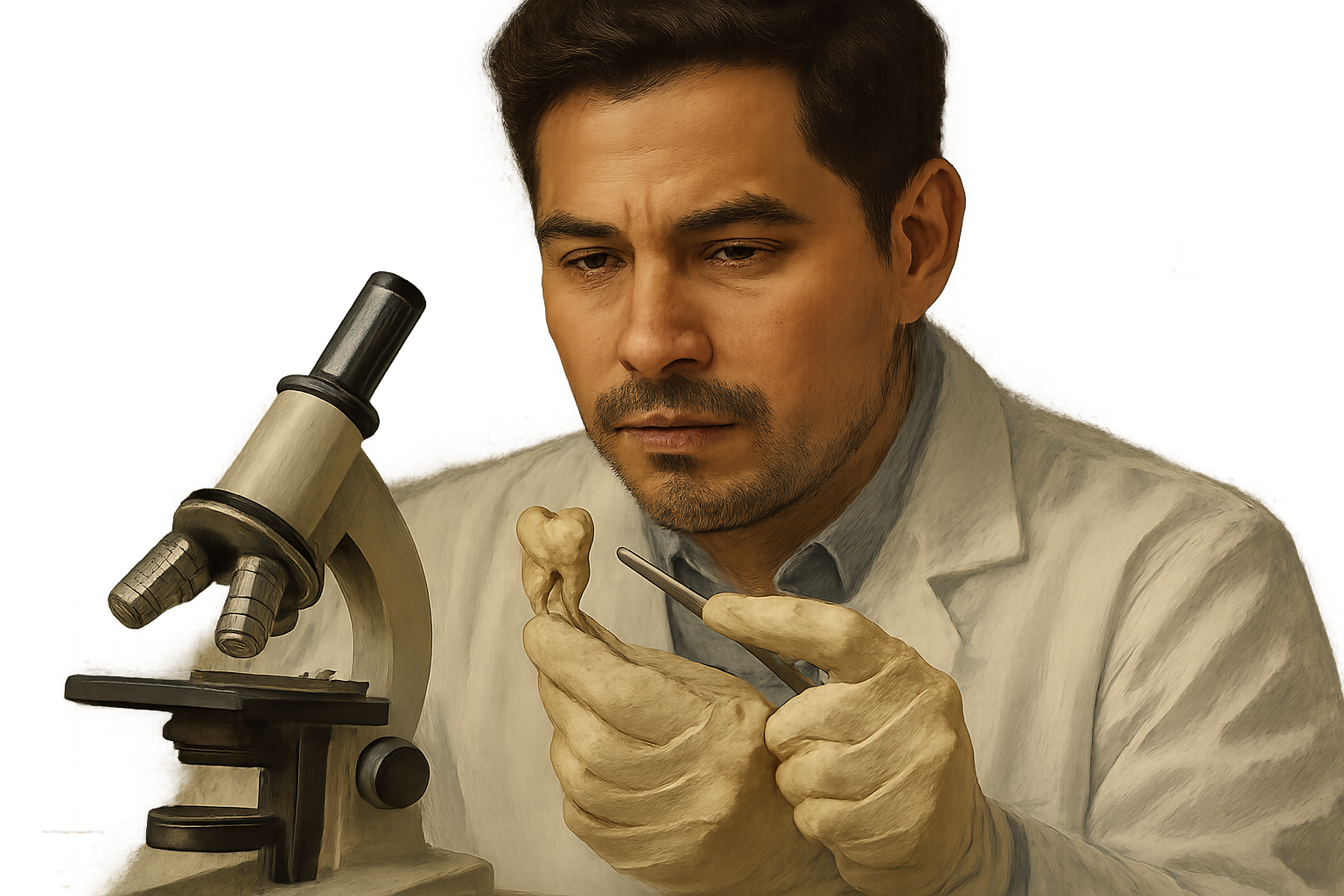
By applying six different forensic methods to various parts of one tooth, researchers extracted complementary types of evidence. These include biological data that might otherwise be difficult to obtain if the body is degraded.
Evidence from a Single Tooth
- Biological markers that help estimate age and sex.
- Information about ancestry or genetic traits.
- Environmental and chemical markers reflecting diet or geographic origin.
- Possible exposure to substances or toxins during life.
- Other stable elements that survive decomposition.
- Data enabling cross-validation with other forensic findings.
Limitations and Considerations
This integrated approach is promising but relies on advanced forensic techniques and availability of intact tooth tissue. It does not replace conventional identification methods but can complement them when the remains are badly decomposed or incomplete.
The exact accuracy and reliability of each clue depend on the specific forensic methods used, which can vary between laboratories. More research may be needed to standardize these approaches for routine forensic use.
Implications for Forensic Science
The study suggests that a single tooth can be a rich source of information in forensic cases, especially when the usual methods like fingerprinting or facial recognition are not possible. This could improve identification outcomes for unknown deceased persons and aid legal and humanitarian efforts.
Source: Medical Xpress
Paste the copied caption into your Instagram post. Caption links are not clickable; add the article URL to a Story link sticker or your profile link.
Open Instagram