Ovaries Remain Biologically Active Long After Menopause, New Study Finds
Research shows that ovaries continue to remodel and show biological activity decades after menopause, challenging the belief they become inactive. This ongoing activity includes inflammation and tissue changes, which may relate to ovarian cancer risk.
Paste the copied caption into your Instagram post. Caption links are not clickable; add the article URL to a Story link sticker or your profile link.
Open InstagramFor information, not personal medical advice. Discuss treatment decisions with a qualified clinician.
Key takeaways
- Ovaries remain biologically active for many years after menopause, undergoing tissue remodeling and increased inflammation.
- Molecular changes linked to ovarian aging may help explain the increased risk of ovarian cancer later in life.
- The study examined ovarian tissue from 28 women decades past menopause, revealing ongoing biological activity but not directly linking it to overall health effects or cancer causation.
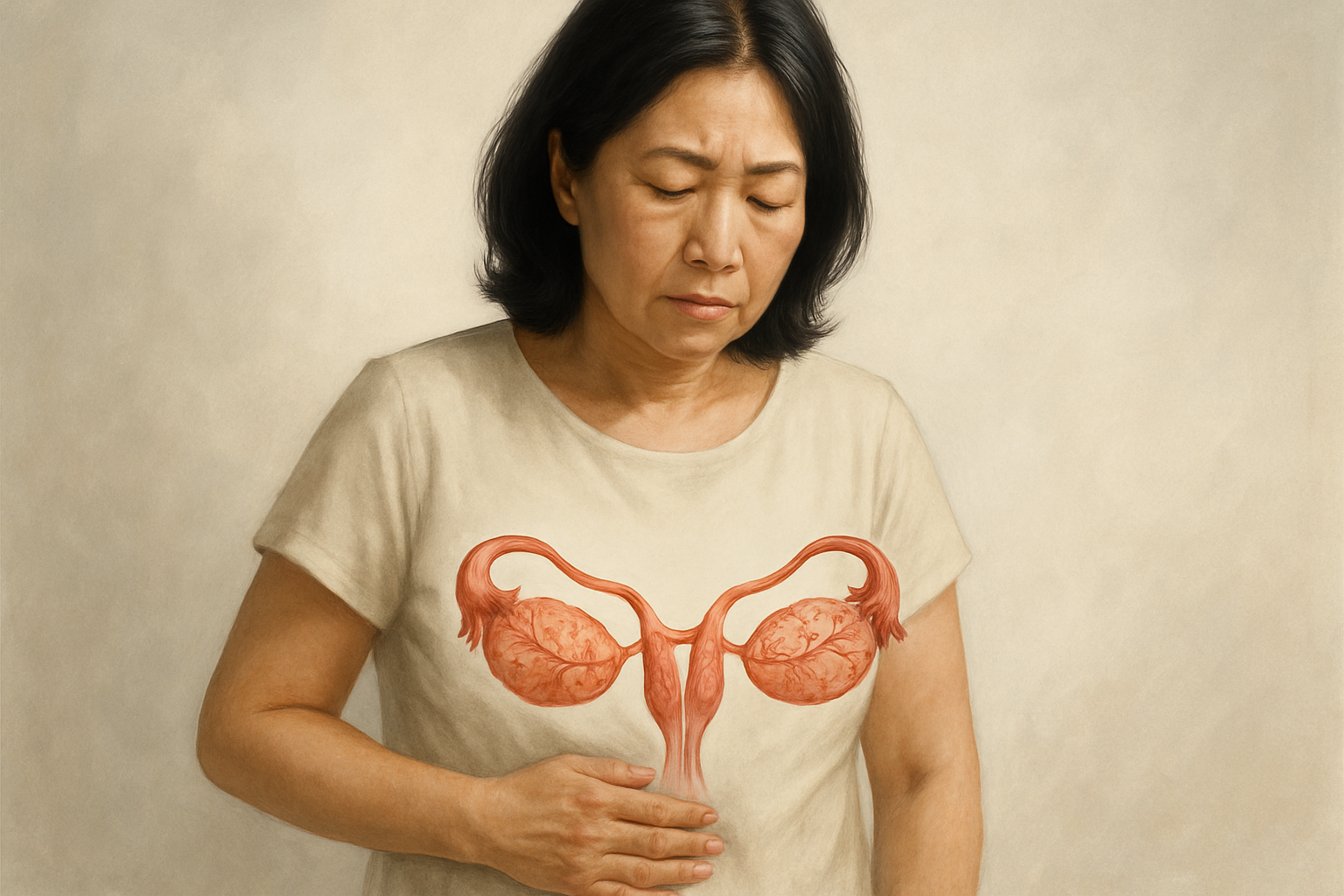
It has long been thought that ovaries stop functioning soon after menopause, but new research challenges this assumption. A recent study of ovarian tissue from 28 women found that ovaries remain biologically active for many years after menopause.
What the Study Found
Scientists at Northwestern University and the Buck Institute for Research on Aging examined ovaries from women who were decades past menopause. They discovered that the ovaries continue to undergo remodeling as they age. This remodeling involves changes in tissue structure and increased signs of inflammation.
The study also identified molecular changes in the aging ovaries that are linked to the process of ovarian aging and may help explain increased ovarian cancer risk later in life.
Evidence and Limitations
- The findings are based on laboratory analysis of ovarian tissues from a modest number of women (28), providing direct insight into biological changes within the ovary after menopause.
- While the study shows continued biological activity in the ovary, it does not prove that these changes cause ovarian cancer, only that there is a molecular link between aging ovaries and cancer-related processes.
- The research focuses on tissue-level changes and molecular markers but does not demonstrate effects on overall health or symptoms experienced by women.
- The study’s participants represent a specific population sample, and findings may not apply universally.
Possible Implications
This research suggests the postmenopausal ovary is more dynamic than previously understood. Understanding how ovaries change with age and their role in inflammation and tissue remodeling could offer new directions for studying ovarian cancer development.
However, more research is needed to clarify how these biological changes affect women's health and whether they could lead to new prevention or treatment strategies.
Source: Medical Xpress
Paste the copied caption into your Instagram post. Caption links are not clickable; add the article URL to a Story link sticker or your profile link.
Open Instagram