Patients engage with epilepsy monitor in real time, improving seizure detection
A new AI-based system allows epilepsy patients to interact directly with their monitoring devices through a smartphone app, leading to more accurate seizure detection and fewer false alarms.
Paste the copied caption into your Instagram post. Caption links are not clickable; add the article URL to a Story link sticker or your profile link.
Open InstagramFor information, not personal medical advice. Discuss treatment decisions with a qualified clinician.
Key takeaways
- Researchers developed an AI interface allowing epilepsy patients to interact in real time with seizure monitoring devices, improving seizure detection accuracy.
- A small clinical study showed the system reduced false alarms by about 80% through patient feedback and adaptive learning.
- Further research with larger, diverse groups is needed to confirm benefits and explore impacts on patient outcomes like seizure control or quality of life.
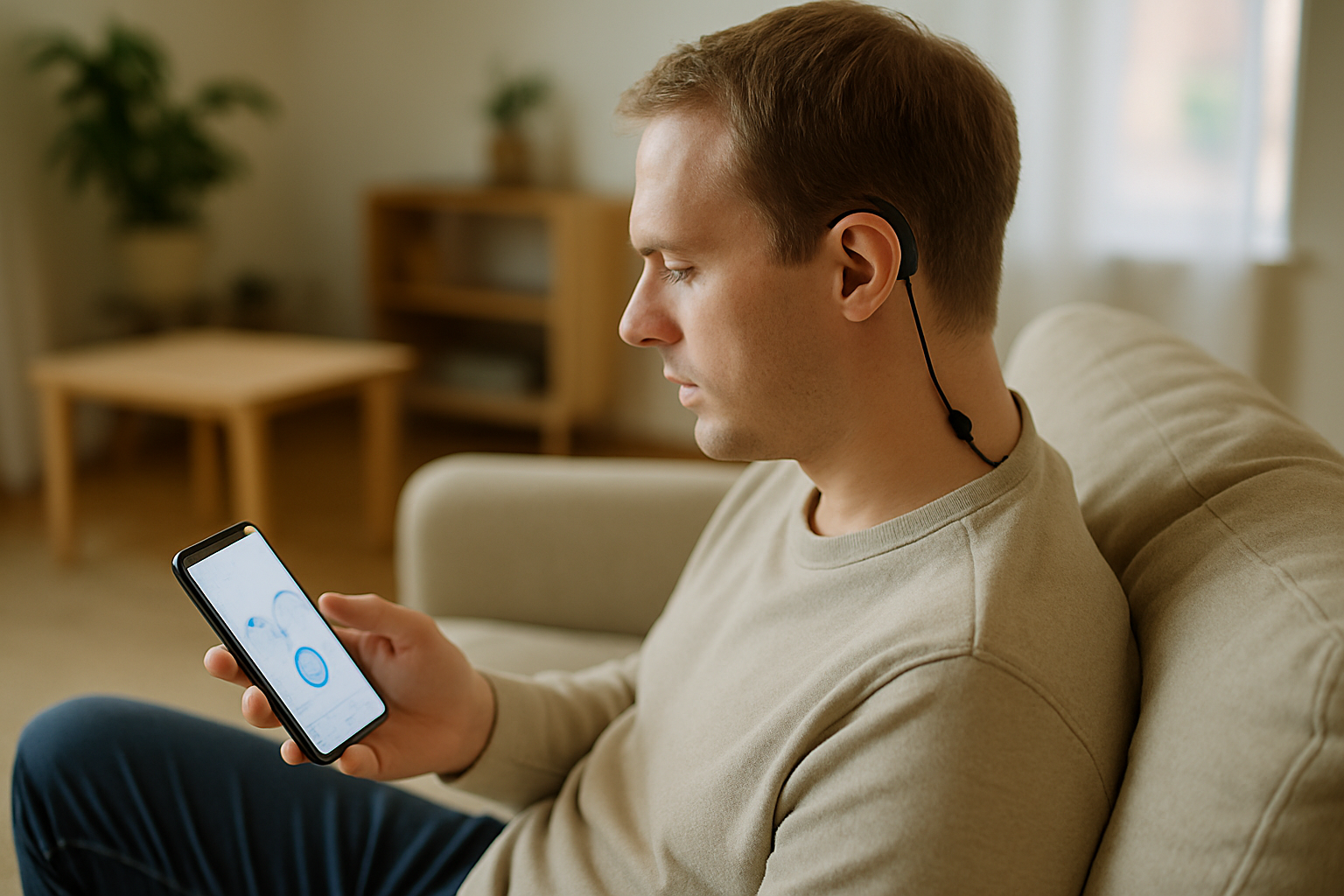
Researchers have developed an artificial intelligence (AI) interface that lets patients with epilepsy communicate in real time with their seizure monitoring devices. This innovation was tested in a small clinical study at the University of Pennsylvania, where patients used a smartphone application to ask questions about their own physiological data.
The system responded accurately to patient queries and, importantly, adapted based on the patients' feedback. This interactive process helped improve the AI's ability to detect seizures, notably reducing false alarms by approximately 80%.
What the research involved
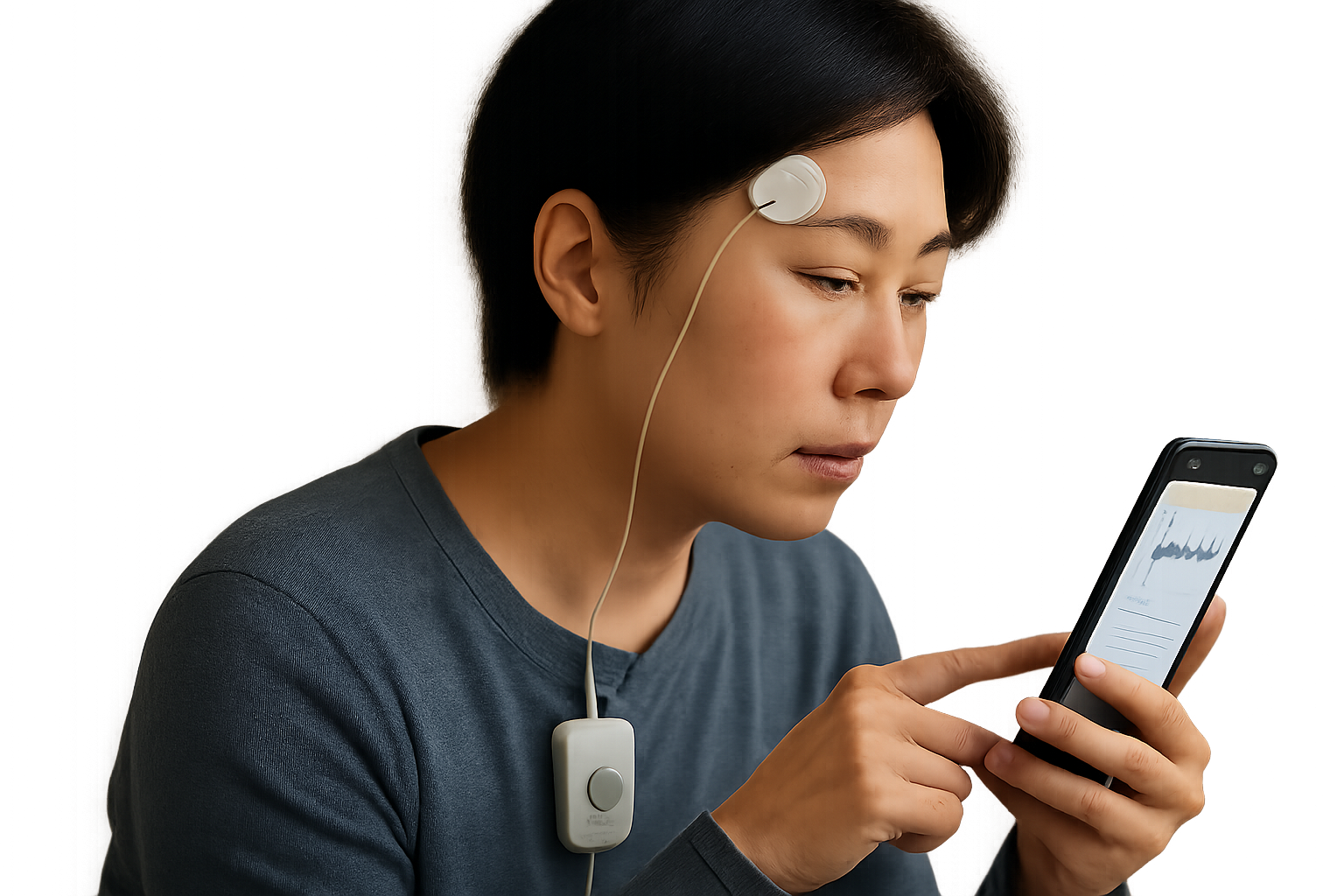
The study focused on creating a two-way communication system enabling patients to engage with their epilepsy monitoring devices. By allowing patients to verify and comment on the AI's assessment of their physiological signals, the system continuously learned and refined its detection capabilities. The work was published in Nature Medicine.
Limitations and next steps
The findings come from a small clinical study, meaning the results need to be confirmed in larger and more diverse patient groups. Also, while false alarms were significantly reduced, details on how this impacted actual patient outcomes, such as seizure control or quality of life, were not reported. Additional research will be necessary to understand the full benefits and potential challenges of integrating this technology into everyday epilepsy care.
Potential implications
If confirmed in further studies, this approach could help reduce the burden of false alarms that often complicate epilepsy monitoring. More accurate seizure detection may assist patients and healthcare providers in managing the condition more effectively. Engaging patients directly with their monitoring devices also represents a step forward in personalized healthcare technology.
Source: Medical Xpress
Paste the copied caption into your Instagram post. Caption links are not clickable; add the article URL to a Story link sticker or your profile link.
Open Instagram