Potassium binder may ease the burden of dietary potassium restriction in people on dialysis
A new clinical trial suggests that the potassium binder sodium zirconium cyclosilicate (SZC) could help people on maintenance hemodialysis manage their potassium levels with less strict dietary restrictions.
Paste the copied caption into your Instagram post. Caption links are not clickable; add the article URL to a Story link sticker or your profile link.
Open InstagramFor information, not personal medical advice. Discuss treatment decisions with a qualified clinician.
Key takeaways
- A clinical trial suggests sodium zirconium cyclosilicate (SZC) may help control potassium levels in people on hemodialysis, potentially easing strict dietary potassium restrictions.
- SZC works by binding potassium in the gut to reduce blood potassium levels, which could improve dietary flexibility for dialysis patients.
- Full details on the trial, including size, duration, patient outcomes, and potential side effects of SZC, have not yet been published.

People undergoing maintenance hemodialysis often need to limit potassium intake to control hyperkalemia, a condition of high blood potassium levels. This dietary restriction is important because high potassium can cause dangerous heart problems, but it also creates a significant daily challenge and reduces quality of life.
What the study found
A recent clinical trial explored whether sodium zirconium cyclosilicate (SZC), a potassium-binding medication, might help ease this dietary burden. The results, which will be presented at ASN Kidney Week 2026, suggest that adding SZC can help control potassium levels, potentially allowing patients more flexibility in their diet.
Understanding the evidence
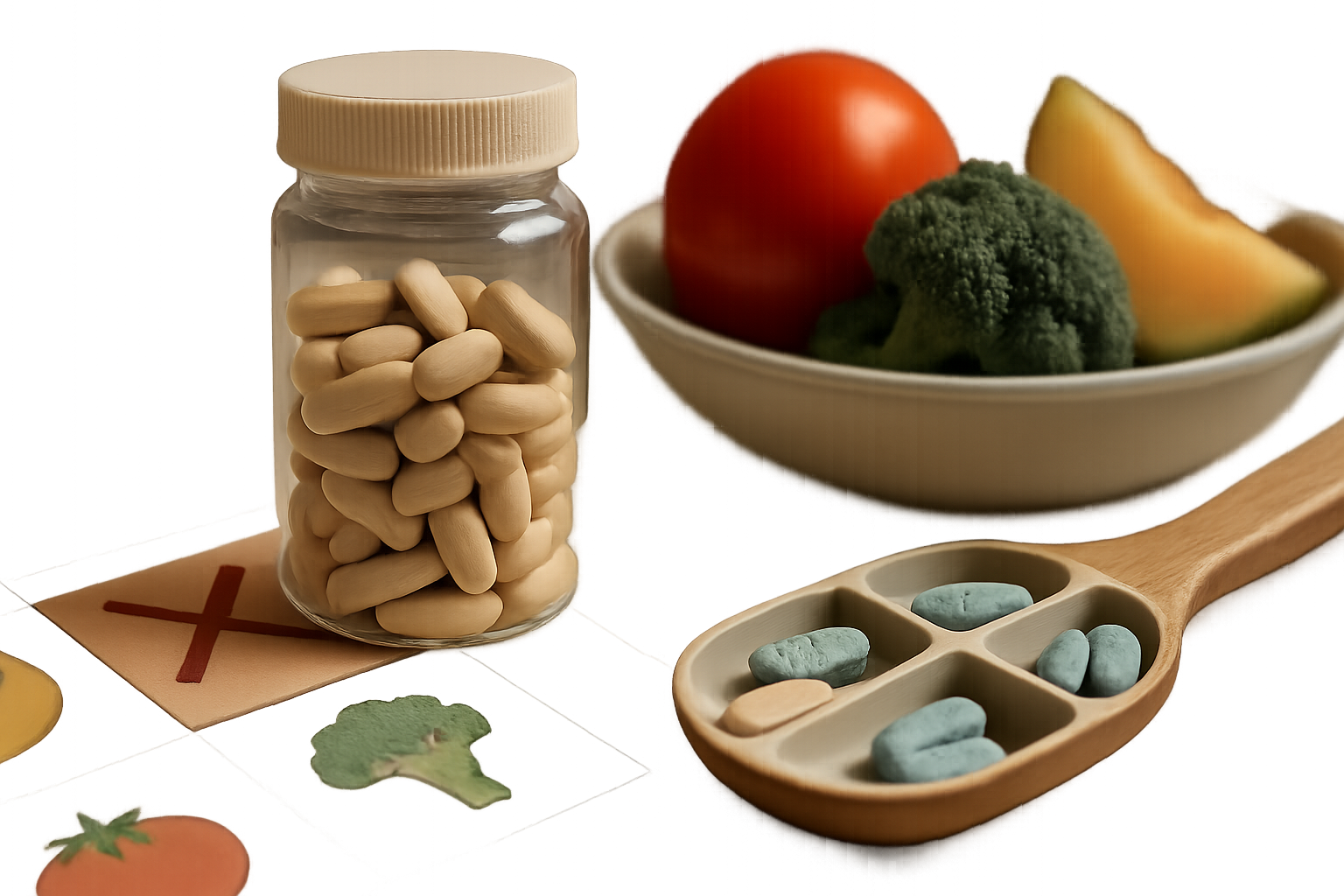
This is based on human clinical trial data, showing that SZC binds potassium in the gut and helps reduce blood potassium levels. By lowering potassium this way, SZC may reduce the need for very strict dietary potassium restrictions in patients on hemodialysis.
Limitations and uncertainties
While these findings are promising, the full clinical details—such as the size and duration of the trial or how much dietary flexibility was gained—have not yet been published. Importantly, the impact on patient-centered outcomes like quality of life or long-term heart health remains to be confirmed. Potential side effects or risks of SZC use in this population also need further clarification.
Possible implications
If further research supports these results, adding SZC to treatment could reduce the daily dietary restrictions and improve life for many people on dialysis. However, decisions about treatment changes should await full published evidence and regulatory guidance.
Source: Medical Xpress
Paste the copied caption into your Instagram post. Caption links are not clickable; add the article URL to a Story link sticker or your profile link.
Open Instagram