Prime Editing Repairs Genetic Defect in Blood Stem Cells for Immune Disorder
Researchers at Aarhus University have used prime editing technology to correct a genetic defect in blood stem cells from patients with GATA2 deficiency, a condition that impairs immune system function. This approach directly repairs the mutation responsible for low immune cell production, potentially addressing the root cause of the disease.
Paste the copied caption into your Instagram post. Caption links are not clickable; add the article URL to a Story link sticker or your profile link.
Open InstagramFor information, not personal medical advice. Discuss treatment decisions with a qualified clinician.
Key takeaways
- GATA2 deficiency is a rare genetic disorder that impairs immune cell production, leading to a weakened immune system and higher infection risk.
- Researchers used prime editing to repair GATA2 mutations in patient-derived blood stem cells in the lab, potentially correcting the root cause of the disorder.
- Clinical trials are needed to confirm safety, effectiveness, and long-term function of prime edited stem cells before such treatments can be offered to patients.
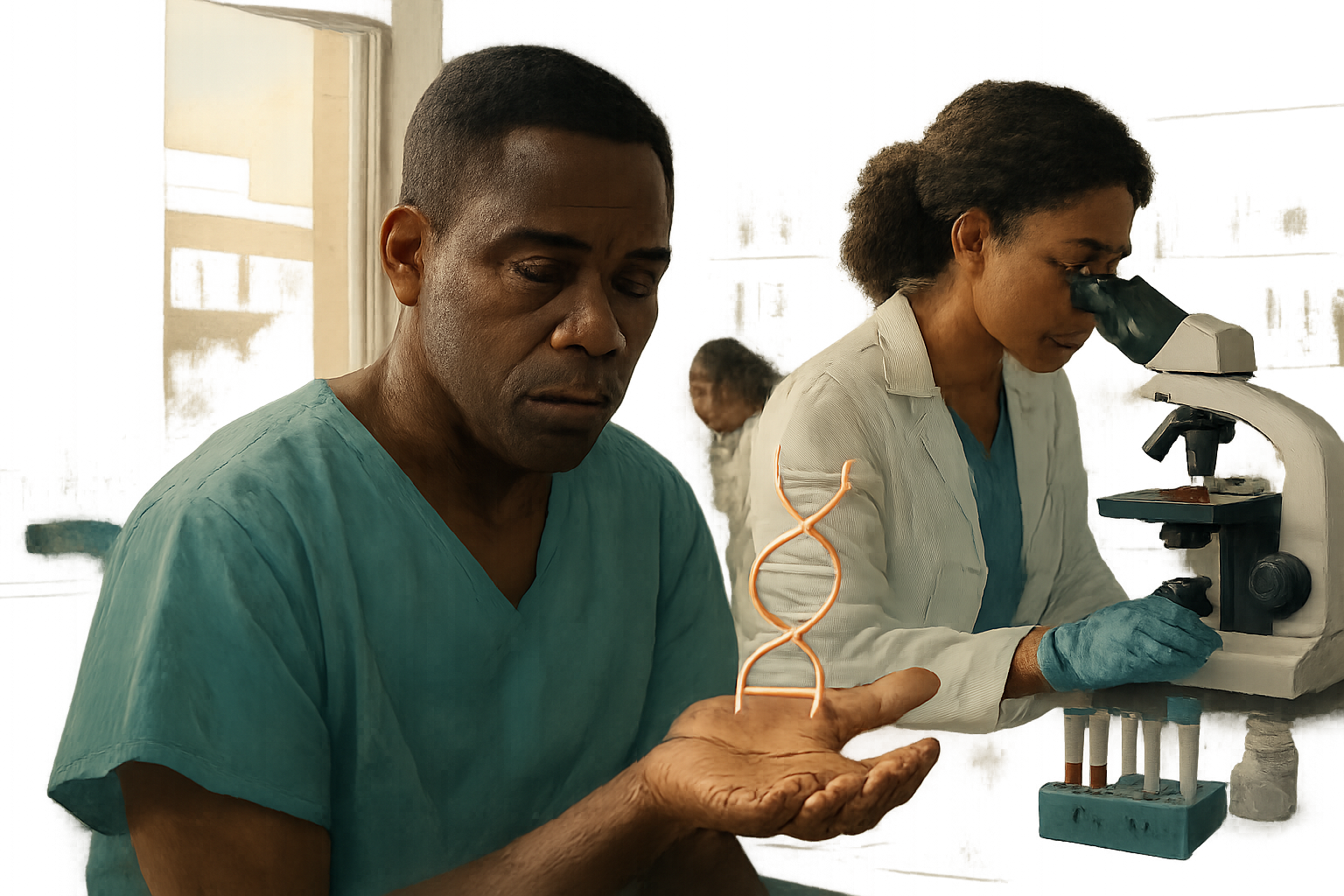
What is GATA2 Deficiency?
GATA2 deficiency is a rare genetic disorder where mutations in the GATA2 gene reduce the body's ability to produce enough immune cells. This leads to a weakened immune system, increasing the risk of infections and other complications.
The New Research Finding
Scientists at Aarhus University have applied a gene editing technique called prime editing to blood stem cells taken from patients with GATA2 deficiency. Prime editing is a newer gene editing method that can precisely correct mutations in DNA without making double-strand breaks.
In laboratory experiments, the researchers were able to repair the genetic defect within the patients' own blood stem cells. These corrected stem cells could potentially produce healthy immune cells, addressing the fundamental cause of the disorder.
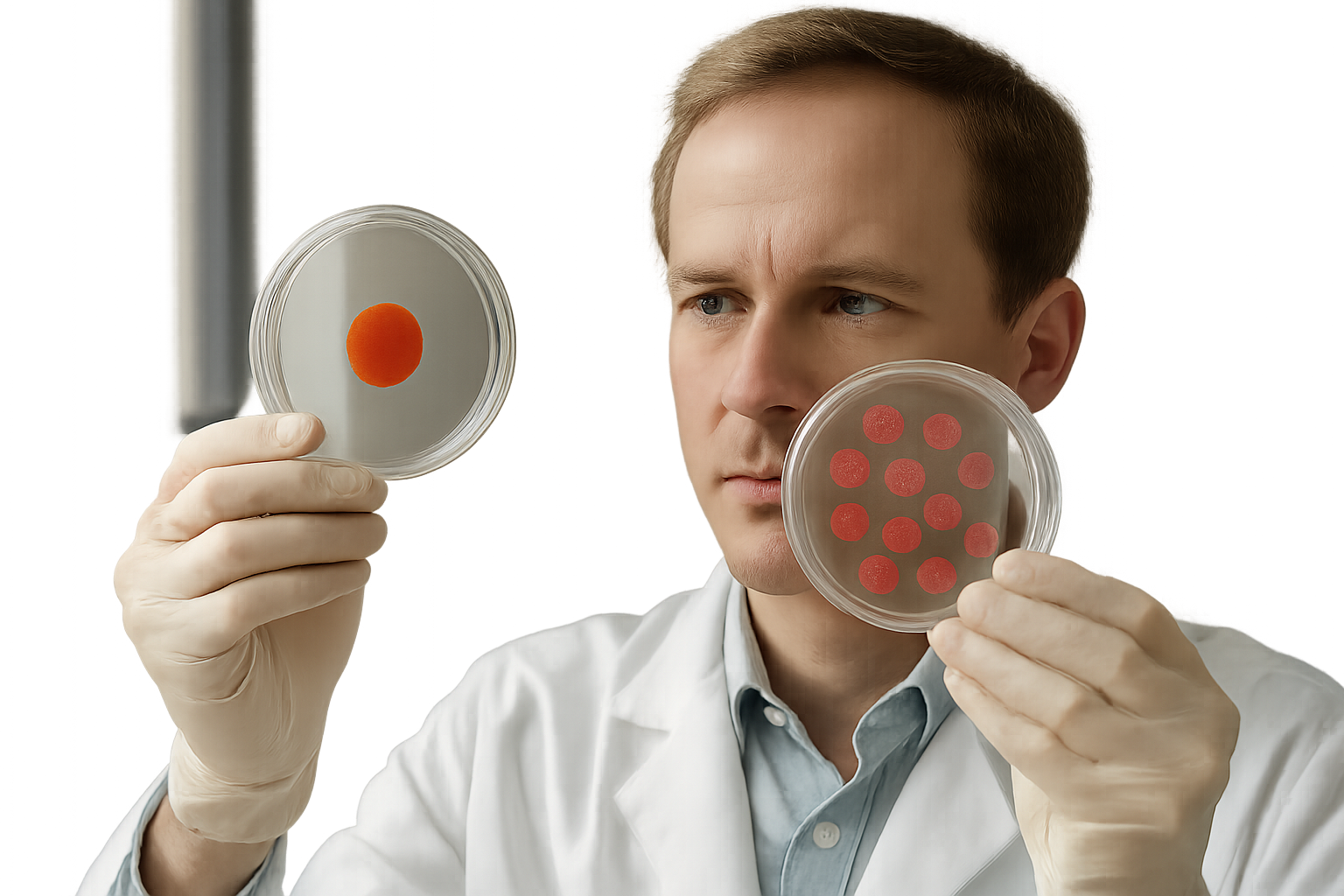
Evidence and Current Limitations
This research currently comes from laboratory work editing patient-derived cells outside the body. While this shows promise in correcting the disease-causing mutation, there is no information yet on clinical trials in humans to confirm the safety and effectiveness of this approach in patients.
It is also not yet clear how well repaired stem cells would survive, multiply, and function long term after being returned to the patient. Further research is needed to determine if prime editing can provide lasting patient benefits and avoid unintended effects.
Potential Implications
If future studies confirm safety and efficacy, prime editing of a patient's own blood stem cells could offer a personalized treatment for GATA2 deficiency that addresses the root genetic cause rather than managing symptoms.
However, this research is still in early stages, and such therapies are not yet available for clinical use. Regulatory approvals and rigorous testing will be required before any prime editing treatment can become an option for patients.
Source: Medical Xpress
Paste the copied caption into your Instagram post. Caption links are not clickable; add the article URL to a Story link sticker or your profile link.
Open Instagram