Rewilding urban home yards may benefit human microbiome and inflammatory response in just three months
Reducing yard maintenance to increase natural plant diversity may enhance exposure to environmental microbes, potentially supporting immune health by improving human microbiome diversity and lowering inflammation within a few months.
Paste the copied caption into your Instagram post. Caption links are not clickable; add the article URL to a Story link sticker or your profile link.
Open InstagramFor information, not personal medical advice. Discuss treatment decisions with a qualified clinician.
Key takeaways
- Rewilding urban yards by reducing gardening and chemical use boosts exposure to native plants and soil microbes, potentially enriching the human microbiome.
- Increased microbial diversity in home environments may influence immune responses and inflammatory markers within three months, though evidence is still emerging.
- Current research is limited by small study sizes, short durations, and lack of demonstrated causality; long-term impacts and optimal rewilding levels remain uncertain.
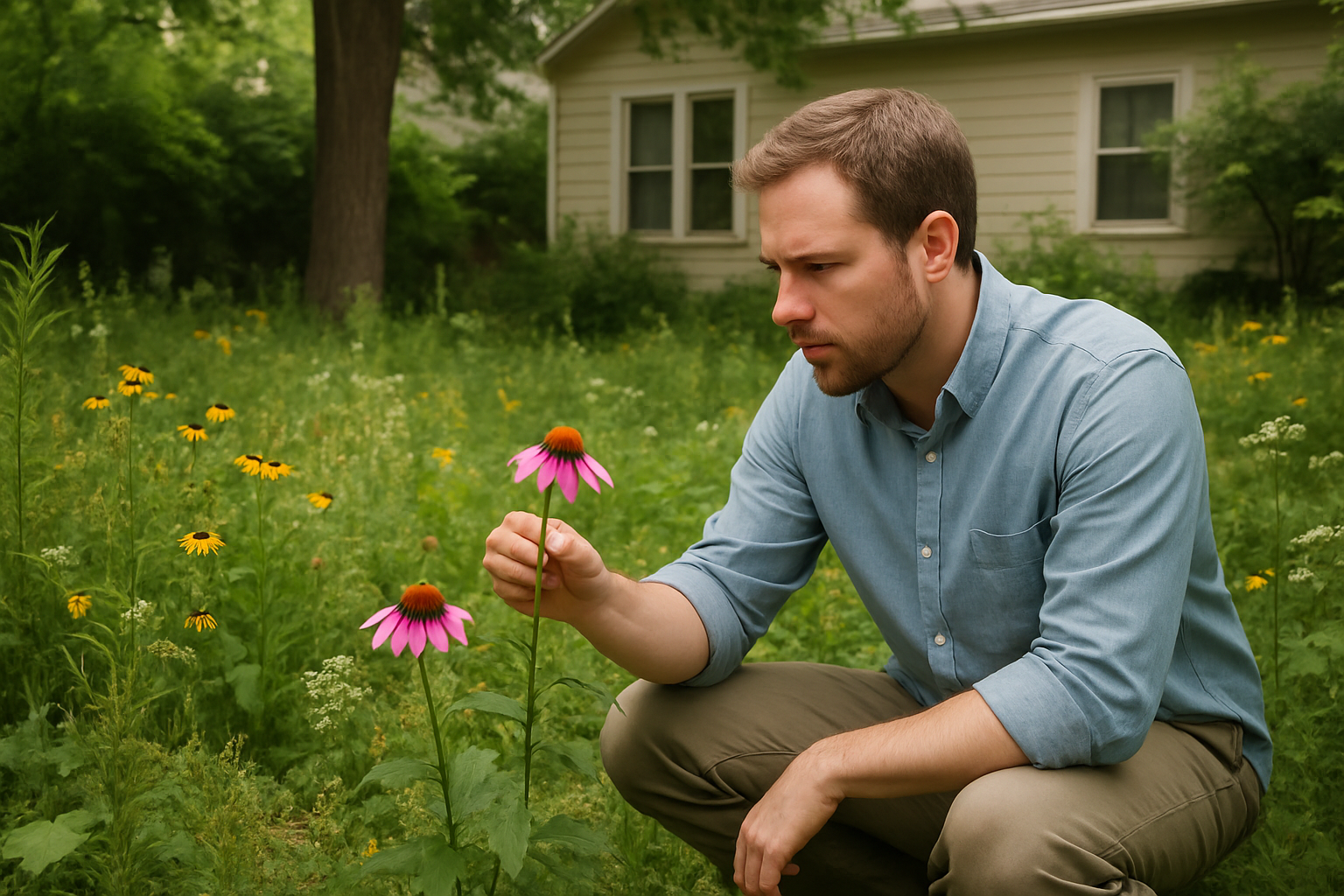
Modern urban lifestyles have led to significant loss of natural biodiversity in home environments, limiting human exposure to diverse environmental microbes. Scientists believe this reduced contact may contribute to the rise of immune-related conditions such as allergies, asthma, and type 1 diabetes.
What is rewilding?
Rewilding urban yards means deliberately allowing native plants and natural soil microbes to flourish by decreasing frequent gardening and chemical use. This increases the variety of microbes people come into contact with at home.
Evidence supporting benefits
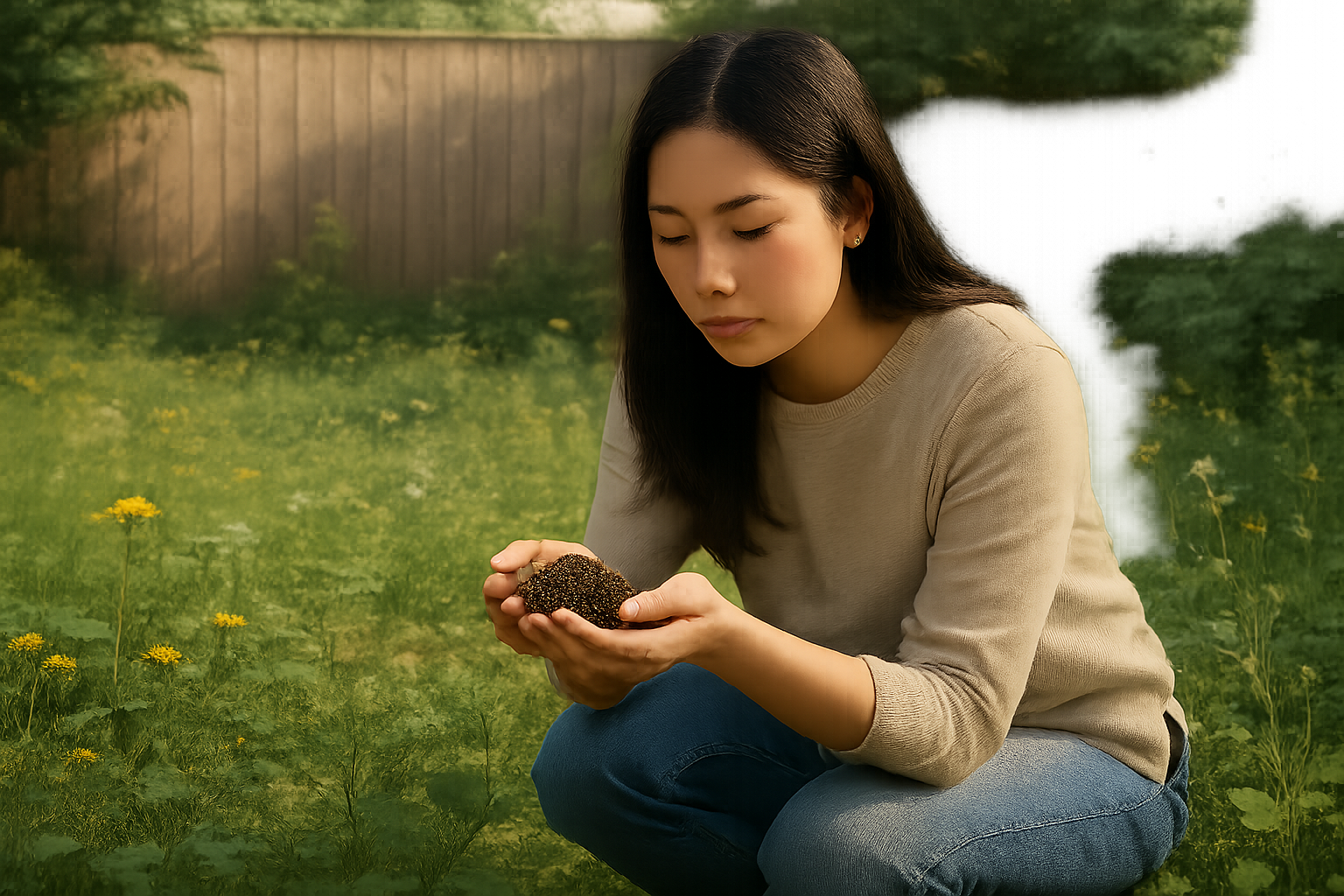
Studies suggest that increasing microbial diversity in living spaces can positively influence the human microbiome—the collection of microbes living on and in our bodies—and modulate immune responses. Some research has reported changes in inflammatory markers and microbiome composition after short periods of increased exposure to natural environments.
Limitations and uncertainties
While initial findings indicate benefits within as little as three months, most evidence comes from a small number of studies with limited participants and short follow-up times. It remains unclear how lasting these effects are and how much rewilding is needed. Also, studies to date mostly show correlations rather than direct cause-effect relationships.
More rigorous, long-term human studies are needed to verify how rewilding impacts specific immune-mediated diseases or overall health outcomes.
Implications for urban residents
Allowing parts of urban yards to naturalize might be a simple step to promote microbial diversity exposure. However, individuals should consider local environmental and allergy factors. This approach is not a treatment but a potential way to support immune system regulation.
Source: Medical Xpress
Paste the copied caption into your Instagram post. Caption links are not clickable; add the article URL to a Story link sticker or your profile link.
Open Instagram