Scientists discover a hidden immune weapon against deadly lung cancer
Researchers have found specialized immune cells that can identify and kill small cell lung cancer cells, even when these cancer cells evade typical immune detection.
Paste the copied caption into your Instagram post. Caption links are not clickable; add the article URL to a Story link sticker or your profile link.
Open InstagramFor information, not personal medical advice. Discuss treatment decisions with a qualified clinician.
Key takeaways
- Scientists have identified a specialized group of immune cells capable of recognizing and attacking small cell lung cancer cells despite the cancer’s immune evasion.
- The discovery is based on laboratory research showing these immune cells target cancer cells more effectively than typical cancer defense cells, but clinical trial confirmation is still pending.
- This finding could potentially lead to new immunotherapy approaches against small cell lung cancer, though no approved treatments or proven patient benefits exist yet.
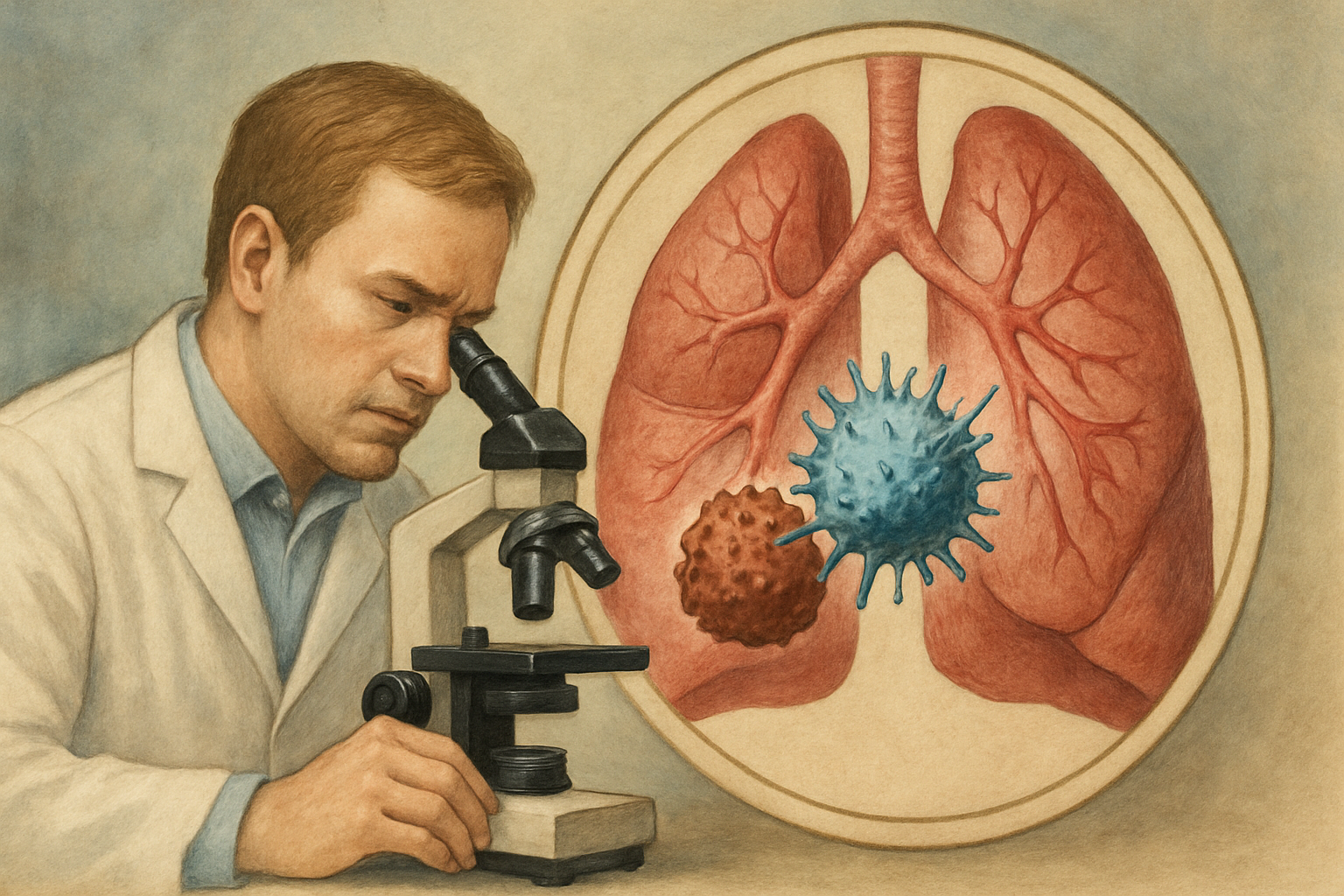
Small cell lung cancer is a highly aggressive form of lung cancer known for its ability to evade the immune system and resist many conventional treatments. Recent research has uncovered a previously hidden immune defense mechanism that could offer new hope in fighting this disease.
The Discovery
Scientists identified a specific group of immune cells that are capable of recognizing and attacking small cell lung cancer cells, despite the cancer’s attempts to disguise itself from immune detection. These specialized immune cells can detect subtle signals on the cancer cells that other immune cells might miss.

Evidence Behind the Finding
This discovery is based on laboratory research where immune cells were studied for their interactions with cancer cells. The researchers observed that these particular immune cells could target cancer cells more effectively than the immune cells typically involved in cancer defense. However, it is important to note that this evidence primarily comes from controlled laboratory environments.
Limitations and Unknowns
While the laboratory findings are promising, this discovery has not yet been confirmed in human clinical trials. It is uncertain how these immune cells behave in the complex environment of the human body, or whether they can be leveraged safely and effectively in treatments. There is no current evidence that this discovery has led to approved therapies or that it can improve patient outcomes at this time.
Potential Implications
If future research confirms and harnesses this immune response, it could lead to new immunotherapy strategies against small cell lung cancer. These strategies might improve how the immune system fights tumors that currently avoid immune attack. Nonetheless, patients and readers should understand that these findings are early and primarily a step toward understanding possible treatment approaches rather than an immediate option.
Source: ScienceDaily Medical
Paste the copied caption into your Instagram post. Caption links are not clickable; add the article URL to a Story link sticker or your profile link.
Open Instagram