Scientists discover a natural compound that could protect the brain from too much salt
A soy-derived compound called LPC70 may help reduce brain and behavioral harm from a high-salt diet, according to new research in mice.
Paste the copied caption into your Instagram post. Caption links are not clickable; add the article URL to a Story link sticker or your profile link.
Open InstagramFor information, not personal medical advice. Discuss treatment decisions with a qualified clinician.
Key takeaways
- Researchers discovered a natural soy-derived compound, LPC70, that in mice on a high-salt diet lowered blood pressure and improved memory and social behaviour compared to excess salt alone.
- The evidence is from a controlled animal study only; LPC70’s effects in humans consuming high salt are unknown, as are safe and effective doses.
- Study limitations include the animal model, surrogate outcome measures, and no data on long-term benefits or risks of LPC70.
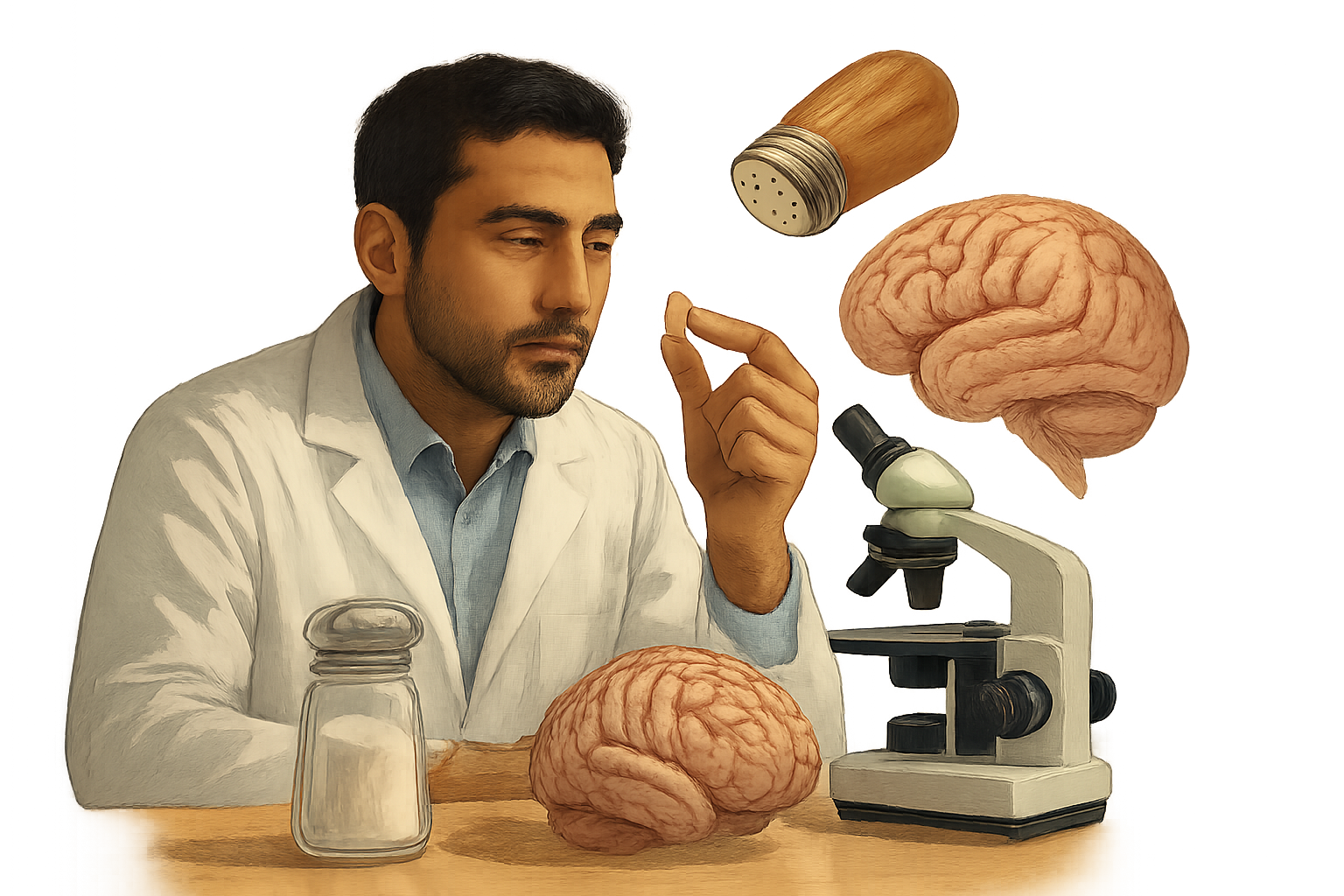
Eating too much salt is widely known to raise blood pressure, but new animal research suggests it could also negatively impact memory and social behavior.
What the study found
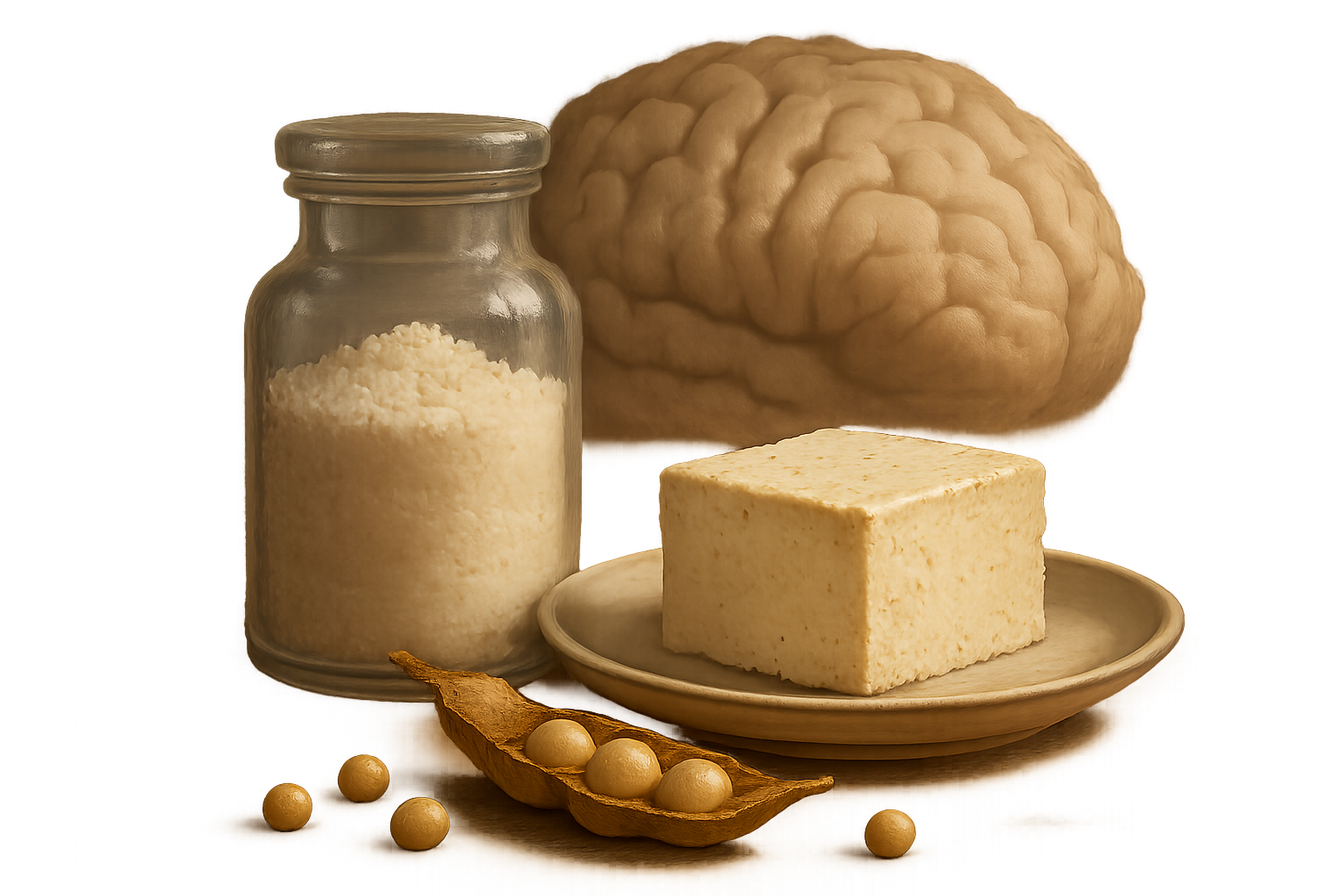
Researchers in Japan investigated a natural compound derived from soy named LPC70. They studied its effects in mice fed a high-salt diet. Compared with mice consuming excess salt alone, those given LPC70 had lower blood pressure, better memory performance, and improved social interactions.
The scientific evidence
This evidence comes solely from a controlled study in mice. The animals were given LPC70 alongside a salt-rich diet, and their blood pressure, cognitive abilities, and social behavior were compared to mice without LPC70. The findings suggest LPC70 may counteract some negative effects of high salt intake on the brain and behavior in this animal model.
Limitations and what we don’t know
There are important limitations. This study was done in mice, not humans. Animal results often do not directly apply to people due to biological differences. We do not know if LPC70 would have the same protective effects in humans consuming high salt, nor what doses would be effective or safe. The study did not address long-term outcomes or potential harms from LPC70 itself.
Additionally, while the compound appeared to reduce blood pressure and improve memory and social behavior in mice, these are surrogate measures. How this translates to real-world health benefits, like reducing stroke risk or dementia, is unclear.
Possible implications
If further research confirms LPC70’s effects in humans, it could become a dietary supplement strategy to help mitigate some harms of excess salt consumption. However, reducing overall salt intake remains the primary recommendation to protect brain and cardiovascular health.
Source: ScienceDaily Medical
Paste the copied caption into your Instagram post. Caption links are not clickable; add the article URL to a Story link sticker or your profile link.
Open Instagram