Scientists discover a surprising danger in smaller cancer cells
New research shows that very small cancer cells with extra chromosomes may grow faster and resist treatment, potentially making some tumors more aggressive.
Paste the copied caption into your Instagram post. Caption links are not clickable; add the article URL to a Story link sticker or your profile link.
Open InstagramFor information, not personal medical advice. Discuss treatment decisions with a qualified clinician.
Key takeaways
- Scientists found that smaller cancer cells with extra chromosomes grow faster, spread more easily, and resist common treatments more than larger cancer cells.
- This challenges the belief that larger cancer cells are always more dangerous, suggesting tiny cells with extra genetic material may drive tumour growth and treatment resistance.
- Research specifics such as study type, cancer types involved, and mechanisms behind increased aggressiveness remain unclear and need further investigation.
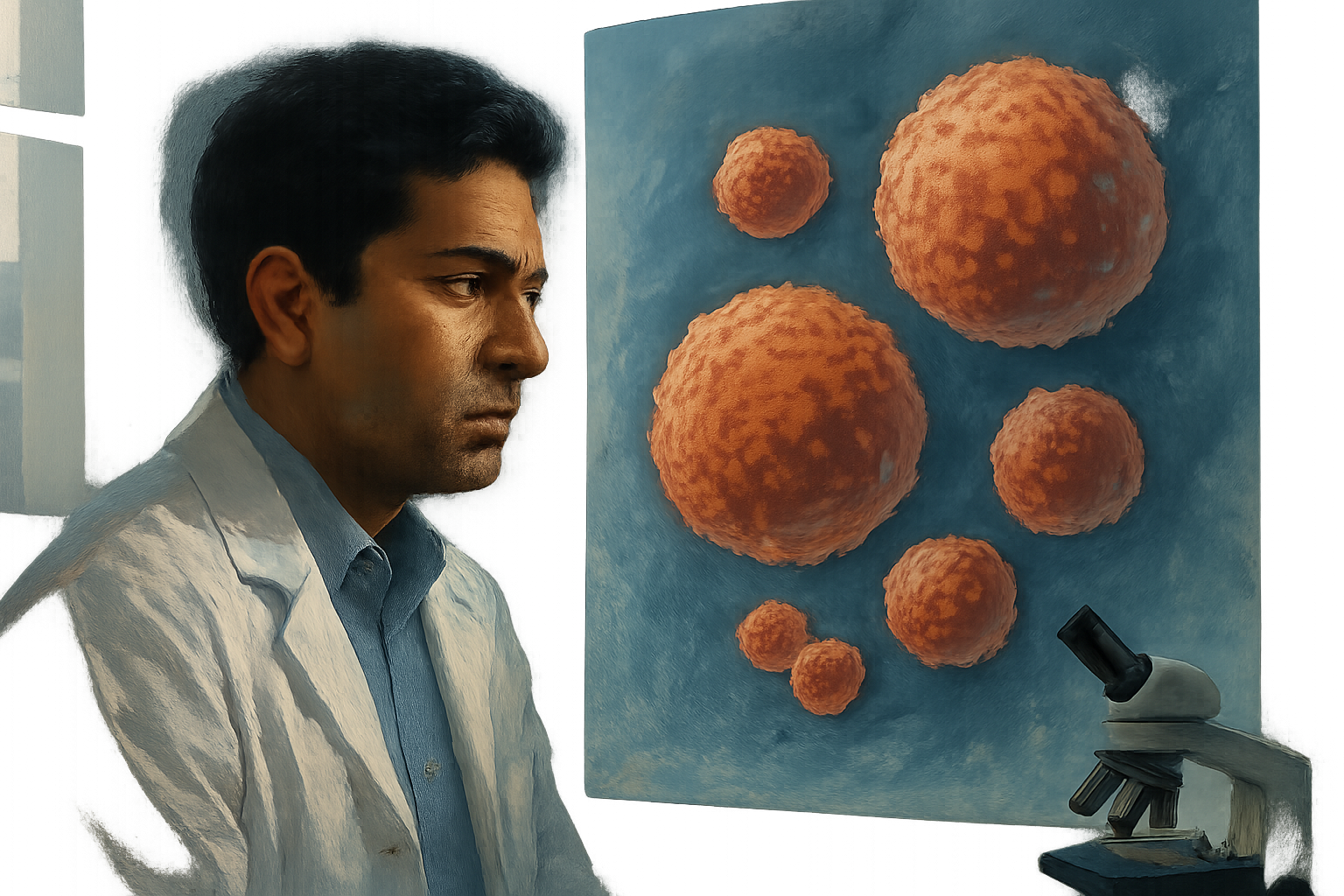
Scientists have found that unusually small cancer cells, which contain extra chromosomes, can be more aggressive than their larger counterparts. These smaller cancer cells tend to grow faster, spread more easily within the body, and resist common cancer treatments.
What the Finding Means
This discovery challenges the assumption that bigger cancer cells are always the more dangerous ones. Instead, tiny cancer cells with extra genetic material might drive tumor growth and treatment resistance, which could explain why some cancers are especially hard to control.
The Evidence
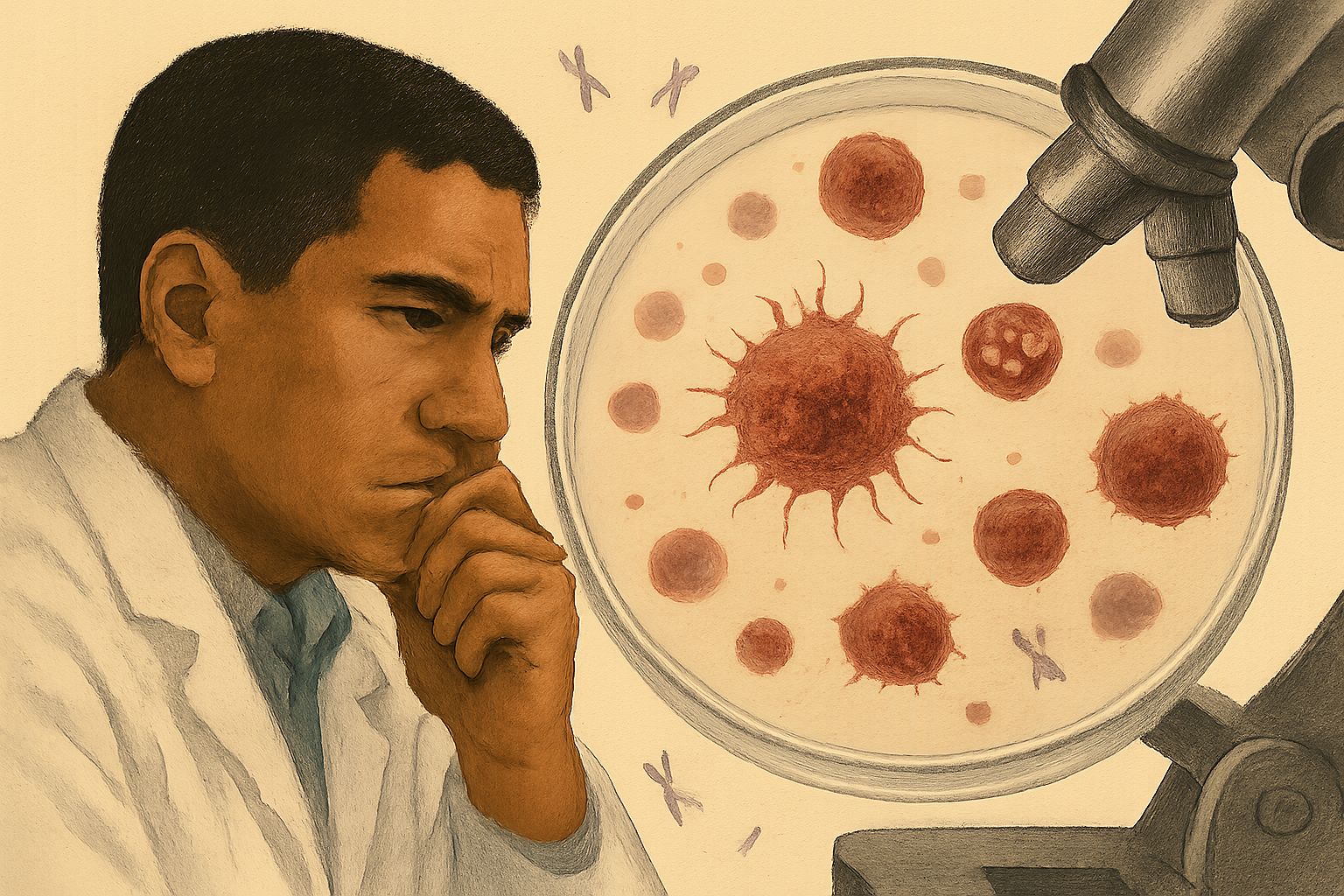
The research observed the behavior of cancer cells with extra chromosomes, focusing on their size and aggressiveness. Smaller cells with extra chromosomes demonstrated faster growth rates and a higher capability to spread compared to larger cancer cells. They also showed resistance to treatments frequently used in cancer care.
Limitations and Unknowns
Details about the studies—such as whether these findings come from laboratory experiments, animal studies, or human clinical data—are not specified here. It is also unclear which cancer types were studied and how this discovery might translate to different kinds of tumors. The exact mechanisms causing the increased aggressiveness remain to be fully understood.
Possible Implications
If further research confirms these findings, testing for the presence of small cancer cells with extra chromosomes might help predict a patient’s cancer progression and response to treatment. This could lead to the development of more personalized therapies targeting these more dangerous cells.
Source: ScienceDaily Medical
Paste the copied caption into your Instagram post. Caption links are not clickable; add the article URL to a Story link sticker or your profile link.
Open Instagram